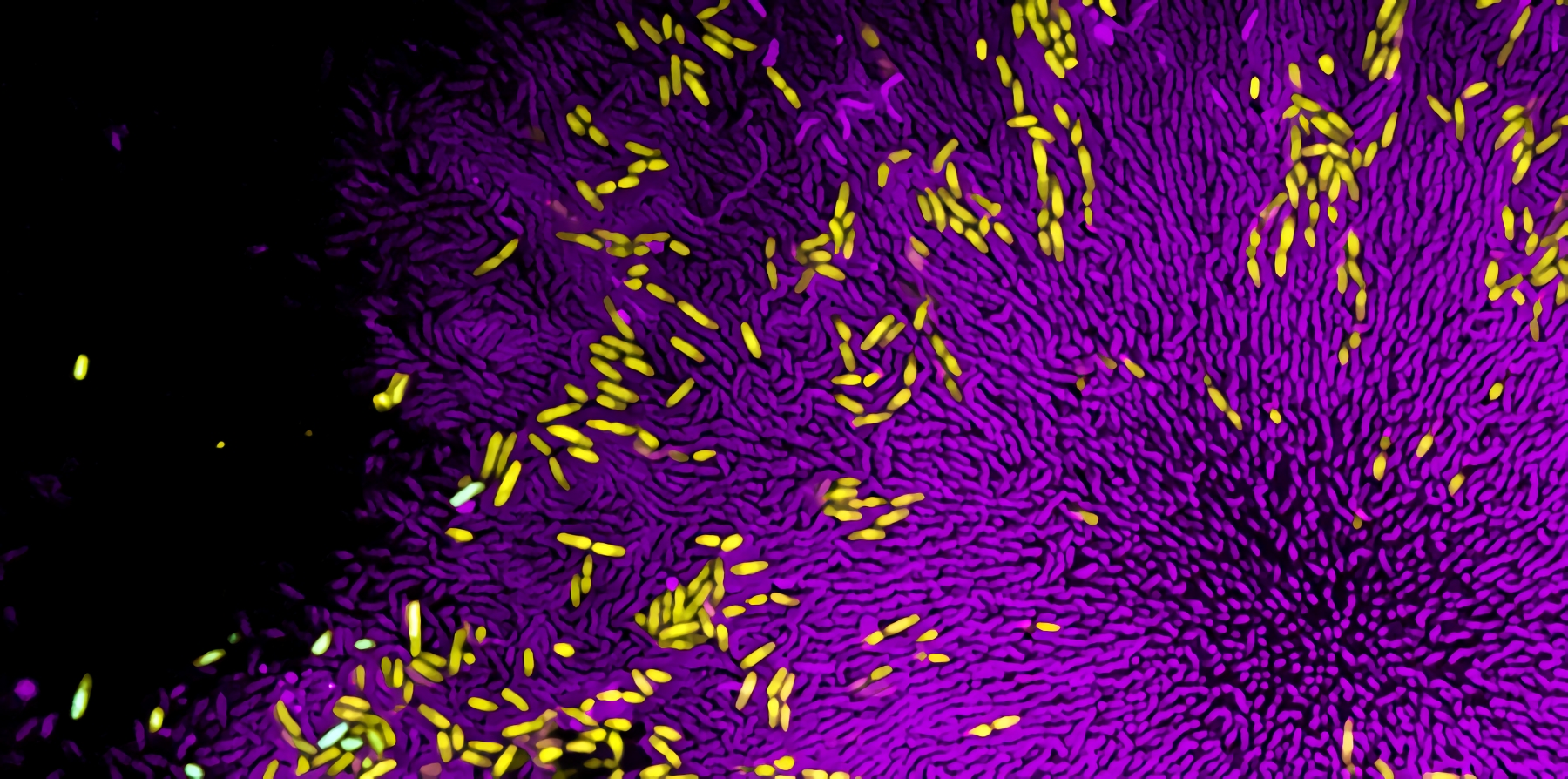
Image Credit: Scientific Frontline / stock image
Scientific Frontline: Extended "At a Glance" Summary: Bacteriophage Therapy Modeling
The Core Concept: A mathematical modeling approach used to optimize the composition, diversity, and timing of bacteriophage cocktails for treating drug-resistant bacterial infections.
Key Distinction/Mechanism: Unlike broad-spectrum antibiotics, bacteriophages are viruses that target, infect, and replicate inside specific bacteria. The therapy succeeds by administering a highly diverse phage cocktail immediately, which creates a high genetic barrier that prevents the bacteria from rapidly mutating and evolving resistance.
Major Frameworks/Components:
- Pretreatment Resistance Level: The baseline resistance of the target bacteria before therapy begins.
- Cocktail Diversity: The inclusion of multiple, distinct phage strains to overwhelm the bacteria's evolutionary defenses.
- Delivery Timing: The protocol of administering the full suite of phages immediately to "hit the bacteria hard and early."
- Dynamic Population Modeling: Simulating the evolutionary arms race between viral infection rates and bacterial mutation.


.jpg)

.jpg)


.jpg)
.jpg)