
 |
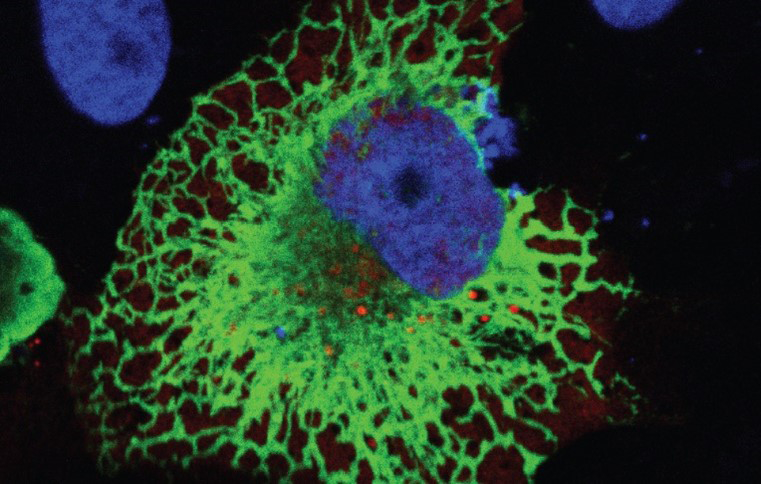
| ORNL scientists mutated amino acids in a receptor protein, shown in green, which diminished interaction with the SARS-CoV-2 virus spike protein, shown in red. Mutating the receptor protein hampered the virus’s ability to infect host cells. Image Credit: ORNL, U.S. Dept. of Energy |
Oak Ridge National Laboratory scientists exploring bioenergy plant genetics have made a surprising discovery: a protein domain that could lead to new COVID-19 treatments.
Researchers found the same plasminogen-apple-nematode, or PAN, domain studied by ORNL in plants like poplar and willow is also present in the human NRP1 receptor protein. NRP1 is less studied than the ACE-2 receptor targeted by current COVID-19 treatments, but this research shows its promise as a future therapeutic target.
By mutating amino acids called cysteine residues in the PAN domain of NRP1, researchers disrupted the ability of the SARS-CoV-2 virus to use its spike protein to invade cells, as described in iScience. ORNL scientists have also linked PAN to the growth of cancerous tumors.
.jpg)

.jpg)

.jpg)
.jpg)


.png)


.jpg)