. Scientific Frontline

Tuesday, January 4, 2022

Measurements of trees’ impact on 5G transmissions could prove vital to using a new class of signal.

NIST researchers studied the effects of trees on millimeter waves,
which are planned for use in 5G communication. 
Credit: N. Hanacek/NIST
As 5G technology gets fully implemented over the next several years, cellphones and other wireless tech will grow more powerful with increased data flow and lower latency. But along with these benefits comes a question: Will your next-generation cellphone be unable to see the forest for the trees?

That’s one way to describe the problem confronting cell network designers, who have to embrace both the benefits and shortcomings of a new class of signals that 5G will use: millimeter waves. Not only can these waves carry more information than conventional transmissions do, but they also usefully occupy a portion of the broadcast spectrum that communication technologies seldom use — a major concern in an age when broadcasters vie for portions of spectrum like prospectors staking out territory.

However, millimeter waves also have drawbacks, including their limited ability to penetrate obstacles. These obstacles include buildings, but also the trees that dot the landscape. Until recently little was known about how trees affected millimeter wave propagation. And just as few of us would want to imagine a landscape without greenery, few designers would be able to plan networks around it without such a crucial fundamental detail.

The National Institute of Standards and Technology (NIST) has set out to solve this problem by measuring trees’ effect on millimeter waves. The effort could make a profound difference in our next-generation devices’ ability to see the 5G antennae that may soon sprout.

The 5G era will feature wireless communication not only between people but also between devices connected to the Internet of Things. The increased demand for larger downloads by cell customers and lag-free network response by gamers has spurred the wireless industry to pursue speedier, more effective communication. Not only could our current devices and services work more effectively, but we could realize new ones: Autonomous vehicles will depend on such quick network response to function.

Resolving the black hole ‘fuzzball or wormhole’ debate

Black holes really are giant fuzzballs, a new study says.

The study attempts to put to rest the debate over Stephen Hawking’s famous information paradox, the problem created by Hawking’s conclusion that any data that enters a black hole can never leave. This conclusion accorded with the laws of thermodynamics, but opposed the fundamental laws of quantum mechanics.

“What we found from string theory is that all the mass of a black hole is not getting sucked in to the center,” said Samir Mathur, lead author of the study and professor of physics at The Ohio State University. “The black hole tries to squeeze things to a point, but then the particles get stretched into these strings, and the strings start to stretch and expand and it becomes this fuzzball that expands to fill up the entirety of the black hole.”

The study, published Dec. 28 in the Turkish Journal of Physics, found that string theory almost certainly holds the answer to Hawking’s paradox, as the paper’s authors had originally believed. The physicists proved theorems to show that the fuzzball theory remains the most likely solution for Hawking’s information paradox. The researchers have also published an essay showing how this work may resolve longstanding puzzles in cosmology; the essay appeared in December in the International Journal of Modern Physics.

Mathur published a study in 2004 that theorized black holes were similar to very large, very messy balls of yarn – “fuzzballs” that become larger and messier as new objects get sucked in.

Solving the disappearance of bears and lions with ancient DNA

Brown bears (or grizzly bears) mysteriously disappeared from some parts of North America for thousands of years prior to the last Ice Age and later reappeared, walking from Russia to Alaska across the Bering Land Bridge. Researchers suggest climate change could be the reason why.
Photo Credit: Vincent M.A. Janssen

An international team of researchers led by the University of Adelaide, suggest a change in climate is the likely cause of the mysterious disappearance of ancient lions and bears from parts of North America for a thousand years or more prior to the last Ice Age.

In a study in Molecular Ecology , the researchers sequenced DNA from fossils of cave lions and bears from North America and Eurasia to better understand the timing and drivers of their past movement between continents.

Co-author, Dr Kieren Mitchell from the University of Adelaide’s Australian Centre for Ancient DNA said, “There's a common perception that outside of mass extinctions or direct human interference, ecosystems tend to remain stable over thousands or even millions of years.

“As illustrated by our study of the fossil record, that's not necessarily the case.

“Previous research has shown that brown bears (or grizzly bears) disappeared from some parts of North America for thousands of years prior to the last Ice Age. They later reappeared, walking from Russia to Alaska across the Bering Land Bridge – possibly at the same time as people moved across the Bridge into North America too.

Honeydew contaminated with systemic insecticides threatens beneficial insects

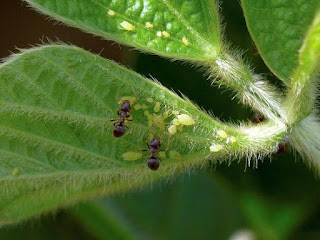
Ants tend to soybean aphids feeding on a soybean plant.
The ants will consume the sugary honeydew excreted by the aphids.
Credit: Ian Grettenberger
Neonicotinoids and other systemic insecticides can contaminate honeydew, which is an important food source for beneficial insects in agroecosystems, according to an international team of researchers.

John Tooker, professor of entomology in Penn State's College of Agricultural Sciences, was part of the multidisciplinary team that conducted a review of the scientific literature, concluding that systemic insecticides in honeydew are a serious concern, particularly in large-acreage crops that commonly are treated with these products.

Honeydew is the excretion product of sap-sucking insects such as aphids, mealybugs, whiteflies and psyllids, Tooker explained.

“This rich carbohydrate source is a common food for many beneficial insects, including pollinators, such as bees and flies, and some natural enemies of pests, such as ants, wasps and beetles,” he said. “Honeydew often is more abundant than nectar in agroecosystems.”

In their review, the researchers cited a 2019 study published in the Proceedings of the National Academy of Sciences by some of the co-authors, who found that honeydew represents a novel route of exposure to neonicotinoids, the most widely used group of systemic insecticides in the world. These insecticides often are applied in the form of seed coatings, and as a plant germinates and grows, the insecticide in its sap kills pest insects that feed on it.

As part of the 2019 study, the scientists conducted chemical analyses of honeydew excreted by insects feeding on sap from plants treated with neonicotinoids. They found clear evidence that this honeydew was contaminated and toxic to beneficial insects such as parasitic wasps and pollinating hoverflies, which died within a few days of consuming the contaminated honeydew.

How plants respond to heat stress

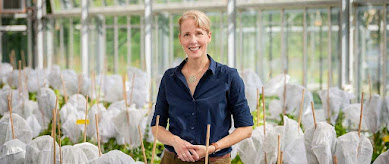
Prof. Brigitte Poppenberger and her team have elucidated the
molecular signaling pathway for heat resistance in plants.
Image: A. Heddergott / TUM
Plants, like other organisms, can be severely affected by heat stress. To increase their chances of survival, they activate the heat shock response, a molecular pathway also employed by human and animal cells for stress protection. Researchers from the Technical University of Munich (TUM) have now discovered that plant steroid hormones can promote this response in plants.

It may be hard to remember in winter, but July 2021 was the hottest month ever documented. In the USA, the mean temperature was higher than the average for July by 2,6 degrees Fahrenheit, and many southern European countries saw temperatures above 45 degrees Celsius including an all-time high temperature of 48,8 degrees Celsius recorded on the eastern coast of Sicily in Italy.

The past few decades have seen increased incidences of heat waves with record highs around the globe, and this is seen as a result of climate change. Heat waves have been occurring more frequently, have been hotter, and have been lasting longer with severe consequences not only for humans and animals but also for plants. “Heat stress can negatively affect plants in their natural habitats and destabilize ecosystems while also drastically reducing crop harvests, thereby threatening our food security,” says Brigitte Poppenberger, Professor for Biotechnology of Horticultural Crops.

Monday, January 3, 2022

Researchers reveal scale of prevalence of a condition that can cause type 2 diabetes and high blood pressure

Scientists at the University of Birmingham are calling for changes to healthcare policy following research which has shown for the first time the scale of the impact of a condition associated with benign tumors that can lead to type 2 diabetes and high blood pressure.

Up to 10 per cent of adults have a benign tumor, or lump, known as an ‘adrenal incidentaloma’ in their adrenals – glands situated on top of the kidneys which produce a variety of hormones. The lumps can be associated with the overproduction of hormones including the stress steroid hormone cortisol, which can lead to type 2 diabetes and high blood pressure. Previous small studies suggested that one in three adrenal incidentalomas produce excess cortisol, a condition called Mild Autonomous Cortisol Secretion (MACS).

Now, an international research team led by the University of Birmingham in the UK has carried out the largest ever prospective study of over 1,305 patients with adrenal incidentalomas to assess their risk of high blood pressure and type 2 diabetes and their cortisol production, comparing patients with and without MACS. The study is also the first to undertake a detailed analysis of the steroid hormone production in patients by analyzing cortisol and related hormones by mass spectrometry in 24-hour urine samples they collected.

Their study findings, published today in journal Annals of Internal Medicine, show that MACS is much more prevalent than previously reported: with almost every second patient in the study with an adrenal incidentaloma having MACS. Notably, 70% of patients with MACS were women and most of them were of postmenopausal age (aged over 50). Following their findings, the researchers now estimate that up to 1.3 million adults in the UK could have MACS. Considering that around two out of three of these patients are women, MACS is potentially a key contributor to women’s metabolic health, in particular in women after the menopause.

3D semiconductor particles offer 2D properties

When it comes to creating next-generation electronics, two-dimensional semiconductors have a big edge. They’re faster, more powerful and more efficient. They’re also incredibly difficult to fabricate.

Three-dimensional semiconductor particles have an edge, too – many of them – given their geometrically varied surfaces. Cornell researchers have discovered that the junctures at these facet edges have 2D properties, which can be leveraged for photoelectrochemical processes – in which light is used to drive chemical reactions – that can boost solar energy conversion technologies.

This research, led by Peng Chen, the Peter J.W. Debye Professor of Chemistry in the College of Arts and Sciences, could also benefit renewable energy technologies that reduce carbon dioxide, convert nitrogen into ammonia, and produce hydrogen peroxide.

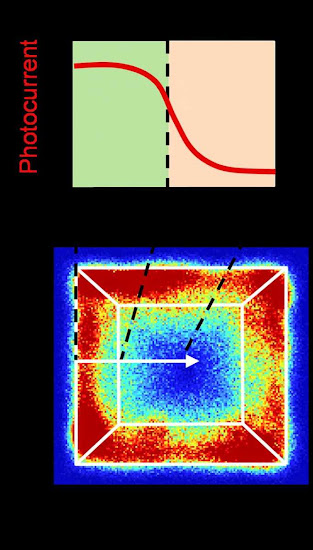
A high-resolution map of a photocatalyst particle shows the transition zones of reactivity and the corresponding spatial variation of photoelectrochemical performance across the inter-facet edge.

The group’s paper, “Inter-Facet Junction Effects on Particulate Photoelectrodes,” published in Nature Materials. The paper’s lead author is postdoctoral researcher Xianwen Mao.

For their study, the researchers focused on the semiconductor bismuth vanadate, particles of which can absorb light and then use that energy to oxidize water molecules – a clean way of generating hydrogen as well as oxygen.

The semiconductor particles themselves are anisotropically-shaped; that is, they have 3D surfaces, full of facets angled toward each other and meeting at edges on the particle surface. However, not all facets are equal. They can have different structures that, in turn, result in different energy levels and electronic properties.

T cells fit to tackle Omicron, suggests

A transmission electron micrograph of negative-stained SARS-CoV-2 Omicron variant virions,
false-colored.
Image: Dr Jason A. Roberts, Head of Electron Microscopy and Structural Virology at The Royal Melbourne Hospital's Victorian Infectious Diseases Reference Laboratory, Doherty Institute

Research from the University of Melbourne and Hong Kong University of Science and Technology (HKUST) has revealed T cells, one of the body’s key defenses against COVID-19, are expected to be effective in mounting an immune response against Omicron despite its significantly higher mutations compared to previous variants of concern.

T cells, generated both by vaccinations and COVID-19 infections, have been shown to be critical in limiting progression to severe disease by eliminating virus-infected cells and helping with other immune system functions.

Preliminary studies have reported that Omicron (fast becoming the most dominant circulating strain globally) can escape antibodies produced by vaccination or natural COVID-19 infection, raising concerns about the increased possibility of reinfection and breakthrough cases.

Published in Viruses, the team analyzed over 1,500 fragments of SARS-CoV-2’s viral proteins, called epitopes, that have been found to be recognized by T cells in recovered COVID-19 patients or after vaccination. The team’s findings suggest Omicron is unlikely to be able to evade T cells, adding to a growing body of evidence from research groups around the world who are also investigating T cell responses to COVID-19.

Secondary structures in DNA are associated with cancer

A new cancer study reports that DNA manifested as knot-like folds and third rungs between DNA’s two strands may drive cancer development and an important regulatory enzyme could be associated with the formation of these unusual structures.

Scientists from Northwestern Medicine and the La Jolla Institute for Immunology (LJI) have discovered that the loss of TET enzymes — a family of enzymes crucial for removing DNA methylation marks — is associated with B-cell lymphoma. Reduced activity of TET enzymes is common in many different cancers. Understanding the mechanisms behind cancer development upon loss of TET function may open the door for new drug treatment strategies to target multiple cancers.

The research was recently published in the journal Nature Immunology.

Previous research demonstrated specific mutations in cancer cells can result in loss of TET function in patients with blood cancers and solid cancers, causing delays in cell communication. Past studies have also identified genomic instabilities such as double-stranded breaks in the DNA code in cancer cells.

Before now, the two dangerous cell features had not been linked.

Strange, unusual structures appear in the DNA

Vipul Shukla, an assistant professor of cell and developmental biology at Northwestern University Feinberg School of Medicine, along with Anjana Rao, a professor in LJI Center for Cancer Immunotherapy, and Daniela Samaniego-Castruita, a University of California San Diego graduate student, hoped to explore one potential way TET deficiency and genomic instability may be connected.

Thursday, December 30, 2021

Elusive atmospheric molecule produced in a lab for the 1st time

Methanediol molecule
Credit: University of Hawaiʻi

The previously elusive methanediol molecule of importance to the organic, atmospheric science and astrochemistry communities has been synthetically produced for the first time by University of Hawaiʻi at Mānoa researchers. Their discovery and methods were published in Proceedings of the National Academy of Sciences on December 30.

Methanediol is also known as formaldehyde monohydrate or methylene glycol. With the chemical formula CH2(OH)2, it is the simplest geminal diol, a molecule which carries two hydroxyl groups (OH) at a single carbon atom. These organic molecules are suggested as key intermediates in the formation of aerosols and reactions in the ozone layer of the atmosphere.

The research team—consisting of Department of Chemistry Professor Ralf Kaiser, postdoctoral researchers Cheng Zhu, N. Fabian Kleimeier and Santosh Singh, and W.M. Keck Laboratory in Astrochemistry Assistant Director Andrew Turner—prepared methanediol via energetic processing of extremely low temperature ices and observed the molecule through a high-tech mass spectrometry tool exploiting tunable vacuum photoionization (the process in which an ion is formed from the interaction of a photon with an atom or molecule) in the W.M. Keck Laboratory in Astrochemistry. Electronic structure calculations by University of Mississippi Associate Professor Ryan Fortenberry confirmed the gas phase stability of this molecule and demonstrated a pathway via reaction of electronically excited oxygen atoms with methanol.

Leveraging Space to Advance Stem Cell Science and Medicine

Arun Sharma, PhD, leads a new research laboratory in the Cedars-Sinai Board of Governors Regenerative Medicine Institute, Smidt Heart Institute and Department of Biomedical Sciences.
Photo by Cedars-Sinai.

The secret to producing large batches of stem cells more efficiently may lie in the near-zero gravity conditions of space. Scientists at Cedars-Sinai have found that microgravity has the potential to contribute to life-saving advances on Earth by facilitating the rapid mass production of stem cells.

A new paper, led by Cedars Sinai and published in the peer-reviewed journal Stem Cell Reports, highlights key opportunities discussed during the 2020 Biomanufacturing in Space Symposium to expand the manufacture of stem cells in space.

Biomanufacturing—a type of stem cell production that uses biological materials such as microbes to produce substances and biomaterials suitable for use in preclinical, clinical, and therapeutic applications—can be more productive in microgravity conditions.

“We are finding that spaceflight and microgravity is a desirable place for biomanufacturing because it confers a number of very special properties to biological tissues and biological processes that can help mass produce cells or other products in a way that you wouldn’t be able to do on Earth,” said stem cell biologist Arun Sharma, PhD, research scientist and head of a new research laboratory in the Cedars-Sinai Board of Governors Regenerative Medicine Institute, Smidt Heart Institute and Department of Biomedical Sciences.

High-resolution lab experiments show how cells ‘eat’

Comert Kural
A new study shows how cell membranes curve to create the “mouths” that allow the cells to consume things that surround them.

“Just like our eating habits basically shape anything in our body, the way cells ‘eat’ matters for the health of the cells,” said Comert Kural, associate professor of physics at The Ohio State University and lead author of the study. “And scientists did not, until now, understand the mechanics of how that happened.”

The study, published recently in the journal Developmental Cell, found that the intercellular machinery of a cell assembles into a highly curved basket-like structure that eventually grows into a closed cage. Scientists had previously believed that structure began as a flat lattice.

Membrane curvature is important, Kural said: It controls the formation of the pockets that carry substances into and out of a cell.

The pockets capture substances around the cell, forming around the extracellular substances, before turning into vesicles – small sacs one-one millionth the size of a red blood cell. Vesicles carry important things for a cell’s health – proteins, for example – into the cell. But they can also be hijacked by pathogens that can infect cells.

But the question of how those pockets formed from membranes that were previously believed to be flat had stymied researchers for nearly 40 years.

“It was a controversy in cellular studies,” Kural said. “And we were able to use super-resolution fluorescence imaging to actually watch these pockets form within live cells, and so we could answer that question of how they are created.

Wednesday, December 29, 2021

Smart sutures to monitor deep surgical wounds

Surgical sutures with an attached electronic module for wireless and battery-free monitoring of deep surgical sites.
Credit: National University of Singapore

Monitoring surgical wounds after an operation is an important step to prevent infection, wound separation and other complications.

However, when the surgical site is deep in the body, monitoring is normally limited to clinical observations or costly radiological investigations that often fail to detect complications before they become life-threatening.

Hard bioelectronic sensors can be implanted in the body for continuous monitoring, but may not integrate well with sensitive wound tissue.

To detect wound complications as soon as they happen, a team of researchers led by Assistant Professor John Ho from the NUS Electrical and Computer Engineering as well as the NUS Institute for Health Innovation & Technology has invented a smart suture that is battery-free and can wirelessly sense and transmit information from deep surgical sites.

These smart sutures incorporate a small electronic sensor that can monitor wound integrity, gastric leakage and tissue micromotions, while providing healing outcomes which are equivalent to medical-grade sutures.

Robots collect underwater litter

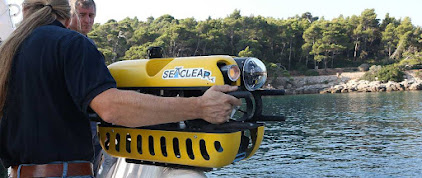
The robot of the SeaClear Project is able to detect and collect underwater litter.
Image: The SeaClear Project
Removing litter from oceans and seas is a costly and time-consuming process. As part of a European cooperative project, a team at the Technical University of Munich (TUM) is developing a robotic system that uses machine learning methods to locate and collect waste under water.

Our seas and oceans currently contain somewhere between 26 and 66 million tons of plastic waste, most of which is lying on the seafloor. This represents an enormous threat to marine plants and animals and to the ecological balance of the seas.

But removing waste from the waters is a complex and expensive process. It is often dangerous, too, because the work is generally done by scuba divers. The cleanup operations are also usually limited to the water surface. In the SeaClear Project, a team at TUM is working with eight European partner institutions to develop a robotic system capable of collecting underwater litter.

Tuesday, December 28, 2021

Optimization of mRNA containing nanoparticles

Dr. Aurel Radulescu at the KWS-2 instrument of the Juelich Center for Neutron Science (JCNS) in the research neutron source Heinz Maier-Leibnitz (FRM II) of the Technical University of Munich
Image: Bernhard Ludewig / TUM / FRM II

The research neutron source Hein Maier-Leibnitz (FRM II) at the Technical University of Munich (TUM) is playing an important role in the investigation of mRNA nanoparticles similar to the ones used in the Covid-19 vaccines from vendors BioNTech and Pfizer. Researchers at the Heinz Maier-Leibnitz Zentrum (MLZ) used the high neutron flux available in Garching to characterize various formulations for the mRNA vaccine and thus to lay the groundwork for improving the vaccine's efficacy.

The idea of using messenger RNA (mRNA) as an active ingredient is a brilliant one: The molecule contains the specific blueprint for proteins which are then synthesize by the cell. This makes it generally possible to provide a very wide spectrum of different therapeutically effective proteins.

In the case of the Covid-19 vaccine, these are the proteins of the characteristic spikes on the surface of the Corona virus which are used for vaccination. The proteins are presented on the surface of immune cells; then the human immune system triggers defenses against these foreign proteins and thus against the Corona virus. The mRNA itself is completely broken down after only a few hours, a fact which is advantageous to the safety of these vaccines.

The mRNA has to be packaged appropriately in order to keep it from being broken down on the way to the cell by the ubiquitous enzymes of the human body. This is done using nanoparticles which can consist of a mixture of lipids or polymers.

Featured Article

What Is: Quorum Sensing

Scientific Frontline: Extended "At a Glance" Summary : Quorum Sensing The Core Concept : Quorum sensing is a sophisticated, popula...

Top Viewed Articles