. Scientific Frontline

Tuesday, February 1, 2022

Scientists discover link between high blood pressure and diabetes

The long-standing enigma of why so many patients suffering with high blood pressure (known as hypertension) also have diabetes (high blood sugar) has finally been cracked by an international team led by the universities of Bristol, UK, and Auckland, New Zealand.

The important new discovery has shown that a small protein cell glucagon-like peptide-1 (GLP-1) couples the body’s control of blood sugar and blood pressure.

Professor Julian Paton, a senior author, and Director of Manaaki Mãnawa - The Centre for Heart Research at the University of Auckland, said: "We've known for a long time that hypertension and diabetes are inextricably linked and have finally discovered the reason, which will now inform new treatment strategies."

The research, published online ahead of print in Circulation Research today, involved contributions from collaborating scientists in Brazil, Germany, Lithuania, and Serbia, as well as the UK and New Zealand.

LP-1 is released from the wall of the gut after eating and acts to stimulate insulin from the pancreas to control blood sugar levels. This was known but what has now been unearthed is that GLP-1 also stimulates a small sensory organ called the carotid body located in the neck.

The University of Bristol group used an unbiased, high-throughput genomics technique called RNA sequencing to read all the messages of the expressed genes in the carotid body in rats with and without high blood pressure. This led to the finding that the receptor that senses GLP-1 is located in the carotid body, but less so in hypertensive rats.

Hepatitis E virus defies alcoholic hand disinfectants

The hepatitis E virus (HEV) can cause serious inflammation of the liver and is the most common cause of acute virus-mediated hepatitis worldwide. The infection can be prevented by suitable hygiene measures. Scientists from TWINCORE, Center for Experimental and Clinical Infection Research, the Hannover Medical School (MHH) and the Ruhr University Bochum (RUB) have examined the effectiveness of various common hand disinfectants against HEV together with partners from industry. They could show that most formulations do not completely inactivate the virus. They publish these results in the Journal of Hepatology.

Pork infection

In Germany and Europe, HEV has its natural reservoir in pigs. The infection can pass from the animals to humans, one speaks here of a zoonosis. This is often done by meat products that are not fully heated or raw, such as Mett. In tropical regions of the world, contaminated water leads to infections with sometimes larger outbreaks. "Some of these infections may have been prevented by the right hygiene measures," says Dr. Patrick Behrendt, doctor in the clinic for gastroenterology, hepatology and endocrinology at MHH and head of the junior research group "Translational Virology" at TWINCORE. This includes correct hygienic hand disinfection, especially in everyday clinical practice in dealing with hepatitis E patients and infected animals.

Together with the team of Prof. Dr. Eike Steinmann, head of the Department of Molecular and Medical Virology at RUB, examined Behrendt whether common hand disinfectants can render the virus harmless. "We tested the effects of the alcohols ethanol and propanol, both individually and in the mixing ratios recommended by the WHO, as well as commercial hand disinfectants," says Steinmann. “However, only one product that contained another component was effective."

Monday, January 31, 2022

New study finds some flowers unchanged for 100 million years

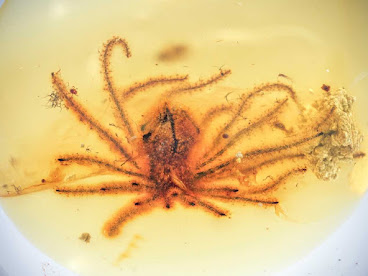
Flower preserved in amber
Credit: The Open University
An international research team has discovered 100-million-year-old fossil flowers preserved in amber, showing that some flowers found living today in South Africa have remained unchanged since the time of the dinosaurs.

The flowers, discovered by experts from The Open University, Qingdao University, and others, are nearly identical to those of modern Phylica species, which are part of the Cape Fynbos flora that is exposed to frequent wildfires.

The fossils were found alongside long-extinct burned plants, pointing to wildfires being an important aspect of early flower evolution.

The sudden appearance of flowering plants as fossils in middle Cretaceous time was described by Charles Darwin as an “abominable mystery” and usually, flower fossils are rare, not well preserved and come from an extinct group of species.

However, this study, published in Nature Plants, found an exception – the research team found flowers, trapped in fossil ambers, that are almost identical to plants living today near Cape Town, South Africa.

Robert A. Spicer, Emeritus Professor at The Open University, described the historical context of the flowers and what the findings can tell us about the plant evolution:

“These exquisitely preserved flowers, fruits, leaves and pollen from 100 million years ago provide a snapshot of an important time in the evolution of flowering plants, showing that early flowers were not primitive as many people suppose, but were already superbly adapted to survive the frequent wildfires that ravaged the warm ‘greenhouse’ world of the Cretaceous.

Number of Earth’s tree species estimated to be 14% higher than currently known, with some 9,200 species yet to be discovered

Coniferous mixed forest, Val Saisera, Italian Julian Alps, Italy.
Image credit: Dario Di Gallo, Regional Forest Service of Friuli Venezia Giulia, Italy

A new study involving more than 100 scientists from across the globe and the largest forest database yet assembled estimates that there are about 73,000 tree species on Earth, including about 9,200 species yet to be discovered.

The global estimate is about 14% higher than the current number of known tree species. Most of the undiscovered species are likely to be rare, with very low populations and limited spatial distribution, the study shows.

That makes the undiscovered species especially vulnerable to human-caused disruptions such as deforestation and climate change, according to the study authors, who say the new findings will help prioritize forest conservation efforts.

“These results highlight the vulnerability of global forest biodiversity to anthropogenic changes, particularly land use and climate, because the survival of rare taxa is disproportionately threatened by these pressures,” said University of Michigan forest ecologist Peter Reich, one of two senior authors of a paper scheduled for publication Jan. 31 in Proceedings of the National Academy of Sciences.

Low Volcanic Temperature Ushered in Global Cooling and the Thriving of Dinosaurs

Researchers in Japan, Sweden, and the US have unearthed evidence that low volcanic temperatures led to the fourth mass extinction, enabling dinosaurs to flourish during the Jurassic period.

Large volcanic eruptions create climatic fluctuations, ushering in evolutionary changes. Yet it is the volcanic temperature of the eruption that determines whether the climate cools or warms.

Since the emergence of early animals, five mass extinctions have taken place. The fourth mass extinction occurred at the end of the Triassic Period - roughly 201 million years ago. This mass extinction saw many marine and land animals go extinct, especially large-body, crocodilian-line reptiles known as pseudosuchia. Approximately 60-70% of animal species disappeared. As a result, small bodied dinosaurs were able to grow and prosper.

Scientists think the fourth mass extinction was triggered by the eruptions in the Central Atlantic Magmatic Province - one of the largest regions of volcanic rock. But the correlation between the eruption and mass extinction has not yet been clarified.

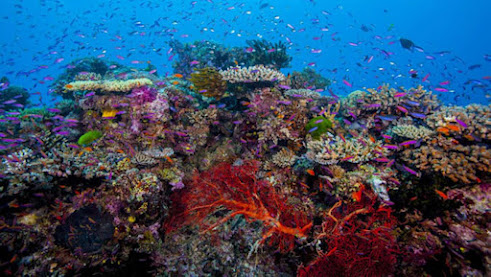
Understanding coral reef connectivity important to focus conservation efforts

Coral reef in Fiji.
Photo credit: Joao Paulo Krajewski

Scientific Frontline: "At a Glance" Summary

  • Main Discovery: Larval connectivity between coral reefs significantly influences their biodiversity and biomass, with "sink" reefs (which receive larvae) showing greater resilience and biomass compared to "source" reefs.
  • Methodology: Researchers utilized ocean biophysical models to simulate fish larval dispersal across coral reefs globally, combining ocean current movement data with biological characteristics of four distinct fish groups.
  • Key Data: Reefs functioning as larval "sinks" contain approximately twice as much biomass as larval "sources," and 70% of reefs identified as functionally important for biodiversity and fisheries currently lack protection.
  • Significance: The study provides the first global-scale simulation of coral reef larval connectivity, revealing that a reef's role as a source, sink, or corridor is a critical determinant of its ability to support fisheries and maintain biodiversity.
  • Future Application: These findings offer a science-based framework for strategically positioning future Marine Protected Areas (MPAs) and Other Effective area-based Conservation Measures (OECMs) to maximize conservation outcomes by 2030.
  • Branch of Science: Marine Ecology and Conservation Biology
  • Additional Detail: While "sink" reefs are potential "sweet spots" for local subsistence fisheries due to high biomass, they still require managed fishing restrictions to maintain their ecological function.

2D materials could be used to simulate brain synapses in computers

Credit: KTH Royal Institute of Technology

With the introduction of a new component material, researchers at KTH take another step toward computers that mimic the human brain.

Researchers from KTH Royal Institute of Technology in Stockholm and from Stanford University have fabricated a material for components that enable the commercial viability of computers which mimic the human brain.

Electrochemical random access (ECRAM) memory components made with 2D titanium carbide showed outstanding potential for complementing classical transistor technology, and contributing toward commercialization of powerful computers that are modeled after the brain’s neural network. Such neuromorphic computers can be thousands of times more energy efficient than today’s computers.

These advances in computing are possible because of some fundamental differences from the classic computing architecture in use today, and the ECRAM, a component that acts as a sort of synaptic cell in an artificial neural network, says KTH Associate Professor Max Hamedi.

“Instead of transistors that are either on or off, and the need for information to be carried back and forth between the processor and memory—these new computers rely on components that can have multiple states, and perform in-memory computation,” Hamedi says.

Quantum leap on film

Jumping electrons: Using a combination of scanning tunneling microscopy and laser spectroscopy with attosecond pulses, Max Planck researchers have filmed electrons in PTCDA molecules arranged next to each other. The position of two molecules are made visible by graphical models. One electron at a time switches back and forth between a higher-energy state and a lower-energy state. The blue coloring stands for a low electron density and the red for a high one. The electron is initially in the energetically higher state. This can be recognized by the relatively high proportion with low electron density (blue). Excited by a laser, it then jumps back and forth between the higher-energy and lower-energy states. The lower-energy state can be recognized by the generally more even distribution of electron density (green, yellow, and orange). After about 1.4 femtoseconds (three images), the electron once again reaches the higher-energy state.
Credit:  Manish Garg / MPI for Solid State Research

An ultra-fast microscope combines atomic spatial and temporal resolution and thus enables unprecedented insights into the dynamics of electrons in molecules

In order to better understand (and possibly control) fast chemical reactions, it is necessary to study the behavior of electrons as precisely as possible – in both space and time. However, up to now, microscopy methods have delivered only either spatially or temporally sharp images. By cleverly combining established techniques of tunneling microscopy and laser spectroscopy, a team led by Klaus Kern, Director at the Max Planck Institute for Solid State Research in Stuttgart, has now overcome these obstacles. Using their atomic quantum microscope, they can make the movement of electrons in individual molecules visible.

It is essential not only for understanding biological processes (e.g. plant photosynthesis) to map the electron dynamics in molecules but also for many technical applications such as the development of solar cells or new types of electronic components. Until now, imaging methods have sometimes delivered images that are difficult to reproduce – or even contradictory. This is because they cannot map the fast electrons directly but rather must resort to techniques that can only reconstruct the behavior of the electrons.

Molecular machine in the nanocontainer

Lars Schäfer from Theoretical Chemistry examined a nanocreis with colleagues from South Korea. Credit: Ruhr University Bochum / Marquard

What a toy: A tiny gyro that has space in a cell and can be controlled from the outside.

The theoretical chemists Dr. have a molecular gyroscope that can be controlled remotely by light. Chandan Das and Prof. Dr. Lars Schäfer from the Ruhr University Bochum (RUB) constructed together with an international team at the Institute for Basic Science in South Korea. In addition, they managed to characterize the rotary movements of this synthetic nanomachine with computer simulations. The authors describe their results in the journal Chem.

Navigation of aircraft or satellites

Machines that are enclosed in a cage or housing can have interesting properties. You can convert any energy supplied into programmed functions. One such system is the mechanical gyroscope. This toy fascinates with its constant rotation. Gyroscopes are also used in practice, for example in navigation systems of aircraft or satellites and in wireless computer mice. "What makes these gyroscopes so advantageous is not only the rotor, but also the housing, which aligns the rotor in a certain direction and protects it from obstacles," says Lars Schäfer.

At the molecular level, many proteins work as biological nanomachines. They are present in every biological cell and perform precise and programmed actions or functions, also within a limited environment. The machines can be controlled by external stimuli. "In the laboratory, the synthesis and characterization of such complex structures and functions in an artificial molecular system is a major challenge," said Schäfer.

Study shows how temperate rainforests can aid the fight against climate change

Fenced livestock enclosures at the edge of oak woodland at Piles Copse where efforts are ongoing to encourage woodland expansion.
Credit: Thomas Murphy University of Plymouth

There is global recognition that woodland expansion could be one of the most effective solutions in the fight against climate change.

However, new research has shown that the level of growth needed to produce the number of trees required by UK targets is unlikely to be achieved through natural means alone.

Environmental scientists and ecologists at the University of Plymouth showed that browsing behavior by livestock is a major determinant of the expansion and connection of fragmented UK upland oak woodlands – so-called ‘temperate rainforests.

The study, focused on Dartmoor in South West England, found the presence of livestock led to far fewer oak saplings surviving. When saplings did survive, they were smaller and in poorer condition, and seldom lived beyond eight years old without protection.

Interestingly, however, disturbance by grazing livestock may not be all bad and its precise impact may depend on surrounding plant species.

Individuals with immunodeficiency at high risk of mortality following SARS-CoV-2 infection

Patients with primary and secondary immunodeficiency are at higher risk of mortality following SARS-CoV-2 infection compared with the general population, according to a new study led by the University of Birmingham.

The COVID-19 pandemic has disproportionately affected individuals with primary immunodeficiency (PID) and secondary immunodeficiency (SID). These conditions arise when the immune system’s ability to fight infectious disease is compromised or entirely absent as a result of genetic mutations (PID) or other factors, such as immunosuppressive drugs, blood cancers or chemotherapy (SID).

In a significant national effort, and the largest study of its kind to date, the United Kingdom Primary Immunodeficiency Network (UKPIN) collated the outcomes of individuals with PID and SID following infection and treatment for COVID-19.

This retrospective study, published in the journal Clinical & Experimental Immunology, aims to better understand the risk of severe disease and death following SARS-CoV-2 infection in patients with primary or secondary immunodeficiency. The outcomes of 310 individuals from across the United Kingdom were reported to a UKPIN case series between March 2020 and July 2021.

The team found that 45.8% of patients with PID or SID were hospitalized with COVID-19, a significantly higher rate than for the UK general population, and died up to 26 years younger than the median age of death from COVID-19 in the UK. The risk of dying in patients with primary or secondary immunodeficiency was also higher than the general population, varying between subgroups of these conditions. For example, 16.3% of individuals with primary immunodeficiency receiving immunoglobulin replacement and 27.2% with secondary immunodeficiency died from infection during the first three waves of the SARS-CoV-2 pandemic in the UK.

Sunday, January 30, 2022

Hubble Captures Chameleon Cloud I

Image Credit: NASA, ESA, K. Luhman and T. Esplin (Pennsylvania State University), et al., and ESO; Processing: Gladys Kober (NASA/Catholic University of America)
Hi-Res Zoomable Image


This NASA Hubble Space Telescope image captures one of three segments that comprise a 65-light-year wide star-forming region named the Chamaeleon Cloud Complex. The segment in this Hubble composite image, called Chamaeleon Cloud I (Cha I), reveals dusty-dark clouds where stars are forming, dazzling reflection nebulae glowing by the light of bright-blue young stars, and radiant knots called Herbig-Haro objects.

Herbig-Haro objects are bright clumps and arcs of interstellar gas shocked and energized by jets expelled from infant “protostars” in the process of forming. The white-orange cloud at the bottom of the image hosts one of these protostars at its center. Its brilliant white jets of hot gas are ejected in narrow torrents from the protostar’s poles, creating the Herbig-Haro object HH 909A.

Saturday, January 29, 2022

Modern Day Gold Rush Turns Pristine Rainforests into Heavily Polluted Mercury Sinks

Illegal gold miners use mercury to bind gold particles, then separate the two metals by burning gold-mercury pellets in open fire ovens, releasing clouds of highly toxic mercury particles into the atmosphere.
Credit – Melissa Marchese

If you had to guess which part of the world has the highest levels of atmospheric mercury pollution, you probably wouldn’t pick a patch of pristine Amazonian rainforest. Yet, that’s exactly where they are.

In a new study appearing in the journal Nature Communications, an international team of researchers show that illegal gold mining in the Peruvian Amazon is causing exceptionally high levels of atmospheric mercury pollution in the nearby Los Amigos Biological Station.

One stand of old-growth pristine forest was found to harbor the highest levels of mercury ever recorded, rivaling industrial areas where mercury is mined. Birds from this area have up to twelve times more mercury in their systems than birds from less polluted areas.

The spread of mercury pollution from gold mining has primarily been studied in aquatic systems. In this study, a team of researchers led by Jacqueline Gerson, who completed this research as part of her Ph.D. at Duke, and Emily Bernhardt, professor of Biology, provide the first measurements of terrestrial inputs, storage and impact of atmospheric mercury to forests and measurements of methylmercury, the most toxic form of mercury.

Illegal miners separate gold particles from river sediments using mercury, which binds to gold, forming pellets large enough to be caught in a sieve. Atmospheric mercury is released when these pellets are burned in open fire ovens. The high temperature separates the gold, which melts, from the mercury, which goes up in smoke. This mercury smoke ends up being washed into the soil by rainfall, deposited onto the surface of leaves, or absorbed directly into the leaves’ tissues.

Thawing permafrost can accelerate global warming

Outcrop of Yedoma sediments with the thick ice masses underlain by river sediments exposed on an arm of the Lena River in the river delta.
Credit: Janet Rethemeyer

Thawing permafrost in the Arctic could be emitting greenhouse gases from previously unaccounted-for carbon stocks, fueling global warming. That is the result of a study conducted by a team of geologists led by Professor Dr Janet Rethemeyer at the University of Cologne’s Institute of Geology and Mineralogy, together with colleagues from the University of Hamburg and the Helmholtz Centre Potsdam – GFZ German Research Centre for Geosciences. In the Siberian Arctic, the research team determined the origin of carbon dioxide released from permafrost that is thousands of years old. This research endeavor is part of the German-Russian research endeavor ‘Kopf – Kohlenstoff im Permafrost’, funded by the German Federal Ministry of Education and Research (BMBF). The paper ‘Sources of CO2 Produced in Freshly Thawed Pleistocene-Age Yedoma Permafrost’ has now appeared in Frontiers in Earth Science.

Global climate change is causing temperatures to rise sharply, especially in the Arctic. Among other things, higher temperatures are causing more and more permafrost soils, which have been frozen for thousands of years, to thaw. Particularly affected is so-called ‘yedoma’ permafrost, which is widespread in areas that were not covered by ice sheets during the last ice age. Yedoma contains up to 80 per cent ice and is therefore also called ice complex. The ground ice can thaw very abruptly, causing the bedrock to collapse and erode. Such processes, known as thermokarst, make carbon previously stored in the frozen ground accessible to microorganisms, which break it down and release it as carbon dioxide and methane. The greenhouse gas release amplifies global warming, which is known as permafrost-carbon feedback.

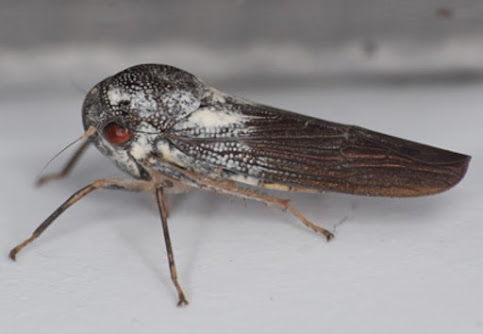
New species of 'incredibly rare' insect discovered

The newly discovered leafhopper Phlogis kibalensis
Credit: Dr Alvin Helden, Anglia Ruskin University 

An Anglia Ruskin University (ARU) scientist has discovered a new species that belongs to a group of insects so rare that its closest relative was last seen in 1969.

Dr Alvin Helden found the new species of leafhopper, which he has named Phlogis kibalensis, during field work with students in the rainforest of the Kibale National Park in western Uganda, and the discovery has been announced in the journal Zootaxa.

The new species, which has a distinctive metallic sheen, pitted body, and, in common with most leafhoppers, uniquely-shaped male reproductive organs – in this case partially leaf-shaped – belongs to a group, or genus, called Phlogis.

Prior to this new discovery, the last recorded sighting of a leafhopper from this rare genus was in Central African Republic in 1969.

Featured Article

Quantum computers go high-dimensional

Marcus Huber (left) and Nicolai Friis Photo Credit: © Alexander Rommel / TU Wien Scientific Frontline: Extended "At a Glance" Summ...

Top Viewed Articles