
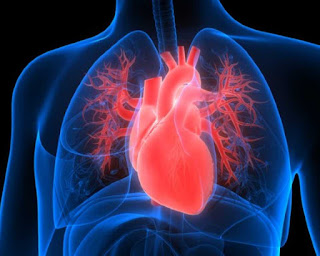
Julian Paton, currently Professor of Translational Physiology at ABI, began studying the relationship between the heartbeat and respiration more than a decade ago while at Bristol's School of Physiology, Pharmacology & Neuroscience. He has since worked with his team at UK-based Ceryx Medical, the company he founded while at Bristol, to develop ‘Cysoni’, a unique cardiac rhythm management device.
The bionic device paces the heart with real-time respiratory modulation. The innovation stems from the idea that heart rate increases and decreases with each breath in normal physiology, termed ‘respiratory sinus arrhythmia’ (RSA). Cysoni replicates this natural interaction, triggering heartbeats based on respiratory function, as opposed to the usual ‘metronomic’ generation by traditional pacemakers. This sets Cysoni apart from existing devices, which generate an output with no breath-by-breath induced variation in the inter-beat interval. In essence, Cysoni listens and responds to the cardiorespiratory system and optimizes its performance.
The team’s studies found that RSA pacing increased cardiac output by 20 per cent, compared to monotonic pacing. This increase in output led to a significant decrease in heart failure-associated symptoms such as apneas and significant improvements in performance during exercise. It also reversed cardiomyocyte hypertrophy and restored the T-tubule structure that is essential for force generation. This repair of cardiac damage indicative of heart failure is particularly exciting.












.jpg)