
 |
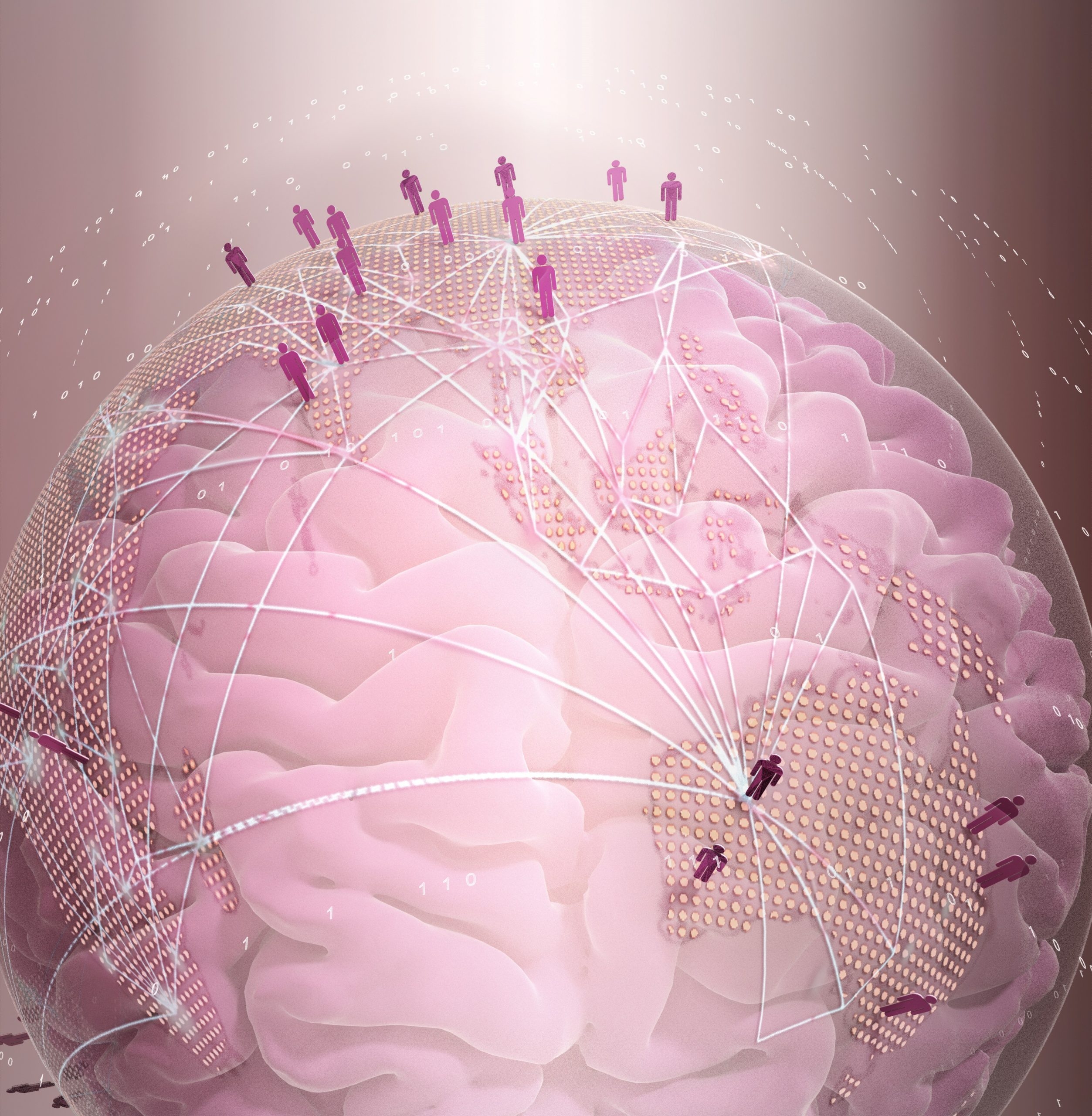
| ENGIMA-STB aims to identify neurobiological variations associated with suicidal ideations and behaviors, to ultimately leverage information from brain structure, function, along with clinical and demographic factors, to predict the likelihood of a future suicidal attempt. Image credit: USC Stevens INI |
The ENIGMA Suicidal Thoughts and Behaviors (ENIGMA-STB) consortium gathered and analyzed neuroimaging data from 18 different studies worldwide to examine associations between brain structure and suicide attempt in young people with major depressive disorder.
Suicide is the second leading cause of death in the United States for young people from the age of 10 up to 33. Tragically, the number of suicide attempts among children and adolescents has continued to increase despite national and international prevention efforts. Collaborative research where specialists all over the world work together is needed to advance our understanding of the complex nature of suicidal thoughts and behaviors, and ultimately, to develop better interventions and preventions.
A new study by a global team of researchers including Neda Jahanshad, PhD, of the Keck School of Medicine of USC’s Mark and Mary Stevens Neuroimaging and Informatics Institute (Stevens INI), has revealed subtle alterations in the size of the brain’s prefrontal region in young people with mood disorders and suicidal thoughts and behaviors. The study was recently published in Molecular Psychiatry.




.jpg)