
 |
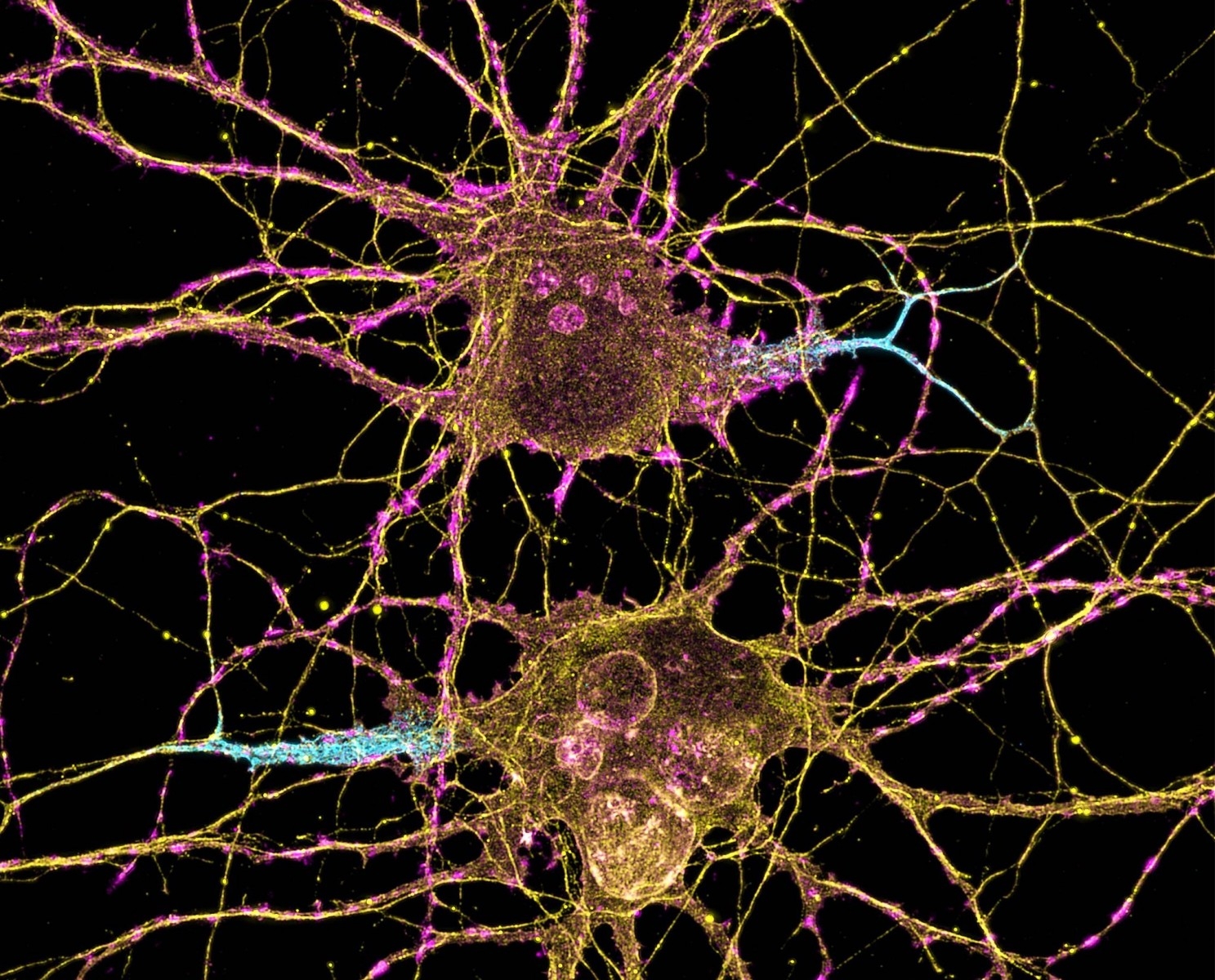
| The researchers delete one copy of a gene in specific neurons in mice to examine where circuit changes go wrong in ways that could lead to symptoms associated with autism. Image Credit: National Institutes of Health |
Part of understanding the underlying causes of autism spectrum disorder relies on figuring out which cells’ signaling patterns in the brain are disrupted, and when during nervous system development the disruption occurs.
New research findings in mouse models of one genetic risk for autism support the idea that loss of a specific gene interferes with cells in the brain whose role is to inhibit signaling. Though there are fewer of these cells than other neurons and their signals don’t travel very far, they have enormous influence on patterns of information transmission within the brain and to the rest of the body.
Ohio State University researchers found that deleting a copy of the autism-risk gene Arid1b from specific brain cells decreased the number of inhibitory cells and lowered signaling between inhibitory cells and the excitatory cells they help control. Previous research has suggested reduced inhibitory signals in mouse models of the disorder result in a range of autism-related behaviors.
In separate experiments, the scientists found that signaling changes linked to inhibitory cells can be seen in the same genetic mouse models of autism spectrum disorder (ASD) very shortly after birth, but the disruption might not be strong enough to interfere with normal brain development powered by a host of other genes.
.jpg)


.jpg)

.jpg)
.jpg)
.jpg)
.png)


.jpg)