. Scientific Frontline: Search results for Bacteriophages
Showing posts sorted by relevance for query Bacteriophages. Sort by date Show all posts

Wednesday, July 27, 2022

Viruses help combat antibiotic-resistant bacteria

Prof. Gil Westmeyer (l.) and his research team, in collaboration with Kilian Vogele (r.) and the start-up Invitris, have developed a new controlled production method to create bacteriophages for therapeutic use.
Photo Credit: A. Heddergott / TUM

Scientific Frontline: Extended "At a Glance" Summary: Cell-Free Production of Therapeutic Phages

The Core Concept: Cell-free bacteriophage production is an innovative synthesis method that utilizes Escherichia coli extracts containing no viable cells to rapidly manufacture targeted therapeutic viruses. This approach provides a clean and reproducible way to combat multi-drug resistant bacterial infections.

Key Distinction/Mechanism: Unlike traditional bacteriophage manufacturing—which relies on living bacterial cultures that risk contamination by bacterial toxins or unwanted pathogens—this cell-free system introduces the specific viral DNA blueprint directly into a cell-free nutrient solution containing molecular components and enzymes, triggering rapid protein assembly and generating thousands of identical viral copies in seconds.

Major Frameworks/Components:

  • Cell-free nutrient solution derived from Escherichia coli extracts devoid of viable cells.
  • Isolated viral genomes (DNA blueprints) corresponding to specific bacterial pathogens.
  • Enzymatic machinery and molecular components driving rapid in vitro protein assembly.
  • Personalized screening protocols utilizing patient-derived multi-resistant bacterial samples.

Monday, July 13, 2026

Plant Bacteriophages Reveal Genomic Stability

Peaches infected with Xanthomonas arboricola pv. pruni
Image Credit: Scientific Frontline

Scientific Frontline: Extended "At a Glance" Summary
: Genomic Stability of Plant-Associated Bacteriophages

The Core Concept: Researchers have discovered that specific bacteriophages infecting agriculturally significant bacterial plant pathogens can remain genetically stable for decades, challenging the widespread assumption that all viruses mutate rapidly.

Key Distinction/Mechanism: While most viruses exhibit pervasive genomic mosaicism and rapid evolution, these newly characterized plant-associated phages demonstrate remarkable genomic stability—maintaining greater than 95% nucleotide identity over 40 years—alongside localized adaptive divergence in accessory loci.

Origin/History: The discovery stems from an analysis of 15 phage genomes isolated from North Carolina peach orchards over an approximate 40-year period, specifically targeting viruses that infect the peach pathogen Xanthomonas arboricola pv. pruni.

Major Frameworks/Components:

  • The classification of a novel phage genus and species, Duraznoxanthovirus arenicola, which exclusively infects the Xanthomonas peach pathogen.
  • A proposed broader taxonomic restructuring within the family Anamaviridae, introducing a new subfamily (Terravirinae) and two new genera (Duraznoxanthovirus and Ralstopathovirus).
  • The establishment of scale-aware ecological frameworks to understand how spatial structure, host population genetics, and environmental heterogeneity shape infection outcomes and microbial community dynamics.

Wednesday, February 4, 2026

Biochemistry lab at IU Bloomington finds chemical solution for tackling antibiotic resistance

“I love thinking outside the box when it comes to the antibiotic resistance problem,” said J.P. Gerdt, assistant professor of chemistry at Indiana University Bloomington.
Photo Credit: Chris Meyer, Indiana University

Scientific Frontline: "At a Glance" Summary

  • Main Discovery: Identification of a small chemical molecule that actively inhibits bacterial immune defenses, enabling bacteriophages to successfully infect and destroy bacteria that would otherwise resist viral attack.
  • Methodology: Researchers screened a commercial compound library against a model bacterium to isolate specific molecules capable of suppressing the bacteria's immune response to bacteriophages.
  • Key Data: The specific bacterial immune system mechanism targeted by the discovered molecule is present in approximately 2,000 distinct bacterial species.
  • Significance: Offers a potential solution to antimicrobial resistance by potentiating phage therapy, allowing for the precise elimination of pathogens like Staphylococcus aureus without harming beneficial microbiomes, unlike broad-spectrum antibiotics.
  • Future Application: Development of a comprehensive library of bacterial immune inhibitors over the next 10 to 15 years for use in agriculture and treating hard-to-cure human infections.
  • Branch of Science: Biochemistry and Microbiology
  • Additional Detail: These findings were published in the journal Cell Host and Microbe in a paper titled "Chemical inhibition of a bacterial immune system."

Friday, July 31, 2026

What Is: Bacteriophages


Scientific Frontline: Extended "At a Glance" Summary
: Bacteriophages: Viral Predators and Phage Therapy

The Core Concept: Bacteriophages are the most abundant and diverse viral entities on Earth, functioning as microscopic apex predators that exist exclusively to infect, replicate within, and ultimately lyse bacterial populations.

Key Distinction/Mechanism: Operating at the precise boundary of chemistry and life, these viruses utilize extreme thermodynamic pressurization for passive DNA injection, complex bistable genetic switches to govern lytic versus lysogenic life cycles, and profound molecular mimicry to hijack bacterial host metabolism.

Origin/History: The antibacterial properties of bacteriophages were first empirically observed by Ernest Hankin in 1896, with formal discovery credited independently to Frederick Twort in 1915 and Felix d'Herelle, who officially coined the term "bacteriophage" in 1917.

Major Frameworks/Components:

  • The "Viral Shunt": A macroscopic biogeochemical process where phage-induced bacterial lysis prevents sequestered nutrients from moving up the classical grazing food web, instead redirecting carbon and essential elements back into the microbial loop to regulate planetary ecosystems.
  • The 2022 ICTV Taxonomic Revolution: A radical, genome-based restructuring of viral classification that permanently abolished morphology-based orders, reorganizing tailed viruses into the class Caudoviricetes utilizing freeform binomial nomenclature.
  • The Lambda Phage Genetic Switch: An elegant thermodynamic regulatory network driven by the competitive binding of CI repressor dimers and Cro proteins, determining whether the virus enters a dormant lysogenic state or initiates a destructive lytic cycle.
  • The Z-DNA Alphabet: An extreme evolutionary deviation where specific phages evade bacterial restriction endonucleases by substituting canonical adenine with 2,6-diaminopurine, synthesized via specialized viral-encoded enzymes like PurZ and polymerized by DpoZ.
  • Anti-CRISPR (Acr) Proteins: Highly specific, convergently evolved viral proteins, such as AcrIIA26, that deploy steric occlusion and molecular mimicry to neutralize bacterial CRISPR-Cas adaptive immune systems.

Wednesday, May 13, 2026

What Is: The Virome


Scientific Frontline: Extended "At a Glance" Summary
: The Virome

The Core Concept: The virome refers to the vast, complex, and heterogeneous collection of all viruses that are found in or on an organism, or within a specific environmental ecosystem.

Key Distinction/Mechanism: Historically relegated to the domain of clinical pathology and infectious disease, viruses are now understood to be the most abundant and influential biological entities on Earth, serving as architects of human physiology and ultimate regulators of global biogeochemical cycles. Rather than exclusively causing overt clinical disease, commensal viruses establish long-term, asymptomatic, and mutualistic relationships that act as continuous, low-level stimulants to the host's immune system, revealing a trans-kingdom functional redundancy that challenges the bacterial-centric view of the microbiome.

Major Frameworks/Components:

  • Eukaryotic Viruses: These agents establish persistent or latent infections that constantly shape the host's immunophenotype, conferring basal levels of innate resistance against novel external pathogens.
  • Bacteriophages: Functioning as the apex predators of the microscopic world, phages exclusively infect bacteria to rigorously regulate bacterial population density, mediate the horizontal transfer of genetic material, and form protective antimicrobial layers on mucosal surfaces.
  • Archaeal Viruses: These distinct entities specifically infect the archaeal domain, deeply influencing archaeal population dynamics and participating in metabolic regulation within complex ecological niches like the deep gastrointestinal tract.
  • Endogenous Retroviruses (HERVs): These ancient viral sequences retain potent regulatory functions and have been domesticated for critical life-sustaining processes, such as mammalian placentation via the syncytin protein. Conversely, the aberrant expression of these ancient viral elements is now heavily implicated in severe, progressive neurodegenerative diseases such as Multiple Sclerosis (MS) and Amyotrophic Lateral Sclerosis (ALS).

Monday, December 5, 2022

How to Edit the Genes of Nature’s Master Manipulators

Scientists are using CRISPR to engineer the viruses that evolved to engineer bacteria
Illustration Credit: Davian Ho

Scientific Frontline: Extended "At a Glance" Summary: CRISPR-Cas13-Mediated Bacteriophage Genome Engineering

The Core Concept: A novel technique utilizing a rare form of CRISPR, specifically CRISPR-Cas13, to edit the genomes of bacteriophages. This method allows researchers to precisely manipulate phage DNA, overcoming previous limitations caused by viral diversity.

Key Distinction/Mechanism: Unlike standard CRISPR-Cas9 systems that target DNA, the CRISPR-Cas13 system targets and cleaves single-stranded viral RNA. By combining homologous recombination with CRISPR-Cas13-based counter-selection, unedited phages are neutralized while edited phages survive and replicate with a success rate exceeding 99 percent.

Major Frameworks/Components:

  • Homologous recombination to incorporate altered DNA sequences into the phage genome.
  • CRISPR-Cas13 defensive selection to eliminate unedited wild-type phages.
  • Utilization of host bacteria (Escherichia coli) as biological vectors for phage replication and editing.

Tuesday, June 16, 2026

RNA Barcoding Maps Virus-Host Dynamics

Bacteriophage infecting bacterium.
Image Credit: Scientific Frontline

Scientific Frontline: Extended "At a Glance" Summary
: RNA Barcoding in Virus-Host Relationships

The Core Concept: A novel RNA-based barcoding system enables scientists to identify and track which bacteria receive genetic material from bacteriophages within complex microbial environments.

Key Distinction/Mechanism: Unlike traditional, labor-intensive laboratory culturing methods, this technique utilizes an engineered ribozyme to insert a unique molecular barcode into a recipient bacterium's 16S ribosomal RNA. This leaves a molecular signature that allows researchers to directly identify the organism through targeted RNA sequencing.

Major Frameworks/Components

  • RNA-addressable modification platform (synthetic biology framework).
  • Engineered ribozymes capable of targeted biochemical catalysis.
  • 16S ribosomal RNA amplicon sequencing.
  • Bacteriophage P1 and viral tail fiber manipulation.

Wednesday, March 15, 2023

Research team proves bacteria-killing viruses deploy genetic code-switching to deceive hosts

ORNL scientists proved the theory that bacteria-destroying viruses called bacteriophages use genetic code-switching to first infect and later overwhelm their hosts.
Illustration Credit: Andy Sproles/ORNL, U.S. Dept. of Energy

Scientists at the Department of Energy’s Oak Ridge National Laboratory have confirmed that bacteria-killing viruses called bacteriophages deploy a sneaky tactic when targeting their hosts: They use a standard genetic code when invading bacteria, then switch to an alternate code at later stages of infection.

Their study provides crucial information on the life cycle of phages. It could be a key step toward the development of new technologies such as therapeutics targeting human pathogens or methods to control phage-bacterial interactions in applications ranging from plant production to carbon sequestration.

Scientists have predicted since the mid-1990s that some organisms may use an alternate genetic code, but the process had never been observed experimentally in phages. ORNL researchers obtained the first experimental validation of this theory using uncultivated phages in human fecal samples and the lab’s high-performance mass spectrometry to reveal the intricacies of how phage proteins are expressed in the host organism. The work is detailed in Nature Communications.

Tuesday, November 7, 2023

Predatory Bacteria

Predatory bacteria such as B. bacteriovorus attack and neutralize other types of bacteria.
Illustration Credit:: Benjamin Güdel

Scientific Frontline: Extended "At a Glance" Summary: Predatory Bacteria

The Core Concept: Predatory bacteria are microorganisms that actively hunt, consume, and eliminate other bacterial species, offering a promising biological alternative to traditional antibiotics. Bdellovibrio bacteriovorus serves as a primary model organism for studying these dynamics.

Key Distinction/Mechanism: Unlike bacteriophages that typically target a single specific strain, Bdellovibrio bacteriovorus exhibits a broad predatory range against various gram-negative bacteria. It attaches to prey via a specialized structure, uses enzymes like modified lysozymes to bore through the outer cell wall, enters the intracellular space to consume nutrients, and divides before emerging.

Origin/History: Although Bdellovibrio bacteriovorus has been recognized by researchers for over 60 years, the microorganism is receiving renewed scientific attention due to the growing global antibiotic crisis and the scarcity of novel conventional drugs.

Major Frameworks/Components:

  • Bdellovibrio bacteriovorus predation cycle encompassing attachment, cell wall penetration, intracellular growth, and the exit phase.
  • Enzymatic cell wall degradation mediated by specialized modified lysozymes.
  • Evolutionary biology frameworks examining whether prey bacteria can develop resistance against predatory attacks.

Thursday, February 19, 2026

Newly discovered virus linked to colorectal cancer

Image Credit: Scientific Frontline

Scientific Frontline: "At a Glance" Summary

  • Main Discovery: The common gut bacterium Bacteroides fragilis is significantly more likely to be infected with specific viruses, known as bacteriophages, in patients diagnosed with colorectal cancer.
  • Methodology: Researchers analyzed the genetic material of bacteria from Danish patients with bloodstream infections and validated the newly discovered viral pattern by examining stool samples from 877 individuals with and without cancer across Europe, Asia, and the United States.
  • Key Data: Patients with colorectal cancer are approximately twice as likely to harbor these specific viruses in their gut, and preliminary tests utilizing selected viral sequences successfully identified around 40 percent of the cancer cases.
  • Significance: The robust statistical association between these bacteriophages and colorectal cancer offers a novel perspective on the microbiome's role in the disease, suggesting that viral infections within bacteria may critically alter the gut environment.
  • Future Application: The identified viral sequences could potentially be integrated into non-invasive stool screening methods to proactively identify individuals at an elevated risk of developing colorectal cancer.
  • Branch of Science: Oncology, Clinical Microbiology, and Gastroenterology.
  • Additional Detail: Ongoing laboratory studies are utilizing artificial gut models and genetically predisposed mice to determine whether the interaction between the gut tissue, the bacterium, and the virus directly drives cancer development.

Friday, February 3, 2023

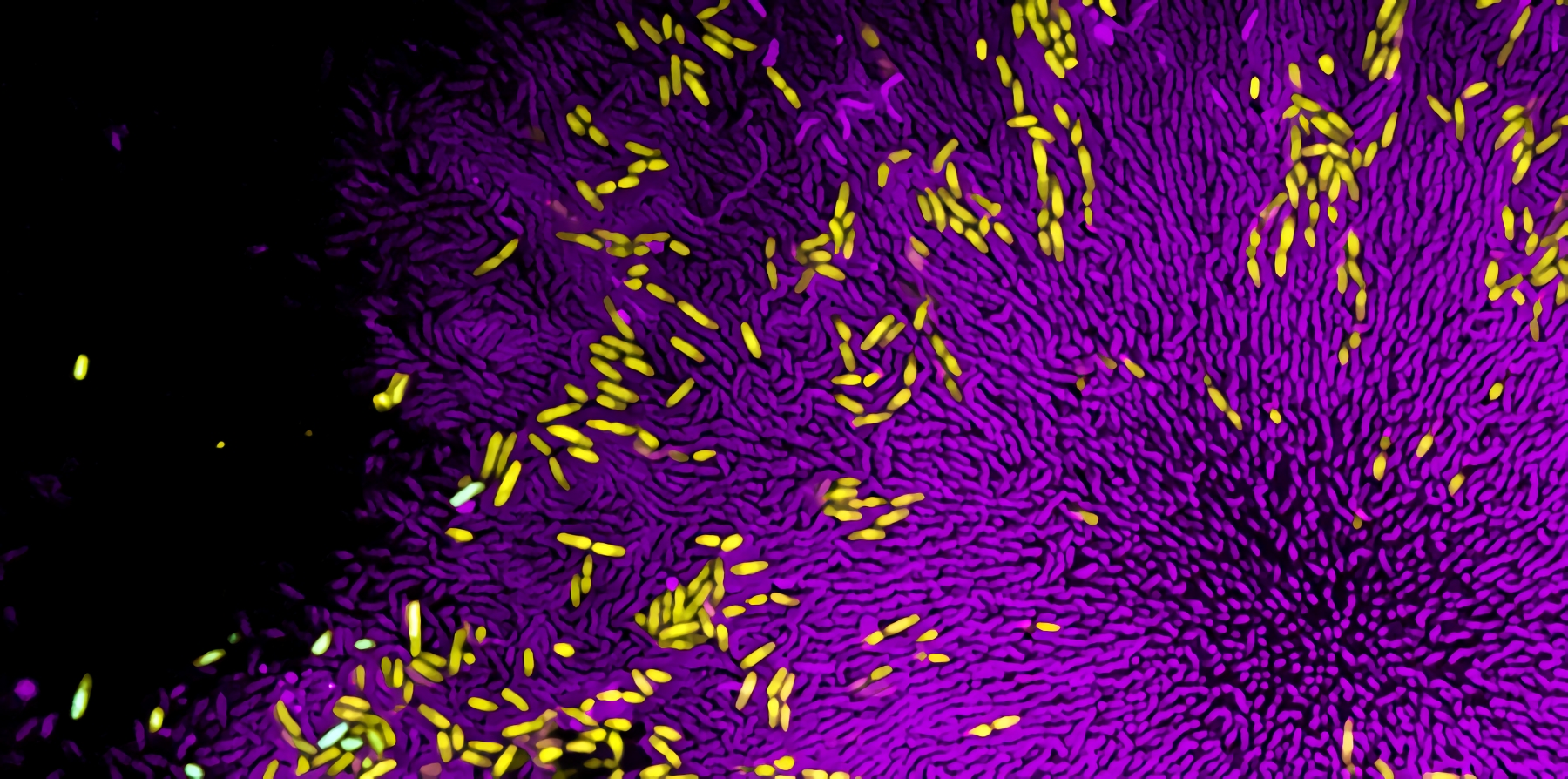
Harmful bacteria can elude predators when in mixed colonies

 Colonies of the bacterium V. cholerae (purple) insulate E. coli (yellow) from its natural predator
Image Credit: James Winans

Efforts to fight disease-causing bacteria by harnessing their natural predators could be undermined when multiple species occupy the same space, according to a study by Dartmouth College researchers.

When growing in mixed colonies, some harmful bacteria may be able to withstand attacks from the bacteria and viruses that target them by finding protection inside groups of rival species, according to a report published in the Proceedings of the National Academy of Sciences.

The researchers found that the intestinal bacterium Escherichia coli became surrounded by tightly packed colonies of Vibrio cholerae — which causes the deadly disease cholera — when the species were grown together. These clusters protected E. coli from the bacteria Bdellovibrio bacteriovorus that preys on both species individually, but in the study could only kill the outer layer of V. cholerae. This left the unscathed cells of E. coli and V. cholerae insulated within the colonies free to multiply.

Thursday, May 11, 2023

Ancestral mitoviruses discovered in mycorrhizal fungi

Arbuscular mycorrhizal (AM) fungi in the Glomeromycotina colonize plant roots (left, micrograph) and deliver water and nutrients from soil (right).
Image Credit: Tatsuhiro Ezawa

A new group of mitochondrial viruses confined to the arbuscular mycorrhizal fungi Glomeromycotina may represent an ancestral lineage of mitoviruses.

Mitochondria are organelles in the cells of almost all eukaryotes — organisms with cells that have a nucleus. They were originally free-living bacteria capable of generating energy in the presence of oxygen; then engulfed by an ancestral eukaryotic cell where they became mitochondria, the site of cellular respiration and many important metabolic processes. In humans, dysfunctions of mitochondria are associated with aging and many diseases.

Bacteriophages are viruses that infect bacteria. As former bacteria, there are also viruses that infect mitochondria, known as mitoviruses, which evolved from bacteriophages. While mitoviruses have been found in fungi, plants, and invertebrates, they are not well studied.

Associate Professor Tatsuhiro Ezawa at Hokkaido University, Professor Luisa Lanfranco at University of Torino, and Dr. Massimo Turina at National Research Council of Italy (CNR) Torino led an international team to discover a new group of mitoviruses, called large duamitoviruses. Their findings were published in the journal mBio.

Monday, November 7, 2022

Call it a CRISPR conundrum

Model grass Brachypodium distachyon plant grown on liquid media.
Photo courtesy of Marta Torres, m-CAFEs postdoctoral researcher, Deutschbauer lab, Environmental Genomics and Systems Biology "
Credit: University of California, Lawrence Berkeley National Laboratory."

Bacteria use CRISPR-Cas systems as adaptive immune systems to withstand attacks from enemies like viruses. These systems have been adapted by scientists to remove or cut and replace specific genetic code sequences in a variety of organisms.

But in a new study, North Carolina State University researchers show that viruses engineered with a CRISPR-Cas system can thwart bacterial defenses and make selective changes to a targeted bacterium – even when other bacteria are in close proximity.

“Viruses are very good at delivering payloads. Here, we use a bacterial virus, a bacteriophage, to deliver CRISPR to bacteria, which is ironic because bacteria normally use CRISPR to kill viruses,” said Rodolphe Barrangou, the Todd R. Klaenhammer Distinguished Professor of Food, Bioprocessing and Nutrition Sciences at NC State and corresponding author of a paper describing the research published today in Proceedings of the National Academy of Sciences. “The virus in this case targets E. coli by delivering DNA to it. It’s like using a virus as a syringe.”

The NC State researchers deployed two different engineered bacteriophages to deliver CRISPR-Cas payloads for targeted editing of E. coli, first in a test tube and then within a synthetic soil environment created to mimic soil – a complex environment that can harbor many types of bacteria.

Saturday, August 28, 2021

Rice lab dives deep for DNA’s secrets

 The poor bacteriophages in Yang Gao’s lab are about to have a lot of bad days.

Yang Gao

That’s all to the good for the structural biologist, who has received a prestigious Maximizing Investigators’ Research Award for New and Early Stage Investigators from the National Institutes of Health to make the lives of viruses harder so ours can be better.

The five-year grant for $1.9 million, administered by the National Institute of General Medical Sciences, will help Gao and his group detail the mechanisms of proteins that produce copies of genomic DNA, and what can go awry when they’re either subjected to stress or face other barriers.

A better understanding of the structural framework of DNA replication, stress response and repair at the atomic level could help find new ways to target processes involved in a host of diseases, including cancer.

“We’re interested in the basic question of how DNA is replicated,” said Gao, an assistant professor of biosciences who joined Rice in 2019 with the backing of a grant from the Cancer Prevention and Research Institute of Texas. “We’ve known for a long time that DNA is a fragile molecule and subject to many different assaults, environmental and physiological, like ultraviolet from sunlight and oxidative species.

“So many things damage DNA,” he said. “Despite that, DNA replication has to keep on going, even if there are errors, with an enzyme called DNA polymerase and a motor called the helicase.”

A study of stress on bacteriophage T7 will help Rice structural biologist Yang Gao and his team to reveal the atomic-scale mechanisms of DNA replication. (Credit: Yang Gao Lab/Rice University)

These are part of the replisome, a complex chain of proteins that carry out DNA replication and help repair DNA on the fly. Part of their normal function is to catch and fix coding errors. “When they see something bad they call for help, either before or after replication,” Gao said. “But how that works is still unknown, and we want to figure it out.”

The lab will start with the T7 bacteriophage, a virus whose infection mechanism in Escherichia coli bacteria is a good analog for what happens in humans.

“During my postdoc, we solved the first structure of T7 replisome to show how T7 comes together at a replication site,” he said. “We’ve continued that work at Rice, and we’re using the system to explore how it deals with different damages.”

The lab will then study the structure of mitochondria, the “power plants” inside cells, to see how DNA mutations produced there could lead to genetic diseases. “These two systems are mechanistically similar, and because we have experience with T7 and we’ve recently established a mitochondrial hub, we’re in a good position to start this investigation,” Gao said.

He noted he will continue to collaborate with Rice physicist Peter Wolynes and his group, which produces models that advance the theory of DNA replication. The lab also plans to make use of a new transmission electron microscope pegged for Rice’s BioScience Research Collaborative.

Press Release
Source / Credit: Rice University

Monday, December 29, 2025

Virology: In-Depth Description

Image Credit: Scientific Frontline / AI generated

Virology is the branch of biological science dedicated to the study of viruses—submicroscopic, parasitic particles of genetic material contained in a protein coat—and virus-like agents. Its primary goal is to understand the structure, classification, and evolution of these pathogens, their mechanisms of infection and exploitation of host cells, and their interactions with host organism physiology and immunity.

Tuesday, September 13, 2022

Ural Scientists Develop Technology to Correct Genetic Defects

According to Mikhail Bolkov, a regulatory framework is also needed for genetic intervention therapy. Photo credit: Ilya Safarov

Scientists at the Institute of Immunology and Physiology of the Ural Branch of the Russian Academy of Sciences and UrFU develop methods for genetic diagnosis and therapy of diseases caused by primary immunodeficiency. This is a congenital malfunction of one or more parts of the immune system that predisposes to the development of frequent, prolonged, hard-to-treat diseases, not only infectious but also autoimmune, autoinflammatory and oncological diseases. For example, systemic lupus erythematosus, various vasculitis, chronic pneumonia, and even hair loss.

Today, primary immunodeficiencies are treated with replacement therapy and hematopoietic stem cell transplantation. However, the treatment of such diseases promises to become more effective by replacing genetic defects in human DNA. Mikhail Bolkov, a Senior Researcher at the Department of Immunochemistry of Ural Federal University and the Institute of Immunology and Physiology of the Ural Branch of the Russian Academy of Sciences, spoke about this on the air of Radio "Komsomolskaya Pravda".

Friday, November 25, 2022

New CRISPR-based tool inserts large DNA sequences at desired sites in cells

Building on the CRISPR gene-editing system, MIT researchers designed a new tool that can snip out faulty genes and replace them with new ones.
Image Credit: Sangharsh Lohakare

Building on the CRISPR gene-editing system, MIT researchers have designed a new tool that can snip out faulty genes and replace them with new ones, in a safer and more efficient way.

Using this system, the researchers showed that they could deliver genes as long as 36,000 DNA base pairs to several types of human cells, as well as to liver cells in mice. The new technique, known as PASTE, could hold promise for treating diseases that are caused by defective genes with a large number of mutations, such as cystic fibrosis.

“It’s a new genetic way of potentially targeting these really hard to treat diseases,” says Omar Abudayyeh, a McGovern Fellow at MIT’s McGovern Institute for Brain Research. “We wanted to work toward what gene therapy was supposed to do at its original inception, which is to replace genes, not just correct individual mutations.”

The new tool combines the precise targeting of CRISPR-Cas9, a set of molecules originally derived from bacterial defense systems, with enzymes called integrases, which viruses use to insert their own genetic material into a bacterial genome.

Thursday, April 9, 2026

Slice and dice

Caption:SNIPE, which stands for surface-associated nuclease inhibiting phage entry, is a bacterial defense system that contains a nuclease domain that cleaves genetic material, chopping up the invading viral phage genome into harmless fragments as it is injected into the bacteria’s cytoplasm through the bacteria’s protective membrane. When the nuclease domain of SNIPE was mutated so it couldn’t chop up DNA, bacteria succumbed to viral phage infection.
Image Credit: Lillian Eden/Department of Biology

Scientific Frontline: Extended "At a Glance" Summary
: SNIPE Bacterial Defense

The Core Concept: SNIPE (surface-associated nuclease inhibiting phage entry) is a newly characterized bacterial defense system that protects host cells by utilizing a membrane-bound nuclease to cleave invading bacteriophage DNA.

Key Distinction/Mechanism: Unlike typical bacterial nucleases that float freely in the cytoplasm, SNIPE is anchored to the bacterial protective membrane. It operates as a direct defense system, obliterating viral genetic material immediately during injection, which allows the infected host cell to survive the attack rather than succumbing to infection or triggering programmed cell death.

Major Frameworks/Components

  • Membrane-Bound Nuclease Domain: The enzymatic component that actively chops up the invading phage genome into harmless fragments before it can hijack the host's molecular machinery.
  • Subcellular Localization: Anchoring the system to the cellular periphery prevents SNIPE from inadvertently interacting with and destroying the bacteria's own internal genetic material.
  • Transmembrane Protein Interactions: The system detects viral entry by interacting with a bacterial membrane protein called ManYZ and the invading phage's "tape measure" protein as the virus tunnels through the cellular barrier.

Sunday, November 2, 2025

What Is: The Human Microbiome

The Human Microbiome
Image Credit: Scientific Frontline stock image

The Invisible Organ

The human body is not a sterile, solitary entity. It is a dense, complex, and dynamic ecosystem. Each individual serves as a host to a vast community of microorganisms, collectively known as the human microbiota. This community, which resides in and on the body, is estimated to comprise between 10 trillion and 100 trillion symbiotic microbial cells. Early estimates, which have become a cornerstone of the field, suggested these microbial cells outnumber human cells by a ratio of ten to one. While more recent analyses propose a ratio closer to 1:1, the sheer scale of this microbial colonization remains staggering. These microbial cells, though only one-tenth to one-hundredth the size of a human cell, may account for up to five pounds of an adult's body weight.

This vast microbial community is not a passive passenger. It functions as a "virtual organ" of the body, or more precisely, a "metabolic organ". It is so deeply integrated into our physiology that we are dependent on it for essential life functions, including digestion, immune system development, and the production of critical nutrients.

Thursday, August 11, 2022

MIT scientists discover new antiviral defense system in bacteria

A team led by researchers at the Broad Institute of MIT and Harvard and the McGovern Institute for Brain Research at MIT has discovered that organisms across all three domains of life — bacteria, archaea, and eukaryotes (which includes plants and animals) — use pattern recognition of conserved viral proteins to defend against pathogens.
Credits: Image courtesy of Feng Zhang

Bacteria use a variety of defense strategies to fight off viral infection, and some of these systems have led to groundbreaking technologies, such as CRISPR-based gene-editing. Scientists predict there are many more antiviral weapons yet to be found in the microbial world.

A team led by researchers at the Broad Institute of MIT and Harvard and the McGovern Institute for Brain Research at MIT has discovered and characterized one of these unexplored microbial defense systems. They found that certain proteins in bacteria and archaea (together known as prokaryotes) detect viruses in surprisingly direct ways, recognizing key parts of the viruses and causing the single-celled organisms to commit suicide to quell the infection within a microbial community. The study is the first time this mechanism has been seen in prokaryotes and shows that organisms across all three domains of life — bacteria, archaea, and eukaryotes (which includes plants and animals) — use pattern recognition of conserved viral proteins to defend against pathogens.

The study appears in Science.

Featured Article

Fibromyalgia's Genetic Risk Factors Found

Image Credit:  Anirudh Scientific Frontline: Extended "At a Glance" Summary : Genetic Risk Factors of Fibromyalgia The Core Concep...

Top Viewed Articles