. Scientific Frontline: Search results for viruses
Showing posts sorted by relevance for query viruses. Sort by date Show all posts

Monday, October 17, 2022

Virologists close gap on unknown viruses affecting amphibians and reptiles

It took three years to identify the virus that all but wiped out the Bellinger River turtle in 2015. It is hoped that amassing new viral data affecting herptiles will allow quicker conservation responses.
Credit: Pelagic
(CC BY-SA 4.0)

Scientific Frontline: Extended "At a Glance" Summary: Amphibian and Reptile Virology

The Core Concept: Researchers have identified 26 novel viruses in amphibians and reptiles by analyzing petabytes of RNA datasets, significantly closing the knowledge gap in non-mammalian viral infections. This research helps illuminate the long-term evolutionary pathways of viruses from primordial hosts to modern vertebrates.

Key Distinction/Mechanism: Unlike traditional virological studies that primarily focus on pathogens affecting humans and livestock, this research utilizes high-performance supercomputing to perform bioinformatic mining on public herptile RNA data. The study reveals that viruses adapting to cold-blooded hosts possess structurally simpler architectures than those affecting warm-blooded animals.

Major Frameworks/Components:

  • Bioinformatic Data Mining: The utilization of supercomputers to process over 200 public RNA datasets to uncover previously unknown viral genomes.
  • Viral Taxonomic Restructuring: The continued expansion of the Secondpapillomavirinae group, indicating a vast reservoir of simpler, undiscovered viruses in non-mammalian animals.
  • Evolutionary Tracking: Tracing the adaptive trajectory and structural complexification of viruses as they evolved alongside hosts from fish and amphibians to mammals and birds.
  • Viral "Dark Matter" Exploration: Mapping unknown viral genomes to eliminate diagnostic blind spots during sudden wildlife mortality events.

Monday, June 27, 2022

Virus Discovery Offers Clues About Origins of Complex Life

Comparison of all known virus genomes. Those viruses with similar genomes are grouped together including those that infect bacteria (on the left), eukaryotes (on the right and bottom center). The viruses that infect Asgard archaea are unique from those that have been described before.
Image Credit: University of Texas at Austin.

Scientific Frontline: Extended "At a Glance" Summary: Viruses Infecting Asgard Archaea

The Core Concept: Researchers have discovered the first known viruses to infect Asgard archaea, a group of microbes hypothesized to be the direct evolutionary ancestors of all complex life forms.

Key Distinction/Mechanism: Unlike previously known viral strains, these recovered Asgard viruses are uniquely transitional, displaying characteristics of viruses that infect both eukaryotes and prokaryotes, including the ability to replicate their own DNA and hijack the host's protein modification systems.

Major Frameworks/Components:

  • Viral Eukaryogenesis Hypothesis: The debated concept that viruses contributed vital genetic components to the early development of eukaryotes.
  • Hybrid Organism Hypothesis: The foundational theory that complex cellular life originated when archaea and bacteria initially merged.
  • CRISPR Array Identification: The bioinformatic methodology of utilizing repeating DNA regions containing small viral fragments to identify stealthy, previously unknown viral invaders.

Tuesday, August 30, 2022

Novel Coronaviruses Are Riskiest for Spillover

A wildlife surveillance team member samples a bumblee bat for viruses in Myanmar.
Credit: Smithsonian Conservation Biology Institute

In the past decade, scientists have described hundreds of novel viruses with the potential to pass between wildlife and humans. But how can they know which are riskiest for spillover and therefore which to prioritize for further surveillance in people?

Scientists from the University of California, Davis created network-based models to prioritize novel and known viruses for their risk of zoonotic transmission, which is when infectious diseases pass between animals and humans.

Their study, published in the journal Communications Biology, provides further evidence that coronaviruses are riskiest for spillover and should continue to be prioritized for enhanced surveillance and research.

The machine learning models were designed by the EpiCenter for Disease Dynamics at the UC Davis One Health Institute in the School of Veterinary Medicine.

Prioritizing novel viruses

The models found that novel viruses from the coronavirus family are expected to have a larger number of species as hosts. This is consistent with known viruses, indicating this family of viruses should be most highly prioritized for surveillance.

Tuesday, March 31, 2026

Getting a glimpse of viral dances in the dark in the Sargasso Sea

Water samples were collected from the surface and in an area called the deep chlorophyll maximum near Bermuda in the Atlantic Ocean.
Photo Credit: Steven Wilhelm

Scientific Frontline: "At a Glance" Summary
: Viral Activity in the Sargasso Sea

  • Main Discovery: Researchers discovered that marine viruses exhibiting cyclical behavior are predominantly active at night, specifically targeting heterotrophic microbes that consume organic matter rather than the expected photosynthetic bacteria.
  • Methodology: Scientists collected marine water samples from both the ocean surface and the deep chlorophyll maximum over a continuous 112-hour period, extracting surface water every four hours and deep water every twelve hours to track temporal microbial changes.
  • Key Data: Among the more than 48,000 viral species identified in the samples, nearly 3,100 displayed diel (24-hour cyclical) behavior, with approximately 90% of these rhythmic viruses reaching their peak abundance during the night.
  • Significance: The findings expose a previously unknown layer of complexity within marine microbial networks, shifting the understanding of how nocturnal viral infections influence carbon cycling and the broader ecological services provided by the world's oceans.
  • Future Application: This high-resolution temporal data will be integrated into advanced ocean modeling systems to more accurately predict how marine ecosystems and carbon frameworks will respond to climate change variables, such as warming temperatures and increased water acidification.
  • Branch of Science: Marine Microbiology, Virology, Oceanography
  • Additional Detail: Concurrent advancements from the research team include the development of vConTACT3, a knowledge-guided machine learning tool that rapidly classifies fragmented viral genomes across a broad biological spectrum, significantly accelerating future virology research.

Thursday, June 9, 2022

How ‘viral dark matter’ may help mitigate climate change

A network-based ecological interaction analysis showed the diversity of RNA viral species was higher than expected in the Arctic and Antarctic.
Photo Credit: Tara Ocean Foundation

Scientific Frontline: Extended "At a Glance" Summary: Marine RNA Viruses and Carbon Export

The Core Concept: Researchers have identified 5,500 new marine RNA virus species, uncovering their vital ecological role in driving atmospheric carbon into permanent storage on the ocean floor.

Key Distinction/Mechanism: Unlike marine DNA viruses that predominantly infect bacteria, these marine RNA viruses primarily target microbial eukaryotes and fungi. They utilize "stolen" auxiliary metabolic genes (AMGs) to reprogram host metabolism, forcing hosts—such as algae—to grow larger, die, and sink, thereby exporting digestible carbon to the deep ocean.

Major Frameworks/Components:

  • Utilization of computational genomics to reconstruct host-virus relationships from small RNA sequence fragments.
  • Classification of RNA virus communities into four marine ecological zones: Arctic, Antarctic, Temperate/Tropical Epipelagic, and Temperate/Tropical Mesopelagic.
  • Application of network-based ecological interaction analysis, revealing unexpectedly high RNA viral diversity in polar regions driven by intense competition for limited host species.
  • Discovery of 72 functionally distinct auxiliary metabolic genes (AMGs) across 95 RNA viruses, functioning as tools to hijack cellular carbon processing.
  • Mapping of 1,243 RNA virus species to carbon export pathways, isolating 11 highly conserved targets for future ecological modeling.

Friday, June 3, 2022

Real-time, accurate virus detection method could help fight the next pandemic

Scanning electron microscopy image showing carbon nanotubes (purple) effectively trapping Influenza viruses (light purple round objects). These trapped viruses are then analyzed by Raman spectroscopy and machine learning and they can be identified with accuracies >95%.
Credit: Elizabeth Floresgomez and Yin-Ting Yeh.

A method of highly accurate and sensitive virus identification using Raman spectroscopy, a portable virus capture device and machine learning could enable real-time virus detection and identification to help battle future pandemics, according to a team of researchers led by Penn State.

“This virus detection method is label-free and not aimed at any specific virus, thus enabling us to identify potential new strains of viruses,” said Shengxi Huang, assistant professor of electrical engineering and biomedical engineering and co-author of the study that appeared today (June 2) in the Proceedings of the National Academy of Sciences. “It is also rapid, so suitable for fast screening in crowded public spaces. In addition, the rich Raman features together with machine learning analysis enable a deeper understanding of the virus structures.”

Raman spectroscopy detects unique vibrations in molecules by picking up shifts when a laser light beam induces these vibrations. To capture the viruses, a tool known as a microfluidic device would be used to trap viruses between forests of aligned carbon nanotubes.

Microfluidic devices use very small amounts of body fluids on a microchip to do medical and laboratory tests. Such a device could use virus cultures, saliva, nasal washes, or even exhaled breath, including samples gathered on-site during an outbreak. The carbon nanotubes forests would filter out any foreign substance or background molecules from the host or surrounding air that could make it more difficult to get an accurate reading.

Monday, December 29, 2025

Virology: In-Depth Description

Image Credit: Scientific Frontline / AI generated

Virology is the branch of biological science dedicated to the study of viruses—submicroscopic, parasitic particles of genetic material contained in a protein coat—and virus-like agents. Its primary goal is to understand the structure, classification, and evolution of these pathogens, their mechanisms of infection and exploitation of host cells, and their interactions with host organism physiology and immunity.

Thursday, March 23, 2023

Wastewater could be the key to tracking more viruses than just COVID-19

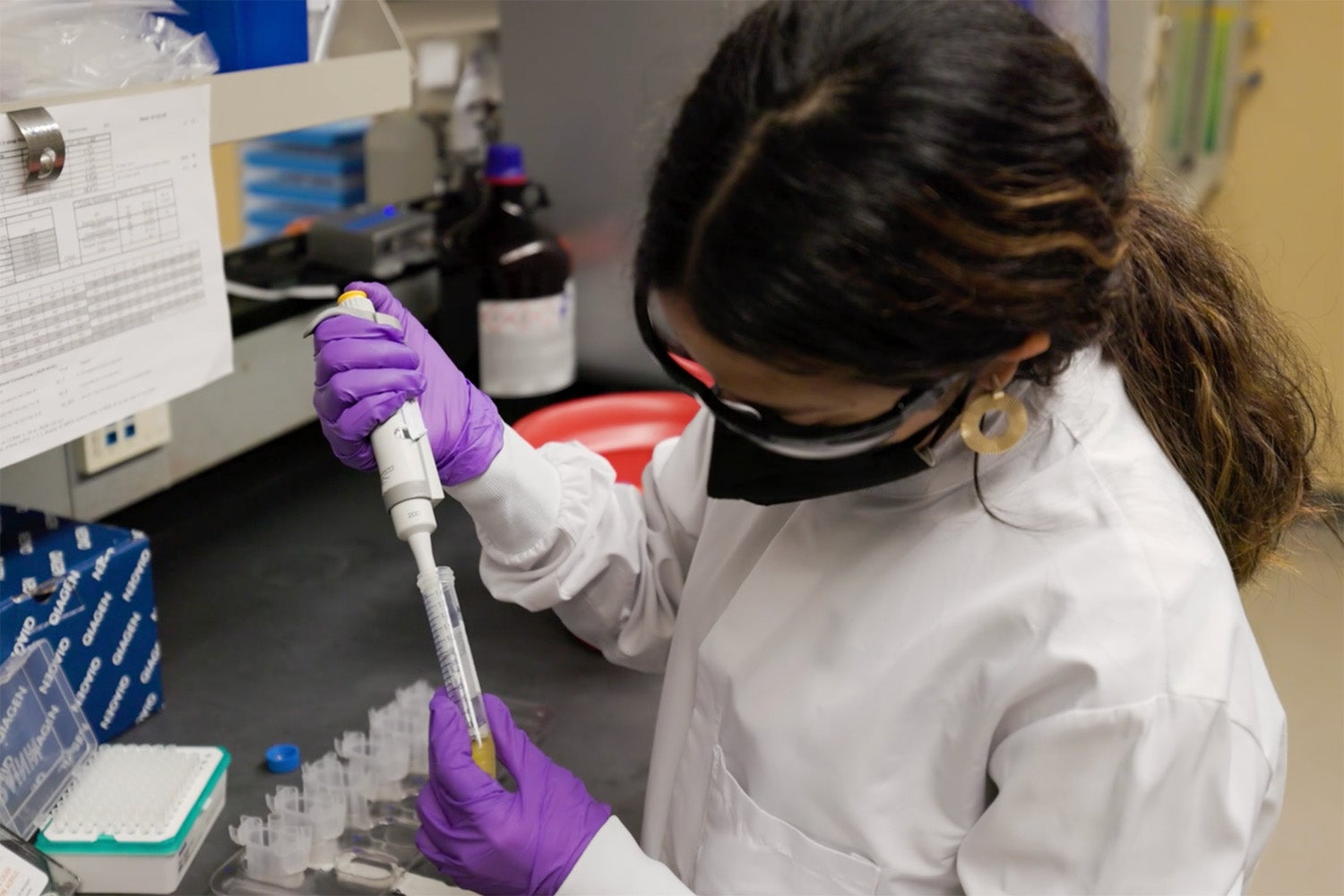
Boehm lab graduate student Winnie Zambrana showing how wastewater samples are processed to test for evidence of viruses.
Photo Credit: Harry Gregory

Researchers have developed methods for using wastewater to track the levels of various respiratory viruses in a population. This can provide real-time information about virus circulation in a community.

Public health experts commonly track spikes in flu, respiratory syncytial virus (RSV), and rhinovirus circulating in a population through weekly reports from sentinel laboratories. These laboratories process samples from only severely ill patients, and it can take weeks for the results to get into the database. Now, for the first time, researchers at Stanford University, in collaboration with Emory University and Verily Life Sciences, have collected fast and accurate readings of a whole suite of respiratory viruses in their local Santa Clara sewer system.

Wastewater is currently the only source for accurate information about COVID-19 rates in communities. PCR testing is no longer widely available, and most people swab themselves at home where their results never reach public health agencies.

Prior to COVID-19, respiratory viruses had not been tracked through wastewater. Most of the viruses the scientists tested for in this study had never been measured in wastewater before. The findings are published in the March 22 issue of The Lancet Microbe.

Wednesday, May 13, 2026

What Is: The Virome


Scientific Frontline: Extended "At a Glance" Summary
: The Virome

The Core Concept: The virome refers to the vast, complex, and heterogeneous collection of all viruses that are found in or on an organism, or within a specific environmental ecosystem.

Key Distinction/Mechanism: Historically relegated to the domain of clinical pathology and infectious disease, viruses are now understood to be the most abundant and influential biological entities on Earth, serving as architects of human physiology and ultimate regulators of global biogeochemical cycles. Rather than exclusively causing overt clinical disease, commensal viruses establish long-term, asymptomatic, and mutualistic relationships that act as continuous, low-level stimulants to the host's immune system, revealing a trans-kingdom functional redundancy that challenges the bacterial-centric view of the microbiome.

Major Frameworks/Components:

  • Eukaryotic Viruses: These agents establish persistent or latent infections that constantly shape the host's immunophenotype, conferring basal levels of innate resistance against novel external pathogens.
  • Bacteriophages: Functioning as the apex predators of the microscopic world, phages exclusively infect bacteria to rigorously regulate bacterial population density, mediate the horizontal transfer of genetic material, and form protective antimicrobial layers on mucosal surfaces.
  • Archaeal Viruses: These distinct entities specifically infect the archaeal domain, deeply influencing archaeal population dynamics and participating in metabolic regulation within complex ecological niches like the deep gastrointestinal tract.
  • Endogenous Retroviruses (HERVs): These ancient viral sequences retain potent regulatory functions and have been domesticated for critical life-sustaining processes, such as mammalian placentation via the syncytin protein. Conversely, the aberrant expression of these ancient viral elements is now heavily implicated in severe, progressive neurodegenerative diseases such as Multiple Sclerosis (MS) and Amyotrophic Lateral Sclerosis (ALS).

Monday, June 12, 2023

Gentle cleansers kill viruses as effectively as harsh soaps

Photo Credit: Maria Lin Kim

Gentle cleansers are just as effective in killing viruses – including coronavirus – as harsh soaps, according to a new study from scientists at the University of Sheffield 

Healthcare professionals often substitute alcohol-based hand sanitizers and harsh soaps for skin-friendly cleansers in order to treat or prevent irritant contact dermatitis, which develops when chemical or physical agents damage the skin surface faster than the skin can repair

Incidence and severity of irritant contact dermatitis increased from 20 per cent to 80 per cent amongst healthcare professionals during the Covid-19 pandemic

Researchers also found non-enveloped viruses such as norovirus were resistant to all hand wash products tested, and were only killed with bleach disinfectants, which aren’t a feasible option for washing hands 

Gentle cleansers are just as effective in killing viruses – including coronavirus – as harsh soaps, a new study by University of Sheffield experts has found.

Wednesday, November 1, 2023

The Unraveling of a Protist Genome Could Unlock the Mystery of Marine Viruses

Light-microscopy image of clusters of Aurantiochytrium limacinum cells. The marine protist is prevalent in the world’s oceans.
Image Credits: Laura Halligan, Joshua Rest and Jackie Collier

Viruses are the most prevalent biological entities in the world’s oceans and play essential roles in its ecological and biogeochemical balance. Yet, they are the least understood elements of marine life. By unraveling the entire genome of a certain marine protist that may act as a host for many viruses, an international research team led by scientists from Stony Brook University sets the stage for future investigations of marine protist genomes, marine microbial dynamics and the evolutionary interplay between host organisms and their viruses — work that may open doors to a better understanding of the “invisible” world of marine viruses and offers a key to the ecology and health of oceans worldwide. The research is published early online in Current Biology.

Food webs of the oceans provide humanity with essential food sources as well as the wonderment of sea creatures from polar bears to penguins. This wellspring of life is supported mainly by microscopic organisms, including the wide presence of viruses. Learning more about the viruses through DNA research and other forms of investigation is essential to scientists’ understanding of the sea. Novel groups of viruses are still being discovered, such as the recently discovered “mirusvirues” featured in a Nature paper earlier this year.

Monday, January 16, 2023

Highly accurate test for common respiratory viruses uses DNA as ‘bait’

Doctor examining a patient
Photo Credit: Thirdman

The test uses DNA ‘nanobait’ to detect the most common respiratory viruses – including influenza, rhinovirus, RSV and COVID-19 – at the same time. In comparison, PCR (polymerase chain reaction) tests, while highly specific and highly accurate, can only test for a single virus at a time and take several hours to return a result.

While many common respiratory viruses have similar symptoms, they require different treatments. By testing for multiple viruses at once, the researchers say their test will ensure patients get the right treatment quickly and could also reduce the unwarranted use of antibiotics.

In addition, the tests can be used in any setting, and can be easily modified to detect different bacteria and viruses, including potential new variants of SARS-CoV-2, the virus which causes COVID-19. The results are reported in the journal Nature Nanotechnology.

The winter cold, flu and RSV season has arrived in the northern hemisphere, and healthcare workers must make quick decisions about treatment when patients show up in their hospital or clinic.

Tuesday, September 27, 2022

To Stop Viruses, SDSU Researchers are Figuring Out How They're Built

Multiple protein subunits (green, purple and red) of a plant-infecting virus have separate nucleation and growth phases similar to the MS2 bacteria-infecting virus (right).
Source: Protein Data Bank.

An SDSU team, along with Harvard and UCLA collaborators, are researching how distantly related viruses self-organize to improve disease-fighting tactics.

Without a multi-page instruction manual or a commanding Captain America, how do viruses assemble hundreds of individual pieces into elaborate structures capable of spreading disease?

Solving the secret of self-assembly can pave the way for engineering advancements like molecules and robots that put themselves together. It could also contribute to more efficient packaging, automated delivery and targeted design of medicine in the fight against viruses that cause colds, diarrhea, liver cancer and polio.

“If we understand the physical rules of how viruses assemble, then we can try to make them form incorrect structures to hinder their spread,” said Rees Garmann, a chemist at San Diego State University and lead author of a new paper published in the journal PNAS that fills in a piece of the puzzle.

Wednesday, April 15, 2026

New blood test may improve mapping of mosquito-borne viruses

Chikungunya virus is spread, among others, by the Asian tiger mosquito (Aedes albopictus).
Photo Credit: FotoshopTofs

Scientific Frontline: Extended "At a Glance" Summary
: Multiplex Serological Mapping of Mosquito-Borne Viruses

The Core Concept: A newly developed, antibody-based diagnostic tool combined with mathematical modeling designed to accurately map the transmission dynamics of mosquito-borne viral diseases such as dengue, Zika, chikungunya, and Mayaro.

Key Distinction/Mechanism: Standard serological tests often struggle with cross-reactivity when a patient is exposed to closely related viruses, leading to false positives. This novel method actively distinguishes between a genuine previous infection and cross-reactive antibody responses, utilizing complementary filtration techniques to confirm virus-specific reactions.

Major Frameworks/Components

  • Multiplex Serological Assay: The simultaneous measurement of antibodies against 28 distinct viral proteins from nine different mosquito-borne viruses.
  • Mathematical Modeling Integration: The pairing of experimental laboratory data with mathematical models to accurately estimate regional virus transmission over time.
  • Antibody Depletion Method: A complementary technique used to systematically remove cross-reactive antibodies from blood samples, verifying whether a reaction is specific to the target virus.

Friday, September 9, 2022

Scientists Create Mathematical Model for Nanoparticle and Virus Dynamics in Cells

Dmitry Aleksandrov and Sergey Fedotov (left to right) determined the behavior of viruses in cells.
 Photo credit: Ilya Safarov

Physicists and mathematicians at the Ural Federal University and the University of Manchester have for the first time created a complex mathematical model that calculates the distribution of nanoparticles (particularly viruses) in living cells. Using the mathematical model, scientists have figured out how nanoparticles cluster (merge into a single particle) inside cells, namely in cellular endosomes, which are responsible for sorting and transporting proteins and lipids.

These calculations will be useful for medical purposes because, on the one hand, they show how viruses behave when they enter cells and tend to replicate. On the other hand, the model allows the exact amount of medication needed for therapy to be as effective as possible and with minimal side effects. The scientists published the model description and calculation results in Crystals, Cancer Nanotechnology and Mathematics.

"The processes in cells are extremely complex, but in simple terms, viruses use different variants to reproduce. Some deliver genetic material directly into the cytoplasm. Others use the endocytosis pathway: they deliver the viral genome by releasing it from the endosomes. If viruses stay in the endosomes, the acidity increases there, and they die in the lysosomes. So, our model allowed us to find out, first of all, when and which viruses "escape" from endosomes in order to survive. For example, some influenza viruses are low-pH-dependent viruses; they fuse with the endosome membrane and release their genome into the cytoplasm. Secondly, we found out that it is easier for viruses to survive in endosomes during clustering, when two particles merge and tend to form a single particle," says Dmitry Aleksandrov, Head of the Multi-Scale Mathematical Modeling Laboratory at UrFU.

Wednesday, November 2, 2022

Viruses can ‘hitchhike’ on microplastics

Photo Credit: Naja Bertolt Jensen

Microplastics are not just tiny particles that can be ingested, they can also carry viruses, a University of Queensland study has revealed.

The study, led by Associate Prof Jianhua Guo and Dr Ji Lu from UQ’s Australian Centre for Water and Environmental Biotechnology (ACWEB), investigated if microplastics have the ability to harbor viruses, including the one found inside E. coli bacteria.

“We often hear about the human and environmental harm caused by microplastics in water, but there is little known about whether the tiny microplastic particles can carry viruses,” Dr Guo said.

“What we found is that viruses can hitchhike on microplastics and prolong their infectivity, which means there could be an increased risk of virus transmission throughout waterways and the environment.”

Dr Lu said they used the E. coli bacteriophage in the study, which is a virus that infects and replicates within the bacteria itself and is not harmful to humans.

Tuesday, October 18, 2022

Attack on 2 fronts leads ocean bacteria to require carbon boost

The study is the first to observe these complex interactions under the ocean surface: photosynthetic bacteria simultaneously infected with viruses and floating in the presence of organisms, called protists, that eat them. Photo Credit: Matt Hardy

The types of ocean bacteria known to absorb carbon dioxide from the air require more energy – in the form of carbon – and other resources when they’re simultaneously infected by viruses and face attack from nearby predators.

Viruses are abundant in the ocean, and research now suggests that marine viruses have beneficial functions, including helping to drive carbon absorbed from the atmosphere to permanent storage on the ocean floor. When viruses infect other microbes in that environment (and anywhere, in fact), the interaction results in creation of entirely new organisms called “virocells.”

In this new study, researchers worked with cyanovirocells – cyanobacteria that absorb carbon and release oxygen through photosynthesis that have been infected with viruses. The analysis of changes in the infected bacteria’s gene activation and metabolism under lab conditions designed to mimic nature hints at an intriguing possibility: The dual threat of viral infection and drifting among hungry predator microbes might lead cyanovirocells to take in more carbon.

Tuesday, March 24, 2026

Study: Bumblebees are hosts for dangerous bee virus

Red-tailed bumblebees can act as hosts for a dangerous bee virus.
Photo Credit: Uni Halle / Patrycja Pluta

Scientific Frontline: Extended "At a Glance" Summary
: Viral Transmission Dynamics in Multispecies Bee Communities

The Core Concept: Wild red-tailed bumblebees (Bombus lapidarius) act as the primary reservoir hosts for the acute bee paralysis virus (ABPV), carrying the pathogen with minimal harm while posing a fatal transmission risk to vulnerable honeybee populations.

Key Distinction/Mechanism: Historically, scientific consensus held that managed honeybees were the primary source of viral infections, spilling pathogens over into wild bee populations. This research fundamentally shifts that paradigm by demonstrating that wild bumblebees can serve as the key epidemiological reservoir for certain viruses, transmitting the pathogen back to honeybees via contaminated pollen and nectar at shared floral feeding sites.

Major Frameworks/Components

  • Epidemiological Modeling: Utilization of the basic reproduction number (\(R_0\)) to quantify and estimate the specific viral spread potential from one insect to others of the same species.
  • Multispecies Network Analysis: Observational tracking of shared floral visitation patterns among diverse bee species to map potential interspecies transmission nodes.
  • Comprehensive Pathogen Screening: Molecular virus screening of 1,725 insects to determine host-specific viral prevalence and vector capabilities.
  • Differentiated Host Profiling: Identification of distinct primary hosts for specific pathogens (e.g., honeybees as main carriers for deformed wing virus and black queen cell virus; red-tailed bumblebees for acute bee paralysis virus).

Sunday, September 5, 2021

Coronavirus Epidemics first hit more than 21,000 years ago


Sarbecoviruses have crossed into humans twice in the last decade, leading to the deadly SARS-CoV-1 outbreak in 2002-04 and the current COVID-19 pandemic, caused by the SARS-CoV-2 virus.  A new Oxford University Study, published today, shows that the most recent common ancestor of these viruses existed more than 21,000 years ago, nearly 30 times older than previous estimates.

‘Finding the evolutionary origins of pandemic viral infections such as COVID-19 help us understand how long humanity may have been exposed to these viruses, how frequently they might have caused disease outbreaks in the past, and how likely they might be to cause novel outbreaks in future.’ Said Prof Katzourakis, who led the work.

Despite having a very rapid rate of evolution over short timescales, to survive, viruses must remain highly adapted to their hosts - this imposes severe restrictions on their freedom to accumulate mutations without reducing their fitness. This causes the apparent rate of evolution of viruses to slow down over time. The new research, for the first time, successfully recreates the patterns of this observed rate decay in viruses. 

‘We developed a new method that can recover the age of viruses over longer timescales and correct for a kind of ‘evolutionary relativity’, where the apparent rate of evolution depends on the timescale of measurement. Our estimate based on viral sequence data, of more than 21,000 years ago, is in remarkable concordance with a recent analysis on human genomic dataset that suggests infection with an ancient coronavirus around the same time.’ Said Mahan Ghafari, from Oxford University.

The study also demonstrates that while existing evolutionary models have often failed to measure the divergence between virus species over periods - from a few hundred to a few thousands of years - the evolutionary framework developed in this study will enable the reliable estimation of virus divergence across vast timescales, potentially over the entire course of animal and plant evolution. 

The new model enables us to not only reconstruct the evolutionary history of viruses related to SARS-CoV-2, but also a much wider range of RNA and DNA viruses during more remote periods in the past. 

The model predictions for hepatitis C virus - a leading global cause of liver disease - are consistent with the idea that it has circulated for nearly a half a million years. HCV may thus have spread worldwide as an intrinsic part of the “Out-of-Africa” migration of modern humans around 150,000 years ago. 

The different genotypes of HCV indigenous to human populations in South and South-East Asia and Central Africa may have originated over this prolonged period and this revised timescale may resolve the longstanding riddle of their global distributions. 

‘With this new technique we can look much more widely at other viruses; re-evaluate the timescales of their deeper evolution and gain insights into host relationships that are key to understanding their ability to cause disease.’ Prof Simmonds, Oxford University

Source / Credit: University of Oxford

med090521_01

Sunday, September 11, 2022

Researchers develop plastic film that can kill viruses using room lights

Credit: Queen's University Belfast

The self-sterilizing film is the first of its kind – it is low cost to produce, can be readily scaled and could be used for disposable aprons, tablecloths, and curtains in hospitals.

It is coated with a thin layer of particles that absorb UV light and produce reactive oxygen species – ROS. These kill viruses, including SARS2.

The technology used to create the film also ensures it is degradable - unlike the current disposable plastic films it would replace, which is much more environmentally friendly.

The breakthrough could lead to a significant reduction in the transmission of viruses in healthcare environments but also in other settings that use plastic films – for example, food production factories.

The Queen’s researchers tested the film for anti-viral activity using four different viruses – two strains of influenza A virus, a highly-stable picornavirus called EMCV and SARS2 – exposing it to either UVA radiation or with light from a cool white light fluorescent lamp.

They found that the film is effective at killing all of the viruses - even in a room lit with just white fluorescent tubes.

Featured Article

CRISPR system inhibits hepatitis E virus

There is currently no specific treatment for hepatitis E.  Image Credit: © RUB, Marquard Scientific Frontline: Extended "At a Glance...

Top Viewed Articles