. Scientific Frontline

Thursday, May 19, 2022

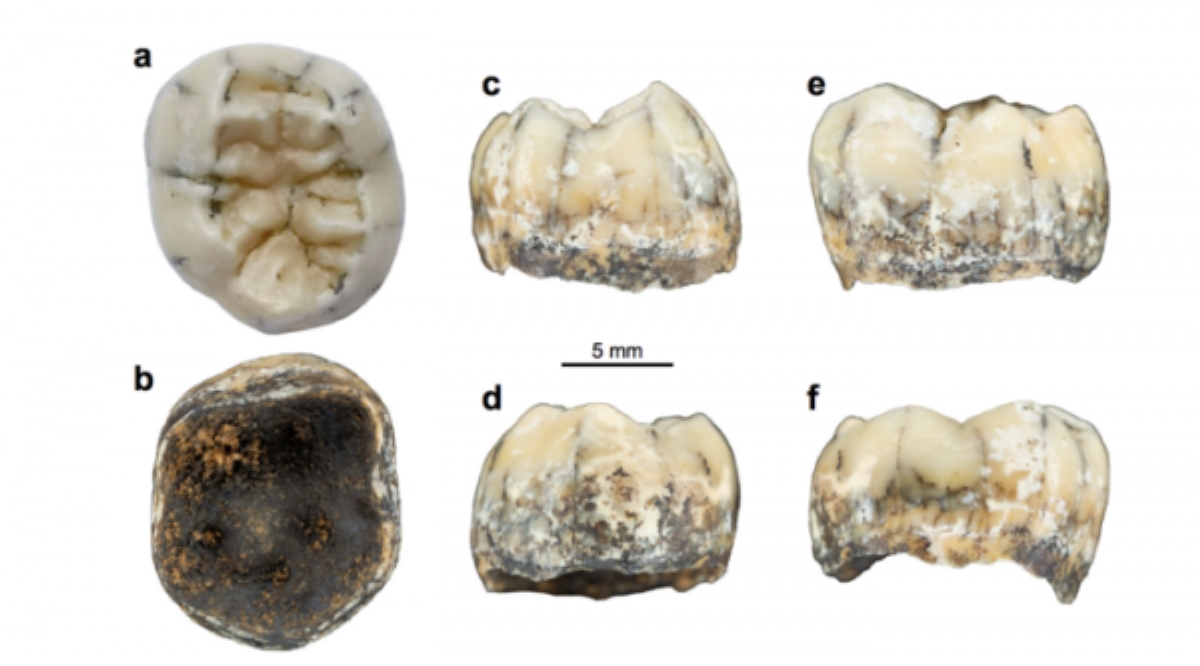
Tooth unlocks mystery of Denisovans in Asia

Views of the TNH2-1 specimen
Credit: Flinders University

What links a finger bone and some fossil teeth found in a cave in the remote Altai Mountains of Siberia to a single tooth found in a cave in the limestone landscapes of tropical Laos?

The answer to this question has been established by an international team of researchers from Laos, Europe, the US and Australia.

The human tooth was chanced upon during an archaeological survey in a remote area of Laos. The scientists have shown it originated from the same ancient human population first recognized in Denisova Cave (dubbed the Denisovans), in the Altai Mountains of Siberia (Russia).

The research team made the significant discovery during their 2018 excavation campaign in northern Laos. The new cave Tam Ngu Hao 2, also known as Cobra Cave, is located near to the famous Tam Pà Ling Cave where another important 70,000-year-old human (Homo sapiens) fossils had been previously found.

The international researchers are confident the two ancient sites are linked to Denisovans occupations despite being thousands of kilometers apart.

How ice clouds develop – Asian monsoon influences large parts of the Northern Hemisphere

Air pollutants form the condensation nuclei for ice clouds or cirrus clouds (here: Cirrus spissatus). When ammonia, nitric acid and sulfuric acid are present together, they form such condensation nuclei particularly effectively.
Credit: Joachim Curtius, Goethe-University Frankfurt

Atmospheric researchers from the international CLOUD consortium have discovered a mechanism that allows nuclei for ice clouds to form and rapidly grow in the upper troposphere. The discovery is based on cloud chamber experiments to which a team from Goethe University contributed highly specialized measurements. Although the conditions for nucleus formation are only fulfilled in the Asian monsoon region, the mechanism is expected to have an impact on ice cloud formation across large parts of the Northern Hemisphere. 

The Asian monsoon transports enormous amounts of air from atmospheric layers close to Earth's surface to a height of around 15 kilometers. Like in a gigantic elevator, human-induced pollutants also end up in the upper troposphere in this way. A research team from the CLOUD consortium (Cosmics Leaving Outdoor Droplets), including atmospheric researchers from Goethe University in Frankfurt, have reproduced the conditions prevailing there, among them cosmic radiation, in their experimental chamber at the CERN particle accelerator center in Geneva.

Biological crusts influence the climate

Biological soil crusts strengthen the soil and ensure that less sand is stirred up and thus fewer dust particles are released into the atmosphere.
Credit: Emilio Rodriguez-Caballero

A surface layer of bacteria, fungi and lichen amongst others reduces the amount of dust stirred up into the atmosphere

When bacteria, fungi, mosses, lichens and algae combine on dry land, they form so-called biological soil crusts. These cover about twelve percent of the total global land surface, and up to one third of the surface in dry areas. Biological soil crusts play an important role in consolidating soils, making them more stable and less likely to be stirred up by the wind. Since dust particles in the atmosphere have an impact on the climate, soil crusts fulfil an important function in several respects. An international team of researchers around biologist Bettina Weber of the University of Graz and research associate of the Max Planck Institute for Chemistry provide, for the first time, comprehensive facts and figures on the importance of biological soil crusts for the regional and global dust cycle, both under current and future conditions.

The dwarf planet Ceres was formed in the coldest zone of Solar System and thrust into Asteroid Belt

The dwarf planet Ceres in an image captured by NASA’s Dawn Mission. The bright white spot is a reflection of sunlight from ice deposits at the bottom of the crater
Credit: NASA/JPL-Caltech/UCLA/MPS/DLR/IDA

In an article published in the journal Icarus, researchers at São Paulo State University (UNESP) and collaborators report the findings of a study reconstituting the formation of the dwarf planet Ceres.

The research was conducted by Rafael Ribeiro de Sousa, a professor in the program of graduate studies in physics on the Guaratinguetá campus. The co-authors of the article are Ernesto Vieira Neto, who was Ribeiro de Sousa’s PhD thesis advisor, and researchers affiliated with Côte d’Azur University in France, Rice University in the United States, and the National Observatory in Rio de Janeiro.

Ceres is the largest object in the Asteroid Belt, a collection of celestial bodies located between the orbits of Mars and Jupiter. It is roughly spherical and comprises a third of the Asteroid Belt’s total mass, with a diameter of almost 1,000 km, less than a third of the Moon’s.

Its orbit around the Sun is almost perfectly circular, with 0.09 eccentricity, and an inclination of 9.73° to the invariable plane of the Solar System, much greater than Earth’s, which is 1.57°.

Researchers developed invisible, machine-washable solar cell technology for clothing

The Sun-powered Textiles project looked for ways to seamlessly combine solar cells and textiles. Photo: Anne Kinnunen/Aalto University

The discrete nature of the cells protects them – and makes the clothes more attractive, the physics and design researchers say. Promising applications include work and outdoor clothing, and curtains which react to changes in the amount of light.

Lasting power and efficient recycling

Any solar cell placed under the textile it adheres to has to have a significantly larger surface area than a cell that’s placed on top. A piece of regular fabric eats up roughly 70 percent of a cell’s capacity - with a more porous fabric the percentage is smaller.

Key factors in the ability of textiles to let light through them include the material, transparency and crosscut of the fiber, structure of the threads, thickness and weave of the fabric, colors and the finish. Light colors transmit light better than dark colors, but a pitch-black and completely opaque fabric can also work.

The commercial solar cells used in the study comprised of a single crystal and were made of silicon. They can detect light that is invisible to the naked eye, which is what most sunlight actually is. Infrared is an example of such invisible light.

Mystery of seafloor metamorphosis unlocked

An adult tubeworm, in its tube, with its plume of tentacles extended.
Photo credit: Freckelton et al. 2022

Most bottom-dwelling marine invertebrate animals, such as sponges, corals, worms and oysters, produce tiny larvae that swim in the ocean prior to attaching to the seafloor and transforming into juveniles. A study published in the Proceedings of the National Academy of Sciences and led by University of Hawaiʻi at Mānoa researchers revealed that a large, complex molecule, called lipopolysaccharide, produced by bacteria is responsible for inducing larval marine tubeworms, Hydroides elegans, to settle to the seafloor and begin the complex processes of metamorphosis.

“This is a major milestone in understanding the factors that determine where larvae of bottom-living invertebrates settle and metamorphose,” said Michael Hadfield, senior author on the paper and emeritus professor in the UH Mānoa School of Ocean and Earth Science and Technology (SOEST). “It is the key to understanding how benthic (underwater) communities are established and maintained on all surfaces under salt water, that is, on 71% of Earth’s surface.”

Scientists 'see' puzzling features deep in Earth’s interior

Etna Volcano Eruption January 12th 2011
Credit: gnuckx

Scientific Frontline: "At a Glance" Summary
  • Main Discovery: Researchers produced the first detailed, kilometer-scale image of an ultra-low velocity zone beneath Hawaii, revealing complex internal variability within the rock pocket at the core-mantle boundary.
  • Methodology: The team utilized advanced numerical modeling and high-performance computing to simulate elastodynamic wave symmetries, improving the resolution of seismic wave analysis by an order of magnitude.
  • Key Data: Seismic waves passing through the zone exhibited a 40% reduction in velocity, indicating the presence of dense, iron-rich material situated roughly 3,000 kilometers deep.
  • Significance: This evidence links deep-mantle chemical heterogeneity to surface hotspot volcanism and suggests the material may be ancient Earth remnants or iron leakage from the core.
  • Future Application: These high-resolution imaging techniques will be extended to map other core-mantle boundary zones, aiding in the reconstruction of Earth’s deep geological history and dynamics.
  • Branch of Science: Geophysics and Seismology

Wednesday, May 18, 2022

“Natural Immunity” from Omicron is Weak and Limited

The new study shows that infection with Omicron does not protect against other variants of COVID-19. In this photo, clear zones on the purple background show the SARS-CoV-2 virus escaping from neutralizing antibodies in patient blood samples.
Credit: Gladstone Institutes

In unvaccinated people, infection with the Omicron variant of SARS-CoV-2 provides little long-term immunity against other variants, according to a new study by researchers at Gladstone Institutes and UC San Francisco (UCSF), published today in the journal Nature.

In experiments using mice and blood samples from donors who were infected with Omicron, the team found that the Omicron variant induces only a weak immune response. In vaccinated individuals, this response—while weak—helped strengthen overall protection against a variety of COVID-19 strains. In those without prior vaccination, however, the immune response failed to confer broad, robust protection against other strains.

“In the unvaccinated population, an infection with Omicron might be roughly equivalent to getting one shot of a vaccine,” says Melanie Ott, MD, PhD, director of the Gladstone Institute of Virology and co-senior author of the new work. “It confers a little bit of protection against COVID-19, but it’s not very broad.”

Banned Contaminants Still Threaten Endangered California Condors

Condors at Pinnacles National Park in central California.
Photo courtesy of San Diego Zoo Wildlife Alliance

A new study has found contaminants that were banned decades ago are still imperiling critically endangered California condors. The condors may be at increased risk for reproductive impairment because they consume dead marine mammals along the California coast.

The research, led by San Diego State University (SDSU) and San Diego Zoo Wildlife Alliance (SDZWA) scientists, in collaboration with Centro de Investigación Científica y de Educación Superior de Ensenada and the National Oceanographic and Atmospheric Administration, found that marine mammals stranded on the California coast harbor relatively high levels of halogenated organic contaminants (HOCs). Researchers detected more than 400 contaminants in samples taken from stranded marine mammals that California condors may feed on.

On the California coast, the marine mammals had an estimated seven times more DDT and 3.5 times more PCBs than their counterparts in Baja California, Mexico. Other lesser-studied compounds were also detected. One group of these compounds was estimated to be 148 times more abundant in California marine mammals compared to those in Baja California.

The study, published in the journal Environmental Science & Technology, also reveals that coastal condors have more contaminants in their blood than inland condors, which lack a marine mammal diet.

Choline makes key nutrients available for baby development

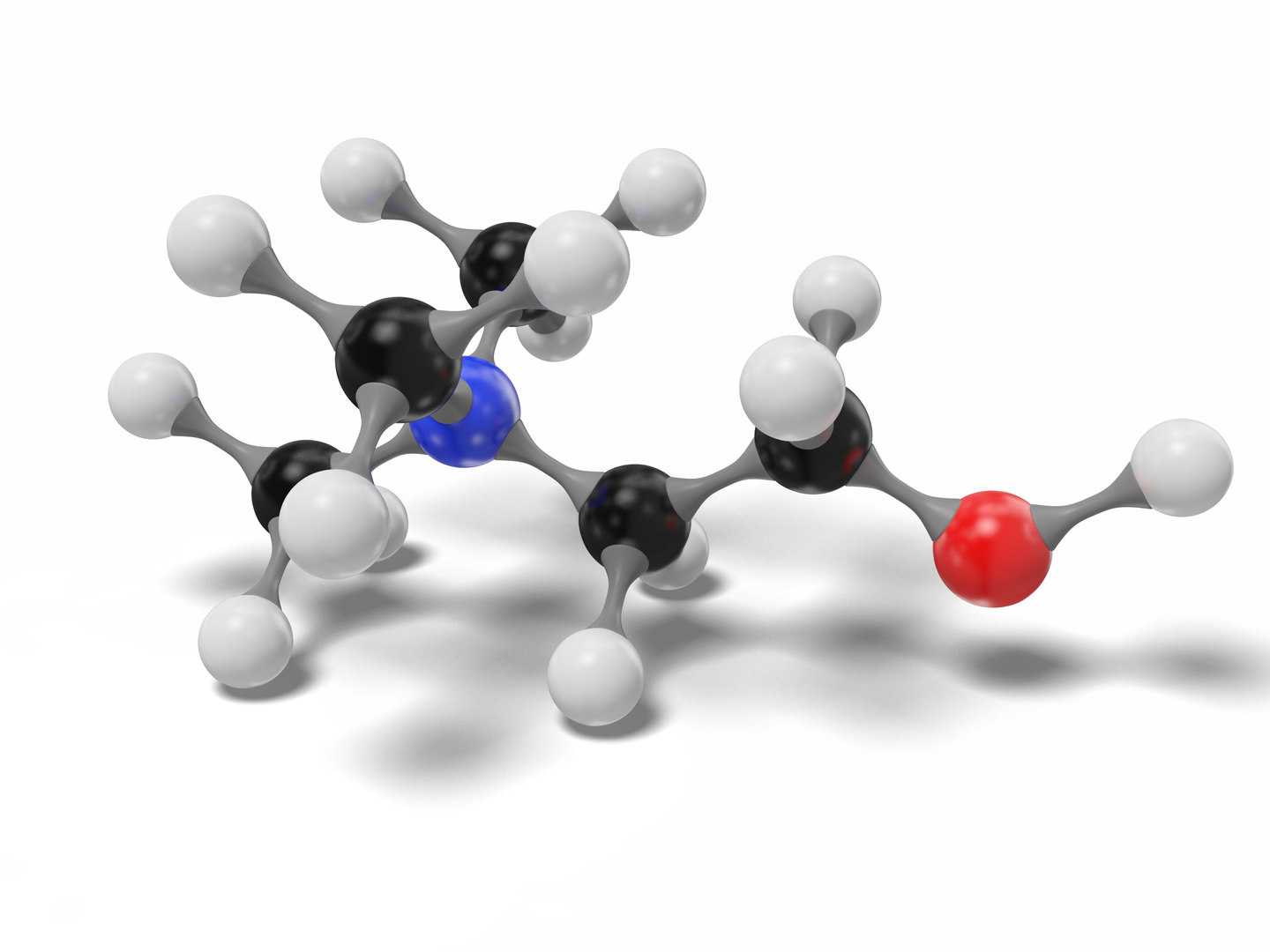
Choline Molecule 
Choline occurs in foods as a free molecule and in the form of phospholipids, especially as phosphatidylcholines. Choline is highest in organ meats and egg yolks though it is found to a lesser degree in non-organ meats, grains, vegetables, fruit and dairy products.

The nutrient choline – shown to have long-term benefits for children whose mothers consume it during pregnancy – also helps the body more efficiently use an omega 3 fatty acid that is essential for fetal brain, cognition and vision development, a new study finds.

The study was published in the American Journal of Clinical Nutrition.

The findings show that choline supplementation supports cellular metabolism to more efficiently handle and release the omega 3 fatty acid, DHA, from a pregnant individual’s liver. Once released into the bloodstream, DHA can be delivered into all the tissues, including the placenta.

“During pregnancy, mom is primed to get nutrients out of the liver and make them available to the baby, so by supplementing choline and DHA [together], we are increasing DHA bioavailability,” said senior author Marie Caudill, professor of nutritional sciences in the College of Agriculture and Life Sciences. Kevin Klatt, Ph.D. ’18, a research scientist and registered dietitian at the University of California, Berkeley, is the paper’s first author.

Rainforest trees may have been dying faster since the 1980s because of climate change

Northeast Australia's relict tropical rainforest are one of the oldest most isolated rainforests in the world.
Photo credit: Alexander Schenkin

Tropical trees in Australia’s rainforests have been dying at double the previous rate since the 1980s, seemingly because of climate impacts, according to the findings of a long-term international study published in Nature today. This research has found the death rates of tropical trees have doubled in the last 35 years, as global warming increases the drying power of the atmosphere.

Deterioration of such forests reduces biomass and carbon storage, making it increasingly difficult to keep global peak temperatures well below the target 2 °C, as required by the Paris Agreement. Today’s study, led by researchers from the Smithsonian Environmental Research Center and Oxford University, and French National Research Institute for Sustainable Development (IRD), has used uniquely long data records from across Australia’s rainforests.

It finds average tree death rates in these forests have doubled over the past four decades. Researchers found trees are living around half as long, which is a pattern consistent across species and sites across the region. And the impacts can be seen as far back as the 1980s, according to the team.

Researchers Use Galaxy as a ‘Cosmic Telescope’ to Study Heart of the Young Universe

An artist’s rendering shows how a cluster of galaxies (lensing cluster) acts as a gravitational lens that magnifies and extends the light from a background galaxy.
Image: W. M. Keck Observatory/Adam Makarenko

A unique new instrument, coupled with a powerful telescope and a little help from nature, has given researchers the ability to peer into galactic nurseries at the heart of the young universe.

After the big bang some 13.8 billion years ago, the early universe was filled with enormous clouds of neutral diffuse gas, known as Damped Lyman-α systems, or DLAs. These DLAs served as galactic nurseries, as the gases within slowly condensed to fuel the formation of stars and galaxies. They can still be observed today, but it isn’t easy.

“DLAs are a key to understanding how galaxies form in the universe, but they are typically difficult to observe since the clouds are too diffuse and don’t emit any light themselves,” says Rongmon Bordoloi, assistant professor of physics at North Carolina State University and corresponding author of the research.

Currently, astrophysicists use quasars – supermassive black holes that emit light – as “backlight” to detect the DLA clouds. And while this method does allow researchers to pinpoint DLA locations, the light from the quasars only acts as small skewers through a massive cloud, hampering efforts to measure their total size and mass.

But Bordoloi and John O’Meara, chief scientist at the W.M. Keck Observatory in Kamuela, Hawaii, found a way around the problem by using a gravitationally lensed galaxy and integral field spectroscopy to observe two DLAs – and the host galaxies within – that formed around 11 billion years ago, not long after the big bang.

“Gravitationally lensed galaxies refer to galaxies that appear stretched and brightened,” Bordoloi says. “This is because there is a gravitationally massive structure in front of the galaxy that bends the light coming from it as it travels toward us. So, we end up looking at an extended version of the object – it’s like using a cosmic telescope that increases magnification and gives us better visualization.

“The advantage to this is twofold: One, the background object is extended across the sky and bright, so it is easy to take spectrum readings on different parts of the object. Two, because lensing extends the object, you can probe very small scales. For example, if the object is one light year across, we can study small bits in very high fidelity.”

Spectrum readings allow astrophysicists to “see” elements in deep space that are not visible to the naked eye, such as diffuse gaseous DLAs and the potential galaxies within them. Normally, gathering the readings is a long and painstaking process. But the team solved that issue by performing integral field spectroscopy with the Keck Cosmic Web Imager.

Integral field spectroscopy allowed the researchers to obtain a spectrum at every single pixel on the part of the sky it targeted, making spectroscopy of an extended object on the sky very efficient. This innovation combined with the stretched and brightened gravitationally lensed galaxy allowed the team to map out the diffuse DLA gas in the sky at high fidelity. Through this method the researchers were able to determine not only the size of the two DLAs, but also that they both contained host galaxies.

“I’ve waited most of my career for this combination: a telescope and instrument powerful enough, and nature giving us a bit of lucky alignments to study not one but two DLAs in a rich new way,” O’Meara says. “It’s great to see the science come to fruition.”

The DLAs are huge, by the way. With diameters greater than 17.4 kiloparsecs, they’re more than two thirds the size of the Milky Way galaxy today. For comparison, 13 billion years ago, a typical galaxy would have a diameter of less than 5 kiloparsecs. A parsec is 3.26 light years, and a kiloparsec is 1,000 parsecs, so it would take light about 56,723 years to travel across each DLA.

“But to me, the most amazing thing about the DLAs we observed is that they aren’t unique – they seem to have similarities in structure, host galaxies were detected in both, and their masses indicate that they contain enough fuel for the next generation of star formation,” Bordoloi says. “With this new technology at our disposal, we are going to be able to dig deeper into how stars formed in the early universe.”

The work appears in Nature and was supported by the National Aeronautics and Space Administration, the W.M. Keck Foundation and the National Science Foundation. The Australian Research Council Centre of Excellence for All Sky Astrophysics in 3 Dimensions (ASTRO 3D) also contributed to the work.

Source/Credit: North Carolina State University | Tracey Peake

sn051822_01

Spying on Thousands of Neurons in the Brain’s Vision Center Simultaneously

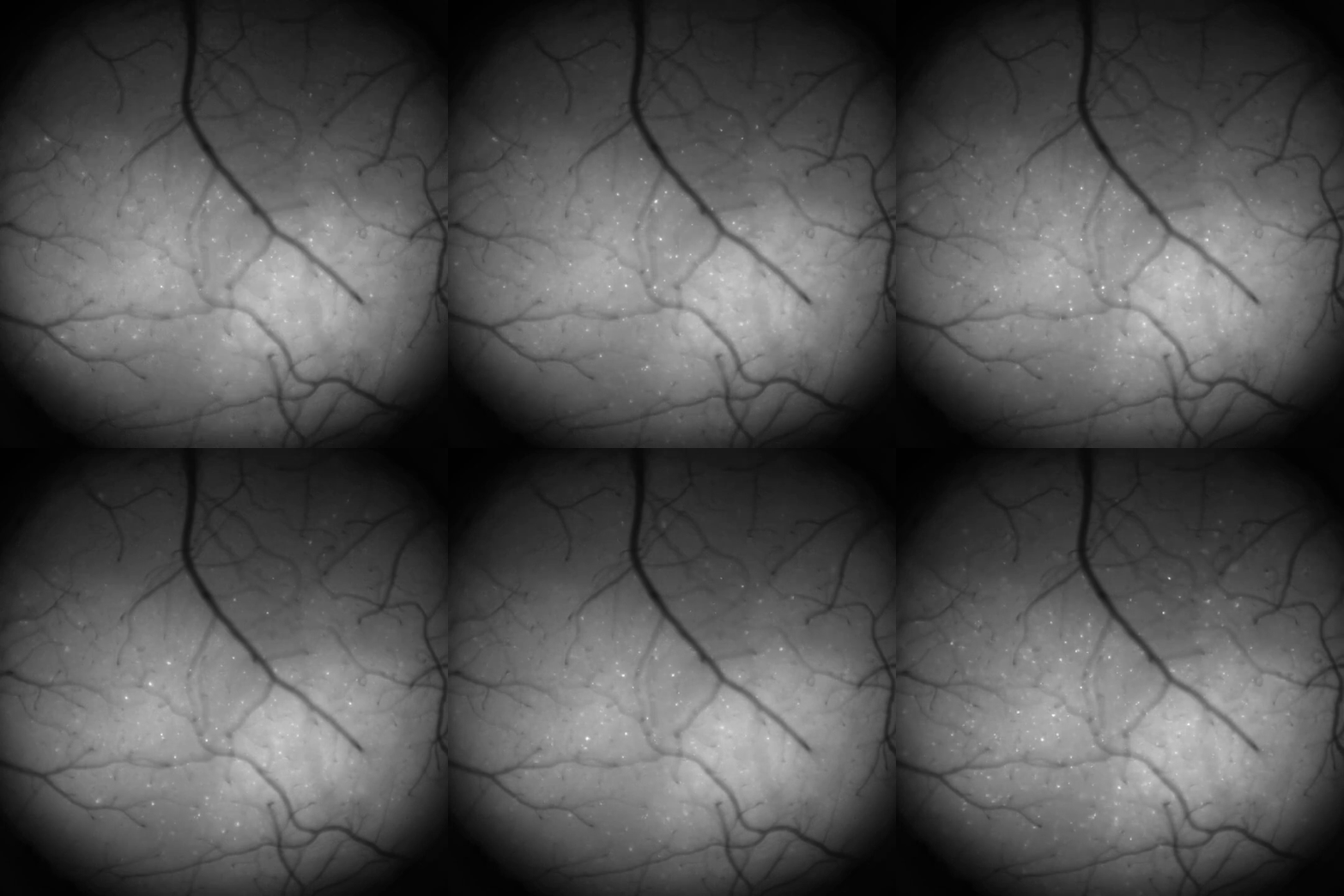
Scientists tracked how individual neurons (white dots)
across the mouse visual center responded when the
animals saw an image on a screen.
That let the team trace the sequence
of events triggered when the eyes detect an important sight.
Credit: S. Ebrahimi et al./Nature 2022
Using a custom-built microscope to peer into the mouse brain, scientists have tracked the activity of single neurons across the entire visual cortex.

These recordings, made in the tenths of seconds after the animals saw a cue on a screen, expose the complex dynamics involved in making sense of what the eyes see. In an unprecedented combination of breadth and detail, the results describe the behavior of more than 21,000 total neurons in six mice over five days, Howard Hughes Medical Institute Investigator Mark Schnitzer’s team reports in the journal Nature on May 18, 2022.

His team is the first to get a glimpse of individual cells’ activity occurring at the same time throughout eight parts of the brain involved in vision. “People have studied these brain areas before, but prior imaging studies did not have cellular resolution across the entire visual cortex,” says Schnitzer, a neuroscientist at Stanford University.

The work highlights the dramatic sequence of events that unfolds in the brain from the instant it receives messages from the eyes until it decides how to respond to that sight. The researchers’ far-reaching but fine-grained imaging approach made it possible for them to collect an “incredible” set of data, says Tatiana Engel, a computational neuroscientist at Cold Spring Harbor Laboratory who was not involved in the study.

A component for brain-inspired computing

Scientists aim to perform machine-learning tasks more efficiently with processors that emulate the working principles of the human brain.
Image: Unsplash

Researchers from ETH Zurich, Empa and the University of Zurich have developed a new material for an electronic component that can be used in a wider range of applications than its predecessors. Such components will help create electronic circuits that emulate the human brain and that are more efficient than conventional computers at performing machine-learning tasks.

Compared with computers, the human brain is incredibly energy-efficient. Scientists are therefore drawing on how the brain and its interconnected neurons function for inspiration in designing innovative computing technologies. They foresee that these brain-inspired computing systems will be more energy-efficient than conventional ones, as well as better at performing machine-learning tasks.

Much like neurons, which are responsible for both data storage and data processing in the brain, scientists want to combine storage and processing in a single type of electronic component, known as a memristor. Their hope is that this will help to achieve greater efficiency because moving data between the processor and the storage, as conventional computers do, is the main reason for the high energy consumption in machine-learning applications.

At-Risk Sea Life in the Atlantic Needs Better Protection from an Increase in Shipping


Researchers at the University of Portsmouth have discovered that rates of shipping in the North East Atlantic area rose by 34 per cent in a five-year period.

Even more noticeable, and of major concern to scientists, is the rate of shipping growth in Marine Protected Areas. Analysis of vessel movements in these delicate environments shows an increase of 73 per cent in the same time period.

The report, which was published in Marine Pollution Bulletin, is the first detailed survey of shipping activity in the North East Atlantic. Researchers used data from over 530 million vessel positions recorded by Automatic identification Systems (AIS). They looked at the change in shipping between 2013 and 2017 across ten distinct vessel types.

In total the study area covered 1.1 million km2, including waters off Belgium, Denmark, France, Germany, Iceland, Ireland, The Netherlands, Norway, Portugal, Spain, and the UK.

Renewed monitoring effort is needed to ensure that protective measures are adequate to conserve species under threat in a changing environment.

Featured Article

What Is: Psychopathy | Part three of the "Dark Tetrad"

Scientific Frontline: Extended "At a Glance" Summary : Psychopathy The Core Concept : Psychopathy is a profound personality disord...

Top Viewed Articles