. Scientific Frontline: Search results for University of Manchester
Showing posts sorted by relevance for query University of Manchester. Sort by date Show all posts

Sunday, November 29, 2026

University of Manchester: SFL Spotlight

The University of Manchester: Institutional Blueprint

The University of Manchester traces its institutional lineage to predecessor colleges established in 1824 and assumed its current structure in 2004 through the merger of the Victoria University of Manchester and the University of Manchester Institute of Science and Technology (UMIST). Associated with twenty-six Nobel laureates across its alumni, faculty, and affiliated researchers, the institution operates one of the largest multidisciplinary research enterprises in the United Kingdom (UK). As of late 2026, its workforce exceeds 12,000 staff—including 5,515 academic staff recorded in 2024–2025—alongside more than 4,000 postgraduate researchers and more than 2,000 postdoctoral researchers. Consolidated annual income exceeded £1.4 billion in 2024–2025 (£1.424 billion in summary filings), supported by £286 million in operational research grants and contracts, £34 million in capital research grants, and £91.13 million in 2025–2026 Research England quality-related (QR) and Higher Education Innovation Funding (HEIF) allocations.

Tuesday, May 26, 2026

Human Eye Genetic Map Reveals Clues to Vision Loss

Photo Credit: Venti Views

Scientific Frontline: Extended "At a Glance" Summary: Genetic Map of the Human Eye

The Core Concept: An international research team led by University of Manchester scientists has generated the most detailed genetic map to date showing how inherited DNA variation regulates gene activity in the human eye. By linking both common and rare genetic differences directly to tissue-specific gene expression, this resource clarifies the molecular pathways underlying widespread and rare forms of inherited vision loss.

Key Distinction/Mechanism: Rather than examining DNA sequence data in isolation, the team paired whole-genome sequencing with RNA profiles from 201 donated human eyes across two essential vision tissues: the light-capturing neurosensory retina and the supporting retinal pigment epithelium (RPE). Comparing genetic differences against transcriptional activity uncovered more than 1.4 million expression quantitative trait loci (eQTLs), many situated within genomic regulatory switches that govern whether nearly 10,000 retinal genes and almost 4,000 RPE genes are turned on or off. The paired approach also identified individuals with unusually high or low retinal gene activity, linking approximately 28% of these expression outliers to nearly 300 rare noncoding, structural, and copy-number DNA variants.

Origin/History: This mapping effort relied on well-characterized donor tissue from one of Europe's largest human eye donor repositories, originally founded in Manchester in 2015.

Wednesday, October 7, 2026

Graphene Sensors Monitor Stroke Damage

Graphene sensors recorded damaging electrical waves after a stroke in unprecedented detail, revealing whether brain tissue was healthy, vulnerable, or severely compromised.
Photo Credit: Courtesy of University of Manchester

Scientific Frontline: Extended "At a Glance" Summary
: Graphene-Based Brain Sensors for Stroke Monitoring

The Core Concept: Graphene-based microtransistor sensors are highly sensitive neurological devices capable of recording ultraslow electrical signals to assess brain tissue viability in real time after an ischemic stroke.

Key Distinction/Mechanism: Unlike existing technologies that fail to capture slow electrical changes, these sensors precisely measure cortical spreading depolarizations to distinguish between healthy, vulnerable, and severely compromised brain tissue.

Major Frameworks/Components:

  • Cortical Spreading Depolarizations: Waves of disrupted electrical activity that travel through injured brain tissue following an initial ischemic event.
  • Hemodynamic Prediction: The ability to determine whether regional blood flow will increase to aid recovery or decrease to worsen the injury in response to electrical waves.
  • Pharmacological Intervention: The application of ketamine to reduce the duration of damaging electrical waves, shift the blood flow response toward vasodilation, and minimize the overall area of neurodegeneration in murine models (Mus musculus).

Wednesday, November 5, 2025

Ulipristal Acetate May Prevent High-Risk Breast Cancer

Photo Credit: Angiola Harry

Scientific Frontline: Extended "At a Glance" Summary: Ulipristal Acetate for Breast Cancer Prevention

The Core Concept: A University of Manchester clinical study found that blocking progesterone signaling with the repurposed drug ulipristal acetate may reduce breast cancer risk in premenopausal women with a strong family history of the disease. Over a 12-week treatment period in 24 women aged 34 to 44, the antiprogestin lowered breast tissue density, reduced tissue stiffness, and suppressed the growth of cancer-prone breast cells.

Key Distinction/Mechanism: Unlike existing risk-reduction options—preventive surgery or long-term hormone therapy, which can substantially affect physical and emotional well-being—ulipristal acetate targets progesterone signaling to reshape the breast microenvironment before tumors form. The drug suppresses the growth of luminal progenitor cells, which can give rise to aggressive triple-negative breast cancer, while reducing the abundance, organization, and function of structural collagen proteins such as collagen VI. By decreasing both breast density and tissue stiffness, the treatment creates conditions less favorable for cancer development, with the strongest response observed in women who began the trial with high breast density.

Origin/History: Prior research established that higher breast density increases breast cancer risk and that triple-negative breast cancer—more common in younger women and Black women—carries a higher risk of returning or spreading within the first few years after diagnosis than other subtypes. Ulipristal acetate was already approved and prescribed for other conditions through the UK National Health Service (NHS), providing a clinical foundation for evaluating its repurposing as a preventive therapy.

Thursday, May 14, 2026

Skin Bacterial Lipopeptides Halt Eczema Inflammation

Staphylococcus aureus
Image Credit: Courtesy of University of Manchester

Scientific Frontline: Extended "At a Glance" Summary: Bacterial Lipopeptides for Eczema Therapy

The Core Concept: Harmless staphylococcal bacteria living on human skin naturally secrete small, stable molecules called lipopeptides as they age and nutrients become scarce. In mouse models, these bacterial lipopeptides suppress the allergic skin inflammation triggered by Staphylococcus aureus, stopping eczema from developing.

Key Distinction/Mechanism: Rather than activating immune alarms through Toll-like receptor (TLR) pathways as bacterial molecules were long assumed to do, these lipopeptides bypass TLR signaling entirely. Specifically, diacylated lipopeptides—unlike monoacylated versions, which show no effect—prevent frontline skin cells called keratinocytes from releasing interleukin-33 (IL-33), a major driver of allergic inflammation. They accomplish this by trapping IL-33 inside the perinuclear space between the inner and outer nuclear membranes, blocking the protein from exiting the nucleus and fueling an inflammatory response.

Origin/History: Researchers have long observed that children raised around farm animals or exposed to diverse microbes early in life face lower allergy rates, yet the biological mechanisms behind this protection remained unclear. Prior work by the University of Manchester and Tokyo University of Agriculture and Technology teams established that the S. aureus protein Sbi sparks eczema flare-ups by triggering IL-33 and that blocking IL-33 with a biologic drug halts eczema in the same mouse model.

Sunday, January 25, 2026

Fossils show giant prehistoric kangaroos could still hop

Sthenurine skeleton in the South Australian Museum. 
Photo Credit: Megan Jones

Scientific Frontline: "At a Glance" Summary

  • Main Discovery: Fossil analysis reveals that giant prehistoric kangaroos weighing over 200kg retained the physiological capacity for hopping, challenging previous biomechanical theories that suggested a 150kg limit for saltatorial locomotion.
  • Methodology: Researchers from the Universities of Manchester, Bristol, and Melbourne combined anatomical measurements from extant kangaroos with direct fossil evidence, specifically analyzing foot bone strength and the surface area of the heel bone for tendon anchorage.
  • Key Data: The study analyzed species reaching masses of up to 250kg—nearly three times the weight of the 90kg modern red kangaroo—identifying shorter, thicker foot bones and broad heel bones adapted to support significantly larger ankle tendons.
  • Significance: The findings overturn the "scaling-up" model of modern anatomy, proving that extinct giants were built with distinct structural adaptations that allowed them to manage enormous landing forces, though with reduced elastic energy efficiency compared to modern relatives.
  • Future Application: This biomechanical framework provides a new foundation for reconstructing the locomotion of other extinct megafauna, moving beyond simple isometric scaling to understand how prehistoric animals navigated diverse ecological niches.
  • Branch of Science: Paleontology, Evolutionary Biology, and Biomechanics.
  • Additional Detail: Evidence suggests these giants utilized a "movement repertoire" that included slow, short-burst hopping for rough terrain or escaping danger, supplemented by bipedal walking or quadrupedal movement.

Thursday, March 21, 2024

Climate change disrupts vital ecosystems in the Alps

Photo Credit: Samuel Walker

Reduced snow cover and shifting vegetation patterns in the Alps, both driven by climate change, are having major combined impacts on biodiversity and functioning of ecosystems in the high mountains, according to new research published today.

Mountain ranges covering vast areas of the world are warming much faster than surrounding lowland areas, triggering huge reductions in snow cover and rapid upward movement of dwarf-shrubs, such as heather.

Scientists at The University of Manchester have found that these changes are disrupting the timing of crucial alpine ecosystem functions performed by plants and soil microorganisms.

The research, published today in the journal Global Change Biology and funded by the UK Natural Environment Research Council, shows that high mountain ecosystems may be less capable of retaining the important nutrients needed to sustain plant growth and maintain biodiversity in these harsh environments.

Wednesday, October 1, 2025

Potential new therapeutic target for asthma discovered

Photo Credit: Cnordic Nordic

A new way to treat asthma symptoms and even repair previously irreversible lung damage could be on the horizon following the discovery of a potential new therapeutic target by scientists at the Universities of Aberdeen and Manchester.

Current treatments for asthma largely involve controlling the inflammation of lung tissue using steroid inhalers. However, 4 people die every day in the UK from asthma related complications. With funding from the Medical Research Foundation and Asthma UK, a team of researchers from the University of Aberdeen and the University of Manchester have investigated the scarring that occurs in lung tissue as a result of asthma and have been able to reverse these changes in animal models.

Although still in the early stages of development, this discovery paves the way for a new way to treat not only asthma, but many different diseases in which similar structural changes in tissues occur. Such diseases include conditions like chronic obstructive pulmonary disease (COPD), chronic heart disease and cirrhosis of the liver and account for approximately 40% of deaths worldwide.

Asthma affects more than 7 million people in the UK and severe asthma can have a hugely detrimental impact on an individual’s quality of life. Even when treated, asthma can be fatal and the most recent data shows it contributed to 1,465 deaths in the UK in 20221 – this is despite the availability of new treatments which aim to dampen down inflammation in the lungs.

Wednesday, November 1, 2023

Phenanthrene Air Pollutant Causes Arrhythmias in Mammals

Photo Credit: Pixabay

Scientific Frontline: Extended "At a Glance" Summary: Phenanthrene-Induced Cardiac Arrhythmias in Mammals

The Core Concept: Phenanthrene, a ubiquitous polycyclic aromatic hydrocarbon (PAH) released during fossil-fuel combustion, induces cardiac arrhythmias in healthy mouse hearts. This finding provides the first direct experimental evidence that phenanthrene is cardiotoxic to mammals.

Key Distinction/Mechanism: Unlike earlier investigations that focused primarily on aquatic organisms or higher-molecular-weight PAHs, this study demonstrates a direct proarrhythmic mechanism for a lower-molecular-weight PAH in mammalian cardiac tissue. Phenanthrene circulates in the gas phase of air pollution and adheres to particulate matter (PM), allowing inhaled pollutants to translocate from the lungs into the bloodstream and reach the heart. Using isolated mouse hearts and single heart muscle cells (myocytes), researchers showed that phenanthrene impairs both electrical signaling and contraction by blocking ion channels required for synchronous beating, triggering monophasic tachycardia.

Origin/History: Scientists first recognized a causal link between phenanthrene and cardiotoxicity in fish following the 1989 Exxon Valdez oil disaster in Alaska, with subsequent studies establishing similar cardiac toxicity in crustaceans such as crayfish. Separately, epidemiological evidence has long associated fine particulate matter (\(\text{PM}_{2.5}\)) concentrations with higher arrhythmia incidence, and earlier rodent research demonstrated that both PM and diesel particles can provoke irregular heart rhythms.

Thursday, October 8, 2026

IDUA Gene Linked to Inherited Blindness

Image Credit: University of Manchester

Scientific Frontline: Extended "At a Glance" Summary
: IDUA Gene Mutations and Retinitis Pigmentosa

The Core Concept: Hypomorphic mutations in the IDUA gene, typically known for causing the severe childhood metabolic disorder mucopolysaccharidosis type I (MPS I), have been discovered to cause retinitis pigmentosa, a form of inherited blindness in adults.

Key Distinction/Mechanism: Unlike classic MPS I, which results from severe genetic faults and affects multiple organ systems, this milder presentation stems from faults that leave behind a tiny fraction (0.5 to 2 percent) of normal enzyme activity. This residual activity protects most organs but fails to support the retina, likely due to the eye's exceptionally high energy demands and reliance on cellular recycling machinery.

Origin/History: The connection was established in an October 2026 international study co-led by the University of Manchester, University College London, and the Greenwood Genetic Center, and published in The American Journal of Human Genetics.

Monday, December 13, 2021

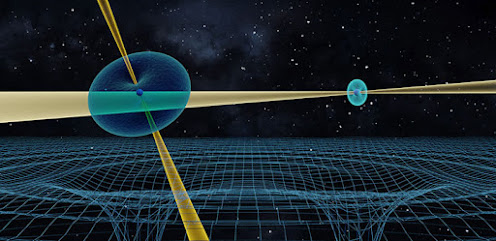
Challenging Einstein's Greatest Theory with Extreme Stars

Researchers have conducted a 16-year long experiment to challenge Einstein’s theory of general relativity. The international team looked to the stars - a pair of extreme stars called pulsars to be precise – through seven radio telescopes across the globe.
Credit: Max Planck Institute for Radio Astronomy

Scientific Frontline: "At a Glance" Summary

  • Main Discovery: A 16-year international experiment utilizing a unique double pulsar system confirmed Einstein’s theory of general relativity with unprecedented precision, successfully validating seven distinct predictions including relativistic effects never previously observed.
  • Methodology: Researchers employed seven sensitive radio telescopes globally to track the precise radio beams of two pulsars orbiting each other every 147 minutes, utilizing pulsar timing and interferometric measurements to map the system's intense gravitational field and distance (2,400 light-years).
  • Key Statistics: The study tested the energy carried by gravitational waves with a precision 25 times greater than the Nobel Prize-winning Hulse-Taylor pulsar results and 1,000 times greater than current gravitational wave detectors, while measuring orbital orientation changes to an accuracy of one part in a million.
  • Specific Mechanism: The team successfully detected the Lense-Thirring effect (frame-dragging), where the rotation of the pulsar drags the surrounding spacetime, and observed a specific light deflection angle of 0.04 degrees caused by the strong curvature of space.
  • Significance: These findings represent the most rigorous test of gravity in strong-field conditions to date, confirming that general relativity holds firm even at extreme scales and setting a critical benchmark for future attempts to unify gravity with quantum mechanics.

Tuesday, March 19, 2024

Cells harvested from urine may have diagnostic potential for kidney disease, find scientists

Image Credit: AI generated / Gemini Advance

Genes expressed in human cells harvested from urine are remarkably similar to those of the kidney itself, suggesting they could be an important non-invasive source of information on the kidney.

The news offers hope that doctors may one day be able to investigate suspected kidney pathologies without carrying out invasive procedures such as biopsies, raising the tantalizing prospect of earlier and simpler disease detection.

The impact of late detection of kidney disease can be severe and can lead to serious and sometimes life-threatening complications.

The team led by University of Manchester scientists measured the levels of approximately 20,000 genes in each cellular sediment sample of urine using a technique called transcriptomics.

The British Heart Foundation-funded study benefited from access to the world's largest collection of human kidney samples collected after surgery or kidney biopsy conducted before transplantation, known as the Human Kidney Tissue Resource, at The University of Manchester.

They extracted both DNA and RNA from each sample and connected information from their analysis, together with data from previous large-scale analyses of blood pressure (called genome-wide association studies), using sophisticated computational methods.

Thursday, August 20, 2026

Fibrinogen Multilayer Self-Assembly in Wound Healing

Dr. Richard Campbell
Photo Credit: Courtesy of University of Manchester

Scientific Frontline: Extended "At a Glance" Summary: Fibrinogen Self-Assembly at the Air–Water Interface

The Core Concept: Researchers have demonstrated that fibrinogen, an essential blood-clotting protein, forms stacked, flat multilayers when it contacts air rather than a single tilting layer as previously assumed. This self-assembly mechanism occurs consistently across wide concentration ranges and diverse solution conditions, establishing it as a universal property of fibrinogen at the air–water interface.

Key Distinction/Mechanism: Unlike the long-standing "single tilting layer" model—which held that elongated fibrinogen molecules initially lie flat on a liquid surface before leaning upright as additional molecules arrive—new structural data show that the molecules remain flat and stack atop one another like sheets of paper. Using neutron reflectometry on the FIGARO instrument at the Institut Laue-Langevin (ILL) in France, researchers resolved these protein surfaces in unprecedented detail and observed the layers growing thicker and more complete as concentration rises. At the surface of exposed blood, this alignment helps fibrinogen generate fibrin fibers that solidify into a protective scab film during fluid evaporation.

Origin/History: For more than two decades, wound-healing and interfacial protein research relied on the benchmark "single tilting layer" model to explain how fibrinogen organizes at liquid boundaries. Earlier laboratory measurements were compatible with that interpretation, leaving the underlying multilayer architecture undetected until over a decade of international collaboration enabled higher-resolution structural analysis.

Friday, May 15, 2026

Geography & DNA: How Where You Live Alters Biological Age

Image Credit: Courtesy of University of Manchester

Scientific Frontline: Extended "At a Glance" Summary
: Geography and Biological Aging Multiomics Study

The Core Concept: A groundbreaking multiomics study revealing that biological aging and overall human biology are shaped by an intricate interaction between a person's genetic ancestry and their geographic environment.

Key Distinction/Mechanism: By analyzing individuals with identical genetic ancestry living on different continents, researchers separated the effects of inherited DNA from environmental influences. They discovered that while ancestry deeply marks the immune system and gut bacteria, geography uniquely rewires molecular networks, shifts metabolic pathways, and significantly alters biological age.

Major Frameworks/Components:

  • Multiomics Profiling: The simultaneous measurement of genes, proteins, gut microbes, metabolic chemicals, and biological metals.
  • Geographic Molecular Rewiring: Environmental shifts were shown to directly alter cholesterol levels, inflammatory markers, and energy processing.
  • Divergent Biological Aging: Geographic relocation impacts cellular aging distinctly across demographics; East Asians living outside Asia exhibited accelerated biological aging, whereas Europeans living outside Europe appeared biologically younger.
  • Telomerase-Microbiome Axis: The discovery of a novel three-way molecular chain reaction connecting a cellular aging gene (telomerase), a specific gut microbe, and a lipid molecule known as sphingomyelin.

Monday, February 2, 2026

Livestock Removal Risks Long-Term Soil Carbon Storage

Langdale, England.
Photo Credit: Richard Bardgett

Scientific Frontline: Extended "At a Glance" Summary: Livestock Removal and Soil Carbon Stability in Upland Grasslands

The Core Concept: Completely removing sheep and other grazing livestock from upland grasslands can reduce mineral-associated organic carbon (MAOC), the most durable form of soil carbon, even as carbon accumulates in living plants and surface litter. Because MAOC binds to soil minerals and persists for decades to centuries, total grazer exclusion may weaken long-term climate mitigation despite increasing short-lived carbon pools.

Key Distinction/Mechanism: Unlike conventional carbon assessments that evaluate total carbon stocks as a single pool, this research distinguishes between fast-cycling carbon in surface vegetation and slow-cycling MAOC protected within soil minerals. When grazing ceases, grass-dominated landscapes shift toward dwarf shrubs such as heather, whose roots associate with ericoid mycorrhizal fungi that slow surface litter decay while accelerating the breakdown of older, stable soil carbon to extract nutrients for plant growth. Wetter soil conditions can further weaken the minerals that shield MAOC from warming-induced decomposition.

Origin/History: Grasslands store approximately one-third of global terrestrial carbon, predominantly within soils, prompting policymakers and land managers pursuing net-zero targets to propose livestock exclusion on historically grazed landscapes as a scalable climate solution. Traditionally, scientists and land managers have evaluated such carbon removal projects by measuring total carbon stocks rather than accounting for how securely different carbon pools are stored.

Wednesday, June 3, 2026

World's Largest Prehistoric Scorpion Revealed

Life reconstruction of Praearcturus gigas
Image Credit: © Franz Anthony

Scientific Frontline: Extended "At a Glance" Summary
: Praearcturus gigas

The Core Concept: Praearcturus gigas is an extinct species of giant scorpion measuring nearly a meter in length that lived roughly 415 million years ago during the Early Devonian period.

Key Distinction/Mechanism: Unlike later giant arthropods whose immense size was driven by high atmospheric oxygen levels, Praearcturus gigas reached its massive scale due to ecological opportunity and a lack of early terrestrial competition. Furthermore, flap-like abdominal structures suggest it maintained a semi-aquatic lifestyle.

Origin/History: Originally described in 1871 and incorrectly classified as a giant crustacean, the fragmented fossils sat in the Natural History Museum in London for over 150 years. Modern analytical and imaging techniques recently re-identified the specimen as the largest scorpion ever discovered.

Major Frameworks/Components:

  • Legacy Specimen Re-evaluation: Utilizing cutting-edge imaging techniques to extract new data from centuries-old, fragmented museum fossils.
  • Anatomical Comparison: Matching unique anatomical features—such as abdominal flaps and 16-centimeter pincers—against better-preserved, newly discovered fossil records.
  • Paleoecological Contextualization: Quantifying the wider arachnid fossil record to compare sizes and environments of Early Devonian species, supporting the theory of freshwater habitats for early scorpions.

Monday, February 16, 2026

New tool could reduce collision risk for Earth-observation satellites

Image Credit: Scientific Frontline

Scientific Frontline: Extended "At a Glance" Summary

The Core Concept: A computational modeling tool that incorporates space debris collision probability directly into the earliest design phases of Earth-observation satellite missions.

Key Distinction/Mechanism: Unlike traditional workflows where collision risk is assessed only after a satellite is designed, this framework links performance requirements (such as image resolution and coverage) immediately with physical constraints (size, mass) and orbital debris density. This allows engineers to see how specific mission goals—like higher resolution imagery—increase or decrease the statistical likelihood of a collision before any hardware is built.

Major Frameworks/Components:

  • Variable Linkage: Connects optical requirements (resolution) directly to satellite physical dimensions (cross-sectional area).
  • Orbital Mapping: correlates specific altitudes (e.g., 850–950 km) with both debris density and necessary satellite size.
  • Trade-off Analysis: Calculates the safety "cost" of higher-performance data, revealing that higher orbits may carry greater risk due to the need for larger, more vulnerable satellite bodies.

Wednesday, June 8, 2022

Gravity-defying spike waves rewrite the rule book

The ‘spike wave’ created in the FloWave circular wave tank
Credit: University of Oxford

Researchers studying wave breaking have found that axisymmetric ‘spike waves' can far exceed limits that were previously thought to dictate the maximum height of ocean waves.

In a new study on ocean wave breaking, researchers have demonstrated that the breaking behavior of axisymmetric ‘spike waves’ is quite different to the long-established theories on the breaking of traveling waves.

Travelling waves break when waves become so steep that the crest is no longer stable. This leads to a breakdown of wave motion and energy loss. As a result, the height of the wave is limited by the breaking process.

‘Much of our understanding of wave breaking is routed in theories developed and experiments carried out in two dimensions when waves are moving in one direction,’ explained lead author Dr Mark McAllister, Department of Engineering Science, University of Oxford. ‘However, wave breaking in the ocean is a three-dimensional process.’

Thursday, May 21, 2026

Rare Four-Nitrogen Chain Anions Synthesized

Scientists synthesise rare four‑nitrogen chain anions
Image Credit: University of Manchester

Scientific Frontline: Extended "At a Glance" Summary
: Rare Four-Nitrogen Chain Anions

The Core Concept: Researchers have successfully synthesized and stabilized rare radical anions containing an extended four-atom nitrogen chain (\(N_{4} \cdot -\)).

Key Distinction/Mechanism: Nitrogen naturally resists forming extended chains due to the extreme strength of the \(N \equiv N\) triple bond, typically making such structures notoriously unstable. However, scientists have now stabilized these rare chains under ambient conditions, preventing their immediate decomposition and allowing them to remain intact in solid state for several weeks.

Major Frameworks/Components:

  • \(N_{4} \cdot -\) Radical Anions: The isolated units that form the foundation of five distinct stable molecules.
  • Fragmentation Pathways: The established process by which the nitrogen chains break down into highly reactive single-atom (\(N_1\)) and three-atom (\(N_3\)) units.
  • Nitrene Radical Anions: Highly reactive intermediates generated from the chain fragmentation.
  • Multidisciplinary Probing: The combination of spectroscopic, crystallographic, and computational techniques utilized to map the bonding and stabilization mechanisms within the chains.

Thursday, November 26, 2026

Triple-Helix Umbilical Cord Evolution and Fetal Cooling

Umbilical cord model with two blue arteries and one red vein coiled around a beige core in a triple helix.
SciAdv-TripleHelix umbilical cord.
Image Credit: Courtesy of Universities of Manchester

Scientific Frontline: Extended "At a Glance" Summary
: Human Umbilical Cord Evolution and Fetal Cooling

The Core Concept: A comparative anatomical and mathematical modeling study of 130 mammal species reveals that the human umbilical cord is an evolutionary rarity whose tightly coiled, three-vessel "triple helix" architecture may actively regulate fetal cooling. Because developing fetuses generate metabolic heat and cannot cool themselves directly, this specialized vascular geometry helps channel excess heat through the placenta into the mother's bloodstream.

Key Distinction/Mechanism: Three-dimensional X-ray imaging shows that all three human umbilical vessels—two arteries and one vein—twist together in a unified triple helix, challenging the traditional textbook depiction of two arteries winding around a straight central vein. Mathematical models predict that while neighboring vessels lose very little oxygen to cross-exchange across the studied species, vascular geometry, cord length, blood flow, and coiling degree strongly govern thermal transfer. Specifically, the helical vessel arrangement minimizes unintentional heat exchange between the umbilical arteries and vein, preventing thermal recirculation and promoting heat dissipation away from the fetus, with larger mammals achieving more efficient cooling.

Origin/History: Evolutionary reconstructions indicate that the earliest placental mammals likely possessed an uncoiled umbilical cord containing three blood vessels and an allantoic duct, a temporary tube linking the fetal bladder to the allantoic sac. Although previous international research linked heat waves to an approximately 26% increase in the odds of premature birth, the umbilical cord was traditionally viewed primarily as a nutrient and oxygen conduit rather than a thermoregulatory structure.

Featured Article

What Is: Measles, Mumps, and Rubella? A Special Edition on the Viral Trio Behind the Immunity Gap

Measles (crimson), mumps (teal), and rubella (violet) virions slip through an opening in a defensive antibody barrier toward vulnerable airw...

Top Viewed Articles