
 |
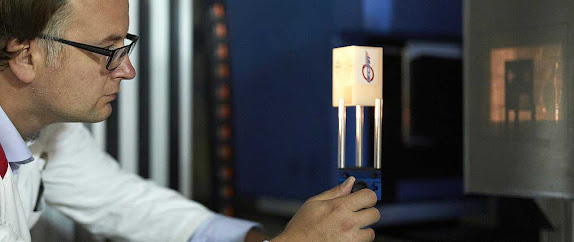
| In a new study, mechanical science and engineering professor Jie Feng, left, graduate student Zhengyu Yang and postdoctoral researcher Bingqiang Ji used high-speed photography to demonstrate the mechanism that allows bursting bubbles to transport organic material, such as contaminants and microbes, into the atmosphere. Photo Credit: by Fred Zwicky |
Bubbles are common in nature and can form when ocean waves break and when raindrops impact surfaces. When bubbles burst, they send tiny jets of water and other materials into the air. A new study from the University of Illinois Urbana-Champaign examines how the interplay between bubble surfaces and water that contains organic materials contributes to the transport of aerosolized organic materials – some of which are linked to the spread of disease or contamination – into the atmosphere.
The study, led by mechanical science and engineering professor Jie Feng with postdoctoral researcher Bingqiang Ji and graduate student Zhengyu Yang, demonstrates a distinct transport mechanism occurring at the interface of bursting bubbles and the air. The study results are published in the journal Nature Communications.
“We are all familiar with how we can smell beer when it is placed in front of us,” Feng said. “The bursting bubbles in the foam send droplets of aerosolized liquid into the air. We then inhale those tiny droplets, activating our smell senses – this is the phenomenon we are examining in this study.”







.jpg)