. Scientific Frontline

Thursday, November 25, 2021

Super jelly’ can survive being run over by a car

The soft-yet-strong material, developed by a team at the University of Cambridge, looks and feels like a squishy jelly, but acts like an ultra-hard, shatterproof glass when compressed, despite its high water content.

The non-water portion of the material is a network of polymers held together by reversible on/off interactions that control the material’s mechanical properties. This is the first time that such significant resistance to compression has been incorporated into a soft material.

The ‘super jelly’ could be used for a wide range of potential applications, including soft robotics, bioelectronics or even as a cartilage replacement for biomedical use. The results are reported in the journal Nature Materials.

The way materials behave – whether they’re soft or firm, brittle or strong – is dependent upon their molecular structure. Stretchy, rubber-like hydrogels have lots of interesting properties that make them a popular subject of research – such as their toughness and self-healing capabilities – but making hydrogels that can withstand being compressed without getting crushed is a challenge.

“In order to make materials with the mechanical properties we want, we use crosslinkers, where two molecules are joined through a chemical bond,” said Dr Zehuan Huang from the Yusuf Hamied Department of Chemistry, the study’s first author. “We use reversible crosslinkers to make soft and stretchy hydrogels, but making a hard and compressible hydrogel is difficult and designing a material with these properties is completely counterintuitive.”

Working in the lab of Professor Oren A. Scherman, who led the research, the team used barrel-shaped molecules called cucurbiturils to make a hydrogel that can withstand compression. The cucurbituril is the crosslinking molecule that holds two guest molecules in its cavity – like a molecular handcuff. The researchers designed guest molecules that prefer to stay inside the cavity for longer than normal, which keeps the polymer network tightly linked, allowing for it to withstand compression.

Super jelly  Credit: Zehuan Huang

“At 80% water content, you’d think it would burst apart like a water balloon, but it doesn’t: it stays intact and withstands huge compressive forces,” said Scherman, Director of the University’s Melville Laboratory for Polymer Synthesis. “The properties of the hydrogel are seemingly at o
dds with each other.”

“The way the hydrogel can withstand compression was surprising, it wasn’t like anything we’ve seen in hydrogels,” said co-author Dr Jade McCune, also from the Department of Chemistry. “We also found that the compressive strength could be easily controlled through simply changing the chemical structure of the guest molecule inside the handcuff.”

To make their glass-like hydrogels, the team chose specific guest molecules for the handcuff. Altering the molecular structure of guest molecules within the handcuff allowed the dynamics of the material to ‘slow down’ considerably, with the mechanical performance of the final hydrogel ranging from rubber-like to glass-like states.

“People have spent years making rubber-like hydrogels, but that’s just half of the picture,” said Scherman. “We’ve revisited traditional polymer physics and created a new class of materials that span the whole range of material properties from rubber-like to glass-like, completing the full picture.”

The researchers used the material to make a hydrogel pressure sensor for real-time monitoring of human motions, including standing, walking and jumping.

“To the best of our knowledge, this is the first time that glass-like hydrogels have been made. We’re not just writing something new into the textbooks, which is really exciting, but we’re opening a new chapter in the area of high-performance soft materials,” said Huang.

Researchers from the Scherman lab are currently working to further develop these glass-like materials towards biomedical and bioelectronic applications in collaboration with experts from engineering and materials science. The research was funded in part by the Leverhulme Trust and a Marie Skłodowska-Curie Fellowship. Oren Scherman is a Fellow of Jesus College.

Source/Credit: University of Cambridge

tn112521_01

Electrons Set the Stage for Neutrino Experiments

Neutrinos may be the key to finally solving a mystery of the origins of our matter-dominated universe, and preparations for two major, billion-dollar experiments are underway to reveal the particles’ secrets. Now, a team of nuclear physicists have turned to the humble electron to provide insight for how these experiments can better prepare to capture critical information. Their research, which was carried out at the U.S. Department of Energy’s Thomas Jefferson National Accelerator Facility and recently published in Nature, reveals that major updates to neutrino models are needed for the experiments to achieve high-precision results.

Neutrinos are ubiquitous, generated in copious numbers by stars throughout our universe. Though prevalent, these shy particles rarely interact with matter, making them very difficult to study.

“There is this phenomenon of neutrinos changing from one type to another, and this phenomenon is called neutrino oscillation. It’s interesting to study this phenomenon, because it is not well understood,” said Mariana Khachatryan, a co-lead author on the study who was a graduate student at Old Dominion University in Professor and Eminent Scholar Larry Weinstein’s research group when she contributed to the research. She is now a postdoctoral research associate at Florida International University.

One way to study neutrino oscillation is to build gigantic, ultra-sensitive detectors to measure neutrinos deep underground. The detectors typically contain dense materials with large nuclei, so neutrinos are more likely to interact with them. Such interactions trigger a cascade of other particles that are recorded by the detectors. Physicists can use that data to tease out information about the neutrinos.

Misinformation about COVID-19 spreads faster on social media

New research has found that the amount of misinformation related to COVID-19 is disproportionately higher than content produced by fact-checkers on Twitter. COVID misinformation also maintains attention and engagement for longer online than fact-based content.

The research, led by Open University academics, aimed to examine misinformation about COVID-19 online as a means of improving the effectiveness of the response to the pandemic.

Over 350,000 tweets that shared misinforming or fact-checking content related to COVID-19 between December 2019 to January 2021 were studied.

It was found that fact-checking may not be as successful as expected in reducing misinformation spread on Twitter. The amount of misinformation on COVID-19 was shared on Twitter around 3.5 times more than content trying to correct misinformation.

This highlighted the importance of fact-checkers making their content attractive and eye-catching to social media users – thereby more shareable and likely to gain traction on platforms.

Misinformation is also more often re-published or re-shared after some time than fact-checking. This is particularly observable in relation to conspiracy theories and COVID origins or causes as these are often much harder to debunk based on known facts (i.e. conspiracy theories are ‘beyond’ factual content and COVID causes still remain unclear).

Himalayan bats are functionally less diverse at high than at lower elevations, but show the same evolutionary diversity

Rohit Charkararty during fieldwork in the Himalayas
Credit: Emily Stanford
Million years of evolution have produced a dazzling variety of species, each uniquely adapted to its environment. A straightforward way to measuring biodiversity is by the number of species (taxonomic diversity). Recently, there is growing emphasis to quantify diversity also in other ways: a) functional diversity, which is the diversity of phenotypic traits that allow organisms to perform their ecological functions and b) phylogenetic diversity, meaning the variation in the branches in the tree of life. In a paper published recently in the journal “Scientific Reports” a team of scientists led by the Leibniz Institute for Zoo and Wildlife Research (Leibniz-IZW) compares these approaches: They found that species richness and functional diversity of Himalayan bat communities decline at high elevation without the loss of phylogenetic diversity. Their findings provide insights on the diversity of bats in the Himalayas and serve as an important baseline in assessing this diversity in the context of environmental changes.

Lead author Rohit Chakravarty from the Leibniz-IZW and his colleagues evaluated three different diversity approaches to identifying biodiversity patterns in bats in the Himalayas. Mountain regions provide ideal settings for these kinds of analyses as they encompass a high number of different climate and vegetation zones along elevational gradients over short spatial scales. “It is quite well known how species richness responds to these elevational gradients, but in order to understand the evolutionary processes that lead to this distribution of species, we need to analyze the diversity of traits and diversity in evolutionary history”, explains Chakravarty. The team caught bats at elevations between 1500 and 3500 meters in the western Himalayas and measured phenotypic traits related to their wing shape and echolocation calls – both important traits that determine foraging style. They compared this information with phylogenetic data of Himalayan bat species from the literature. “Phylogenetic diversity indicates the number of steps or evolutionary adaptations that differentiate species from each other”, says Chakravarty. “It is interesting from an evolutionary standpoint. Three species that sit on the same branch of the evolutionary tree have a shared history of evolution, that is, they evolved from a common ancestor and may hence show similar adaptations to environmental conditions.”

Collapse of ancient Liangzhu culture caused by climate change

Stalagmites in caves located southwest of the excavation site show
a climatic cause for the collapse of the ancient chinese Liangzhu culture.
Credit: Haiwei Zhang
"China's Venice of the Stone Age": The Liangzhu excavation site in eastern China is one of the most significant testimonies of Chinese civilization. More than 5000 years ago, the city had an elaborate water management system. Massive flooding triggered by anomalously intense monsoon rains caused a sudden collapse, as a team with geologist Christoph Spötl shows in Science Advances.

In the Yangtze Delta, about 160 kilometers southwest of Shanghai, the archeological ruins of Liangzhu City are located. There, a highly advanced culture blossomed about 5300 years ago, which is considered to be one of the earliest proofs of monumental water culture. The oldest evidence of large hydraulic engineering structures in China originates from this late Neolithic cultural site. 

The walled city had a complex system of navigable canals, dams and water reservoirs. This system made it possible to cultivate very large agricultural areas throughout the year. In the history of human civilization, this is one of the first examples of highly developed communities based on a water infrastructure. Metals, however, were still unknown in this culture. 

Thousands of elaborately crafted jade burial objects were found during excavations. Long undiscovered and underestimated in its historical significance, the archaeological site is now considered a well-preserved record of Chinese civilization dating back more than 5000 years. Liangzhu was declared a UNESCO World Heritage Site in 2019. However, the advanced civilization of this city, which was inhabited for almost 1000 years, came to an abrupt end. 

Secrets of planet formation take researchers on quest near and far

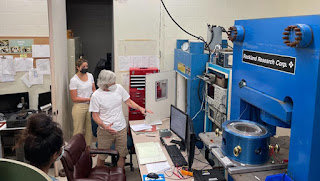
Students visit Bin Chen’s high pressure mineral
physics laboratory, learn from Robert Rapp.
From laboratory experiments to observations of young star systems, University of Hawaiʻi at Mānoa researchers are on a quest to understand how rocky planets like Earth form.

Planets form from disks of gas and dust that surround young stars. Previous research has shown that nearly all stars are born with such disks, and revealed hints of planet formation within them. Surveys for planets around other stars, termed “exoplanets,” have discovered that Earth-size and presumably rocky planets are common, and many stars have planets orbiting much closer to their host star than the Earth-Sun distance. But most of the steps between dust and planets are poorly understood, in part because they are obscured within the inner region of these proto-planetary disks.

The National Science Foundation (NSF) and NASA recently awarded a total of $1.3 million in three separate grants to teams of UH Mānoa scientists from the Department of Earth Sciences and Hawaiʻi Institute of Geophysics and Planetology in the School of Ocean and Earth Science and Technology (SOEST), the Institute for Astronomy (IfA), and the Information and Computer Science Department (ICS) to explore this inner realm around other stars—and our Sun—in search of the secrets to planet formation.

SOEST Earth Sciences professor Eric Gaidos, lead investigator on two of the grants, explained, “the story of planet formation is like an epic movie, where we could watch only the dramatic opening scene and the happy ending, but missed everything between, leaving us guessing about the main characters, their roles and most of the plot.”

Wednesday, November 24, 2021

Water disinfection byproduct disrupts reproductive hormones, damages pituitary in female mice

A byproduct formed during water disinfection disrupts hormones
that regulate reproduction in female mice, found Illinois
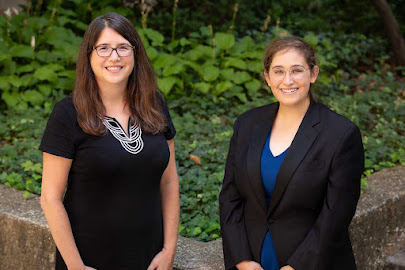
professor Lori Raetzman (left) and graduate student Rachel Gonzalez. 
Photo by L. Brian Stauffer
Chemical disinfection makes water from both natural sources and wastewater streams drinkable; however, the process also creates byproducts, not all of which are understood or regulated. A new study from University of Illinois Urbana-Champaign researchers has found that one byproduct disrupts hormones in the brain that regulate the female reproductive cycle in mice and also damages cells in the pituitary gland.

Iodoacetic acid, or IAA, is created when an oxidizing disinfectant such as chlorine reacts with the iodide naturally present in water, said study leader Lori Raetzman, a professor of molecular and integrative physiology. The new study’s findings of IAA’s effects on reproductive regulation in the brain complement previous work by study co-author Jodi Flaws, a professor of comparative biosciences, which found that IAA also disrupts function in and causes damage to ovary cells, indicating that the chemical could impact the entire reproductive system.

“We know we need to disinfect water, but the water that’s coming out of our taps isn’t pure – regulators only screen for the things they know about. Water regulatory bodies have not been looking for IAA,” Raetzman said. “This study is contributing to the growing body of evidence that suggests that IAA may impact reproduction, so it might be reasonable to have screening for this too, and to establish a safe level for it.”

Robust approach needed to reduce risk of disease transmission between humans and wild animals

Credit: Pixabay
The threat of disease transmission from conservationists moving wild animals between habitats or back into the wild needs to be urgently assessed to minimize risk. Experts at the University of Birmingham are calling on local and national health authorities and wildlife managers to adopt a robust approach.

In a new paper, published in Frontiers in Veterinary Science, researchers in the University’s College of Life and Environmental Sciences, collaborating with Wildlife Impact and other sector partners, have highlighted the issues using the example of translocated orangutans in Indonesia.

All three species of orangutans in Indonesia are listed as Critically Endangered, and moving animals between habitats is a fairly common practice as demands for agriculture, mining, and other natural resource use puts pressure on the forests they inhabit. Interactions and conflict between humans and orangutans sharing the same habitats also contributes to the complex problems facing these rare species across their range.

During the covid 19 pandemic, the team identified instances of orangutans being released who had been in direct contact or proximity to humans without any protective equipment. In some cases, formerly captive orangutans were released after long periods of contact and potential exposure to human diseases.

The team’s results suggest that there is a potential problem of pathogen transmission between humans and animals which needs to be properly understood and managed.

SARS-CoV-2 infects sustentacular cells in the olfactory epithelium of COVID-19 patients

A lone infected sustentacular cell is surrounded by non-infected cells in the olfactory mucosa of a COVID-19 patient who died four days after diagnosis of the infection. The infected cell has the characteristic shape of a wine glass. The blue color comes from staining with an antibody against the nucleocapsid protein of the virus. The red dots represent staining with an RNAscope probe for a gene that is expressed in sustentacular cells (GPX3). Within the lone infected cell, there are few or no red dots, because infection of a cell with SARS-CoV-2 causes decay of host RNA molecules. The green dots represent staining with an an RNAscope probe for a type of viral RNA molecules that are only present during ongoing viral replication. This lone sustentacular cell was thus serving as a “factory” for replicating viral RNA at the time the postmortem tissue sample was taken.
© MP Research Unit f. Neurogenetics/ Mona Khan

It is now widely known that COVID-19 is associated with the transient or long-term loss of olfaction (the sense of smell) but the mechanisms remain obscure. An unresolved question is whether the olfactory nerve can provide SARS-CoV-2 with a route of entry to the brain. Scientists at the Max Planck Research Unit for Neurogenetics in Frankfurt in collaboration with physicians and scientists at the University Hospitals Leuven (Leuven, Belgium) and a major hospital in Bruges, Belgium, together with scientists at NanoString Technologies Inc. in Seattle, USA, report that SARS-CoV-2 does not appear to infect the sensory neurons of the olfactory epithelium in COVID-19 patients. Moreover, the team failed to find evidence for infection of olfactory bulb neurons. Instead, the sustentacular cells, also known as supporting cells, are the main target cell type for the virus in the olfactory epithelium. Since SARS-CoV2 spares olfactory sensory neurons and olfactory bulb neurons, it does not appear to be a neurotropic virus.

For the brain, context is key to new theory of movement and memory

Photo by lebih dari ini from Pexels
How is it that a chef can control their knife to fillet a fish or peel a grape and can wield a cleaver just as efficiently as a paring knife? Even those of us less proficient in the kitchen learn to skillfully handle an astonishing number of different objects throughout our lives, from shoelaces to tennis rackets.

This ability to continuously acquire new skills, without forgetting or degrading old ones, comes naturally to humans but is a major challenge even for today’s most advanced artificial intelligence systems.

Now, scientists from the University of Cambridge and Columbia University have developed and experimentally verified a new mathematical theory that explains how the human brain achieves this feat. Called the COntextual INference (COIN) model, it suggests that identifying the current context is key to learning how to move our bodies.

The model describes a mechanism in the brain that is constantly trying to figure out the current context. The theory suggests that these continuously changing beliefs about context determine how to use existing memories — and whether to form new ones. The results are reported in the journal Nature.

“Imagine playing tennis with a different racket than usual or switching from tennis to squash,” said co-senior author Dr Daniel Wolpert from Columbia University. “Our theory explores how your brain adjusts to these situations and whether to treat them as distinct contexts.”

According to the COIN model, the brain maintains a repertoire of motor memories, each associated with the context in which it was created, such as playing squash versus tennis. Even for a single swing of the racket, the brain can draw upon many memories, each in proportion to how much the brain believes it is currently in the context in which that memory was created.

Antibody treatment for Covid-19

Dr. Christoph Spinner is an infectiologist and pandemic officer
at the Klinikum rechts der Isar university hospital
of the Technical University of Munich.
Image: argum, MRI
A new treatment could prevent serious illness in case of Covid-19 infections during the pandemic. This would prevent hospitalization of patients and thus ease the burden on the healthcare system. For several months, inpatients at the Klinikum rechts der Isar university hospital of the Technical University of Munich (TUM) have been successfully treated with neutralizing antibodies. This treatment option at the Antibody Center has now been extended to outpatients.

The new form of treatment has proven highly effective against severe Covid-19 illness above all in persons with chronic conditions who do not respond sufficiently to an active vaccination.

“With approval by the European Medicines Agency (EMA) on November 12, the neutralizing antibodies can now be widely used at an early stage of the illness,” said adjunct teaching professor Dr. Christoph Spinner, infectious disease specialist and pandemic officer at Klinikum rechts der Isar, and his colleague, adjunct teaching professor Dr. Jochen Schneider, who heads the new Covid-19 outpatient clinic for monoclonal antibody treatment at the same hospital.

With the current surge in patient numbers, especially in Bavaria, the experts believe that this treatment can benefit many people and should therefore be made widely available as quickly as possible.

“To make that happen, we will be happy to share our skills and experience from a university clinic with colleagues at other hospitals in the fight against the pandemic,” says Dr. Spinner.

Tuesday, November 23, 2021

Compounds from soybeans may improve animal health

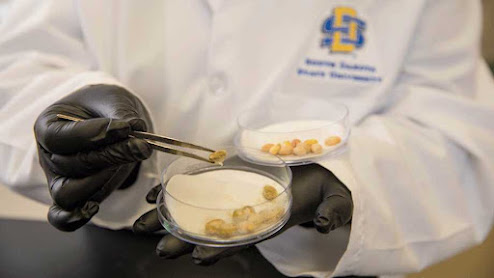
The sprouting soybeans, in front, have been inoculated with a pathogen to trigger production of glyceollins, which have antimicrobial properties. Scaling up these lab experiments at the POET Bioproducts Institute may lead to soybeans that are rich in glyceollins being integrated into animal feed to help prevent disease and reduce the need for antibiotics.

Antimicrobial compounds that soybean plants produce when threatened by insects, diseases and even drought may help animals stay healthy, thereby reducing the need for antibiotics.

“When a soybean is attacked by a pathogen, the plant produces phytochemicals called glyceollins as a defense mechanism,” explained assistant professor Bishnu Karki of South Dakota State University’s Department of Biology and Microbiology. Her research group has identified pathogens and lab-scale processes to trigger production of glyceollins and begun assessing soybean varieties to see which produce higher levels of the antimicrobial compounds.

“Animals, such as pigs and poultry, already consume diets high in soybeans and could benefit from the phytochemical’s antimicrobial properties,” Karki said, pointing out scientists are studying the impact of glyceollins on human health, specifically in relation to cancer, inflammation and cardiovascular diseases.

Karki’s research is supported by U.S. Department of Agriculture Hatch Act funding through the South Dakota Agricultural Experiment Station. Two master’s students and several undergraduates have also worked on the project.

Scientists Find SARS CoV-2-Related Coronaviruses in Cambodian Bats from 2010

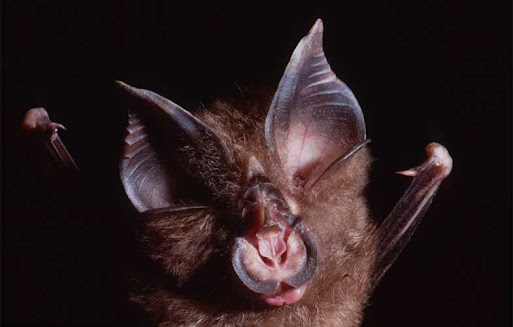
Rhinolophus shameli Credit: Ben Hayes 

A team of scientists have identified coronaviruses closely related to SARS-CoV-2 from two bats sampled in Cambodia more than a decade ago. The discovery described in the journal Nature Communications, along with the recent detection of the closest ancestors of SARS-CoV-2 known to date in cave-dwelling bats in Laos, indicates that SARS-CoV-2-related viruses that cause COVID-19 have a much wider geographic distribution than previously reported and further supports the hypothesis that the pandemic originated via spillover of a bat-borne virus.

Scientists used metagenomic sequencing to identify the nearly identical viruses in two Shamel’s horseshoe bats (Rhinolophus shameli) originally sampled in 2010. The finding suggests that SARS-CoV-2 related viruses likely circulate via multiple Rhinolophus species.

The authors state that the current understanding of the geographic distribution of the SARS-CoV and SARS-CoV-2 lineages possibly reflects a lack of sampling in Southeast Asia, or at least across the Greater Mekong Subregion, which encompasses Myanmar, Laos, Thailand, Cambodia and Vietnam, as well as the Yunnan and Guanxi provinces of China.

Two-meter COVID-19 rule is ‘arbitrary measurement’ of safety

Credit: University of Cambridge
A team of engineers from the University of Cambridge used computer modeling to quantify how droplets spread when people cough. They found that in the absence of masks, a person with COVID-19 can infect another person at a two-meter distance, even when outdoors.

The team also found that individual coughs vary widely, and that the ‘safe’ distance could have been set at anywhere between one to three or more meters, depending on the risk tolerance of a given public health authority.

The results, published in the journal Physics of Fluids, suggest that social distancing is not an effective mitigation measure on its own, and underline the continued importance of vaccination, ventilation and masks as we head into the winter months in the northern hemisphere.

Despite the focus on hand-washing and surface cleaning in the early days of the pandemic, it’s been clear for nearly two years that COVID-19 spreads through airborne transmission. Infected people can spread the virus through coughing, speaking or even breathing, when they expel larger droplets that eventually settle or smaller aerosols that may float in the air.

“I remember hearing lots about how COVID-19 was spreading via door handles in early 2020, and I thought to myself if that were the case, then the virus must leave an infected person and land on the surface or disperse in the air through fluid mechanical processes,” said Professor Epaminondas Mastorakos from Cambridge’s Department of Engineering, who led the research.

Global warming, not just drought, drives bark beetles to kill more ponderosa pines

Outbreaks of western pine beetles are decimating ponderosa pines
 in California’s Sierra Nevada and across the West.
Credit: Los Alamos National Laboratory 
In California’s Sierra Nevada, western pine beetle infestations amped up by global warming were found to kill 30% more ponderosa pine trees than the beetles do under drought alone. A new supercomputer modeling study hints at the grim prospect of future catastrophic tree die-offs and offers insights for mitigating the combined risk of wildfires and insect outbreaks.

“Forests represent a crucial buffer against warming climate and are often touted as an inexpensive mitigation strategy against climate change,” said Zachary Robbins, a researcher at Los Alamos National Laboratory, graduate student at North Carolina State University, and lead author of the paper on beetles and ponderosa pine tree die-offs. “Our research shows that warming shortens the time between beetle generations, supercharging beetle population growth. That can then spur catastrophic mortality in forest systems during drought in the Sierra Nevada and throughout the Western United States.”

In the recently published study in Global Change Biology, Robbins and his collaborators developed a new modeling framework to assess the risk western pine beetles, or bark beetles, pose in many forest ecosystems under climate change. If the effects of compromised tree defenses (15% to 20%) and increased bark beetle populations (20%) are additive, the team determined that 35% to 40% more ponderosa pines would die from beetle attacks for each degree Celsius of warming.

“Our study is the first to attribute a level of tree mortality to the direct effect of warming on bark beetles, using a model that captures both beetle reproduction and development rates and host stress,” Robbins said. “We found that even slight increases in the number of annual generations of bark beetles due to warming can significantly increase tree mortality during drought.”

Featured Article

What Is: Macrophage

A realistic scientific visualization of a macrophage, a crucial immune cell, actively engulfing bacteria with its extended pseudopods. The i...

Top Viewed Articles