.jpg) |
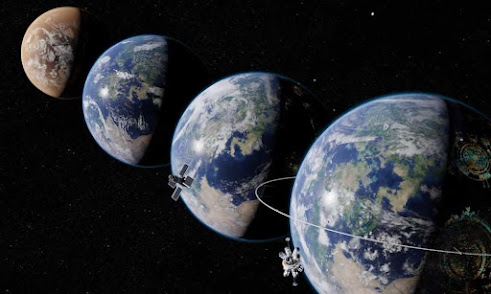
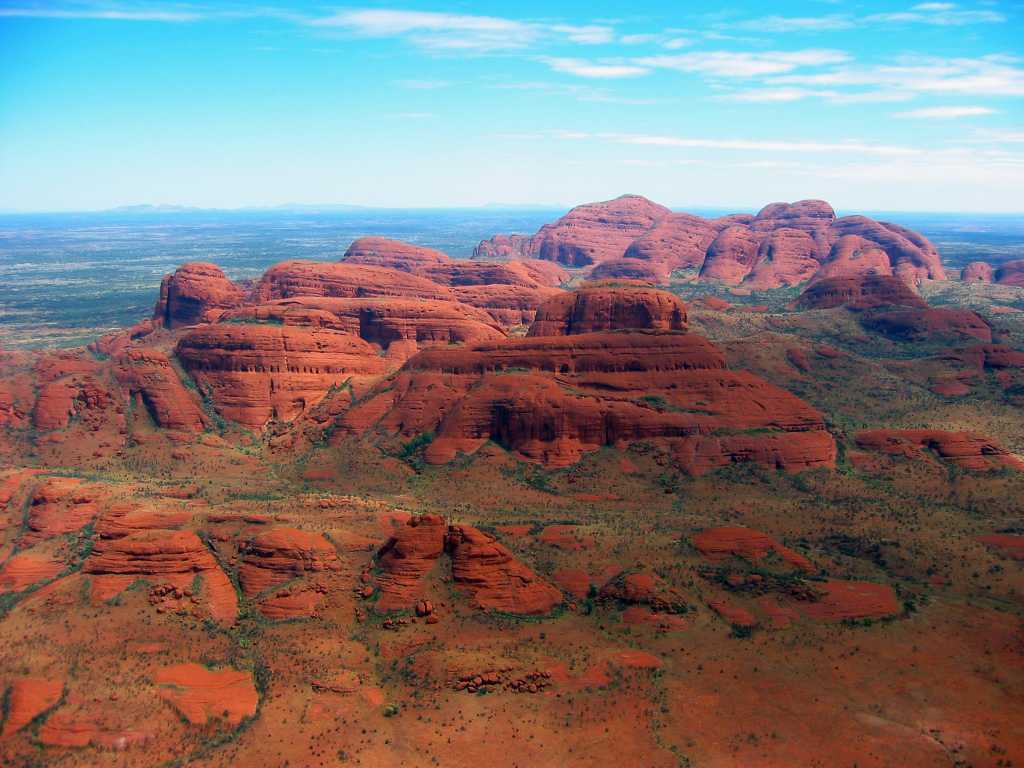
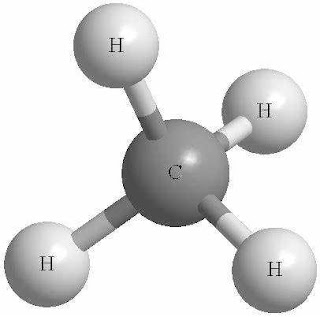
| A conceptual visualization of Earth's life-supporting envelope, illustrating the dynamic flow of energy and the intricate integration of living organisms with the planet's abiotic systems. Image Credit: Scientific Frontline |
Scientific Frontline: Extended "At a Glance" Summary: The Biosphere
The Core Concept: The biosphere is the comprehensive global ecological system integrating all living organisms and their complex relationships, including their continuous physical interactions with the planet's non-living elements. It serves as the biological connective tissue uniting Earth's major physical systems.
Key Distinction/Mechanism: Unlike the Earth's abiotic spheres (lithosphere, hydrosphere, atmosphere, and cryosphere), the biosphere is uniquely biotic. Mechanistically, it operates as a thermodynamically open system regarding energy (reliant on continuous solar input) but a largely closed system regarding matter, functioning through the relentless recycling of biogeochemical nutrients.
Major Frameworks/Components:
- The Noosphere: Vernadsky’s framework identifying the current evolutionary epoch in which human cognition, scientific thought, and anthropogenic activity act as dominant drivers of Earth's environmental change.
- Interacting Physical Systems: The continuous integration between the biosphere and the abiotic environment, driving processes such as nutrient extraction from the pedosphere and gas exchange with the atmosphere.
- Ecosystems and Biomes: The structural hierarchies organizing biotic communities and abiotic factors based on geographic scale, climatic drivers, and energy distribution.
- Thermodynamics and Energy Flow: The unidirectional transfer of solar energy through trophic levels, strictly limited by metabolic heat loss and defined by ecological constraints such as Lindeman's 10% Rule.
- Biogeochemical Cycles: The perpetual conservation and migration of essential matter (e.g., carbon, water, nitrogen) across biological and geological states.
- The Deep Subterranean Biosphere: Vast, high-pressure microbial ecosystems existing kilometers beneath the Earth's crust, functioning via chemolithoautotrophy entirely independent of solar energy.