. Scientific Frontline

Wednesday, January 5, 2022

First-responder cells after heart attack prompt inflammation overdrive

First-responder cells launching the repair after a heart attack are so frantic about fixing the damage that they promote more inflammation than necessary, new research in mice suggests.

Based on those findings, scientists are pursuing interventions that would bring more balance to the healing process after a heart attack.

In a series of studies, the researchers have identified the cellular events that lead to a call for reinforcements – an extra wave of the first responders – to the site of repair. This process leads to the release of proinflammatory proteins at a point when they aren’t needed, creating conditions that may threaten optimum healing of the heart.

The first-responder cells in question are neutrophils, the most abundant of all white blood cells whose job is to heal wounds and clear away infection. Researchers are exploring potential drugs or genetic techniques that could block the call for neutrophil backups or limit the release of proteins that drive up inflammation.

“We just want to prevent further damage that happens to the heart by toning down the neutrophil response,” said Prabhakara Nagareddy, associate professor of cardiac surgery in The Ohio State University College of Medicine. “The neutrophils are misguided and they overreact. How can we tame them? How can we bring that down?

“We started looking at the role of inflammation in scar formation to see if we could potentially alter that process.”

The most recent study on this work is published in the Jan. 4, 2022, issue of the journal Circulation.

Adding the Right Amount of Sediment to Salt Marshes Keeps Coastlines Afloat

Anna Puchkoff in the field conducting a study on sediment distribution in Connecticut wetlands.
Image Source: University of Connecticut

Adding just the right amount of sediment to the surface of a Connecticut salt marsh protects coastlines by promoting rapid plant growth, scientists from the University of Connecticut report in a new study published recently in Environmental Engineering.

Adding sediment on top of salt marshes helps them stay above sea level as it continues to rise. Anna Puchkoff and Beth Lawrence from UConn’s College of Agriculture, Health and Natural Resources conducted a study on how the addition of sediment could restore salt marshes in Connecticut. For her research, Puchkoff used sediment that was dredged from the Long Island Sound by the nearby Guilford Yacht Club.

“My goal was to also reduce project costs and replicate a real-life restoration scenario where in many cases, you have to work with what you’ve got or what the available resources at hand are,” says Puchkoff, who recently earned a master’s degree from the Department of Natural Resources and the Environment at UConn. “This was a core principle in my research, since using dredged material from marinas is common and disposal is costly.”

New test can identify if a patient has cancer and if it has spread

A University of Oxford study published in Clinical Cancer Research, a journal of the American Association for Cancer Research, outlines a new type of blood test that can be used to detect a range of cancers and whether these cancers have spread (metastasized) in the body.

The study analyzed samples from 300 patients with non-specific but concerning symptoms of cancer, such as fatigue and weight loss, who were recruited through the Oxfordshire Suspected CANcer (SCAN) pathway.

The researchers assessed whether the test could distinguish patients with a range of solid tumors from those without cancer. Their results show that cancer was correctly detected in 19 out of every 20 patients with cancer using this test. In those with cancer, metastatic disease was identified with an overall accuracy of 94%. These results make this the first technology to be able to determine the metastatic status of a cancer from a simple blood test, without prior knowledge of the primary cancer type.

This test shows promise to help clinicians detect cancer and assess cancer stage in the future. Unlike many blood-based tests for cancer, which detect genetic material from tumors, this test uses a technique called NMR metabolomics, which uses high magnetic fields and radio waves to profile levels of natural chemicals (metabolites) in the blood.

Healthy individuals, people with localized cancer, and people with metastatic cancer each have different profiles of blood metabolites, which can be detected and then analyzed by the researchers’ algorithms to distinguish between these states.

Tuesday, January 4, 2022

Mass die-off of Magellanic penguins seen during 2019 heat wave

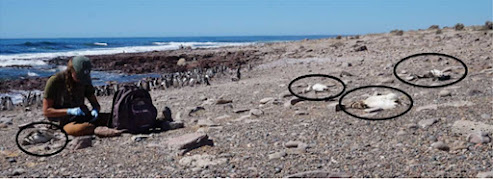
UW doctoral student Katie Holt examining adult Magellanic penguin corpses (circled) at Punta Tombo just after the Jan. 19, 2019 heat wave. Just over one-quarter of adult Magellanic penguin bodies were found between the colony and the ocean, indicating that they likely perished trying to get to the water.
Credit: Anna Sulc/University of Washington

In June 2021, an unprecedented heat wave hit the Pacific Northwest and Canada, killing an estimated 1,400 people. On June 28, Seattle reached 108 F — an all-time high — while the village of Lytton in British Columbia recorded Canada’s highest-ever temperature of 121.3 F on June 29, the day before it was destroyed by a heat-triggered wildfire.

Climate change is expected to bring more such extreme heat events globally, with far-reaching consequences not just for humans, but for wildlife and ecosystems.

In 2019, University of Washington researchers witnessed this in Argentina at one of the world’s largest breeding colonies for Magellanic penguins. On Jan. 19, temperatures at the site in Punta Tombo, on Argentina’s southern coast, spiked to 44 C, or 111.2 F, and that was in the shade. As the team reports in a paper published Jan. 4 in the journal Ornithological Applications, the extreme heat wave killed at least 354 penguins, based on a search for bodies by UW researchers in the days following the record high temperature.

Measurements of trees’ impact on 5G transmissions could prove vital to using a new class of signal.

NIST researchers studied the effects of trees on millimeter waves,
which are planned for use in 5G communication. 
Credit: N. Hanacek/NIST
As 5G technology gets fully implemented over the next several years, cellphones and other wireless tech will grow more powerful with increased data flow and lower latency. But along with these benefits comes a question: Will your next-generation cellphone be unable to see the forest for the trees?

That’s one way to describe the problem confronting cell network designers, who have to embrace both the benefits and shortcomings of a new class of signals that 5G will use: millimeter waves. Not only can these waves carry more information than conventional transmissions do, but they also usefully occupy a portion of the broadcast spectrum that communication technologies seldom use — a major concern in an age when broadcasters vie for portions of spectrum like prospectors staking out territory.

However, millimeter waves also have drawbacks, including their limited ability to penetrate obstacles. These obstacles include buildings, but also the trees that dot the landscape. Until recently little was known about how trees affected millimeter wave propagation. And just as few of us would want to imagine a landscape without greenery, few designers would be able to plan networks around it without such a crucial fundamental detail.

The National Institute of Standards and Technology (NIST) has set out to solve this problem by measuring trees’ effect on millimeter waves. The effort could make a profound difference in our next-generation devices’ ability to see the 5G antennae that may soon sprout.

The 5G era will feature wireless communication not only between people but also between devices connected to the Internet of Things. The increased demand for larger downloads by cell customers and lag-free network response by gamers has spurred the wireless industry to pursue speedier, more effective communication. Not only could our current devices and services work more effectively, but we could realize new ones: Autonomous vehicles will depend on such quick network response to function.

Resolving the black hole ‘fuzzball or wormhole’ debate

Black holes really are giant fuzzballs, a new study says.

The study attempts to put to rest the debate over Stephen Hawking’s famous information paradox, the problem created by Hawking’s conclusion that any data that enters a black hole can never leave. This conclusion accorded with the laws of thermodynamics, but opposed the fundamental laws of quantum mechanics.

“What we found from string theory is that all the mass of a black hole is not getting sucked in to the center,” said Samir Mathur, lead author of the study and professor of physics at The Ohio State University. “The black hole tries to squeeze things to a point, but then the particles get stretched into these strings, and the strings start to stretch and expand and it becomes this fuzzball that expands to fill up the entirety of the black hole.”

The study, published Dec. 28 in the Turkish Journal of Physics, found that string theory almost certainly holds the answer to Hawking’s paradox, as the paper’s authors had originally believed. The physicists proved theorems to show that the fuzzball theory remains the most likely solution for Hawking’s information paradox. The researchers have also published an essay showing how this work may resolve longstanding puzzles in cosmology; the essay appeared in December in the International Journal of Modern Physics.

Mathur published a study in 2004 that theorized black holes were similar to very large, very messy balls of yarn – “fuzzballs” that become larger and messier as new objects get sucked in.

Solving the disappearance of bears and lions with ancient DNA

Brown bears (or grizzly bears) mysteriously disappeared from some parts of North America for thousands of years prior to the last Ice Age and later reappeared, walking from Russia to Alaska across the Bering Land Bridge. Researchers suggest climate change could be the reason why.
Photo Credit: Vincent M.A. Janssen

An international team of researchers led by the University of Adelaide, suggest a change in climate is the likely cause of the mysterious disappearance of ancient lions and bears from parts of North America for a thousand years or more prior to the last Ice Age.

In a study in Molecular Ecology , the researchers sequenced DNA from fossils of cave lions and bears from North America and Eurasia to better understand the timing and drivers of their past movement between continents.

Co-author, Dr Kieren Mitchell from the University of Adelaide’s Australian Centre for Ancient DNA said, “There's a common perception that outside of mass extinctions or direct human interference, ecosystems tend to remain stable over thousands or even millions of years.

“As illustrated by our study of the fossil record, that's not necessarily the case.

“Previous research has shown that brown bears (or grizzly bears) disappeared from some parts of North America for thousands of years prior to the last Ice Age. They later reappeared, walking from Russia to Alaska across the Bering Land Bridge – possibly at the same time as people moved across the Bridge into North America too.

Honeydew contaminated with systemic insecticides threatens beneficial insects

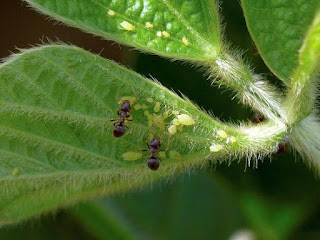
Ants tend to soybean aphids feeding on a soybean plant.
The ants will consume the sugary honeydew excreted by the aphids.
Credit: Ian Grettenberger
Neonicotinoids and other systemic insecticides can contaminate honeydew, which is an important food source for beneficial insects in agroecosystems, according to an international team of researchers.

John Tooker, professor of entomology in Penn State's College of Agricultural Sciences, was part of the multidisciplinary team that conducted a review of the scientific literature, concluding that systemic insecticides in honeydew are a serious concern, particularly in large-acreage crops that commonly are treated with these products.

Honeydew is the excretion product of sap-sucking insects such as aphids, mealybugs, whiteflies and psyllids, Tooker explained.

“This rich carbohydrate source is a common food for many beneficial insects, including pollinators, such as bees and flies, and some natural enemies of pests, such as ants, wasps and beetles,” he said. “Honeydew often is more abundant than nectar in agroecosystems.”

In their review, the researchers cited a 2019 study published in the Proceedings of the National Academy of Sciences by some of the co-authors, who found that honeydew represents a novel route of exposure to neonicotinoids, the most widely used group of systemic insecticides in the world. These insecticides often are applied in the form of seed coatings, and as a plant germinates and grows, the insecticide in its sap kills pest insects that feed on it.

As part of the 2019 study, the scientists conducted chemical analyses of honeydew excreted by insects feeding on sap from plants treated with neonicotinoids. They found clear evidence that this honeydew was contaminated and toxic to beneficial insects such as parasitic wasps and pollinating hoverflies, which died within a few days of consuming the contaminated honeydew.

How plants respond to heat stress

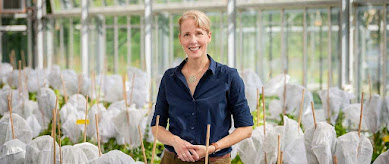
Prof. Brigitte Poppenberger and her team have elucidated the
molecular signaling pathway for heat resistance in plants.
Image: A. Heddergott / TUM
Plants, like other organisms, can be severely affected by heat stress. To increase their chances of survival, they activate the heat shock response, a molecular pathway also employed by human and animal cells for stress protection. Researchers from the Technical University of Munich (TUM) have now discovered that plant steroid hormones can promote this response in plants.

It may be hard to remember in winter, but July 2021 was the hottest month ever documented. In the USA, the mean temperature was higher than the average for July by 2,6 degrees Fahrenheit, and many southern European countries saw temperatures above 45 degrees Celsius including an all-time high temperature of 48,8 degrees Celsius recorded on the eastern coast of Sicily in Italy.

The past few decades have seen increased incidences of heat waves with record highs around the globe, and this is seen as a result of climate change. Heat waves have been occurring more frequently, have been hotter, and have been lasting longer with severe consequences not only for humans and animals but also for plants. “Heat stress can negatively affect plants in their natural habitats and destabilize ecosystems while also drastically reducing crop harvests, thereby threatening our food security,” says Brigitte Poppenberger, Professor for Biotechnology of Horticultural Crops.

Monday, January 3, 2022

Researchers reveal scale of prevalence of a condition that can cause type 2 diabetes and high blood pressure

Scientists at the University of Birmingham are calling for changes to healthcare policy following research which has shown for the first time the scale of the impact of a condition associated with benign tumors that can lead to type 2 diabetes and high blood pressure.

Up to 10 per cent of adults have a benign tumor, or lump, known as an ‘adrenal incidentaloma’ in their adrenals – glands situated on top of the kidneys which produce a variety of hormones. The lumps can be associated with the overproduction of hormones including the stress steroid hormone cortisol, which can lead to type 2 diabetes and high blood pressure. Previous small studies suggested that one in three adrenal incidentalomas produce excess cortisol, a condition called Mild Autonomous Cortisol Secretion (MACS).

Now, an international research team led by the University of Birmingham in the UK has carried out the largest ever prospective study of over 1,305 patients with adrenal incidentalomas to assess their risk of high blood pressure and type 2 diabetes and their cortisol production, comparing patients with and without MACS. The study is also the first to undertake a detailed analysis of the steroid hormone production in patients by analyzing cortisol and related hormones by mass spectrometry in 24-hour urine samples they collected.

Their study findings, published today in journal Annals of Internal Medicine, show that MACS is much more prevalent than previously reported: with almost every second patient in the study with an adrenal incidentaloma having MACS. Notably, 70% of patients with MACS were women and most of them were of postmenopausal age (aged over 50). Following their findings, the researchers now estimate that up to 1.3 million adults in the UK could have MACS. Considering that around two out of three of these patients are women, MACS is potentially a key contributor to women’s metabolic health, in particular in women after the menopause.

3D semiconductor particles offer 2D properties

When it comes to creating next-generation electronics, two-dimensional semiconductors have a big edge. They’re faster, more powerful and more efficient. They’re also incredibly difficult to fabricate.

Three-dimensional semiconductor particles have an edge, too – many of them – given their geometrically varied surfaces. Cornell researchers have discovered that the junctures at these facet edges have 2D properties, which can be leveraged for photoelectrochemical processes – in which light is used to drive chemical reactions – that can boost solar energy conversion technologies.

This research, led by Peng Chen, the Peter J.W. Debye Professor of Chemistry in the College of Arts and Sciences, could also benefit renewable energy technologies that reduce carbon dioxide, convert nitrogen into ammonia, and produce hydrogen peroxide.

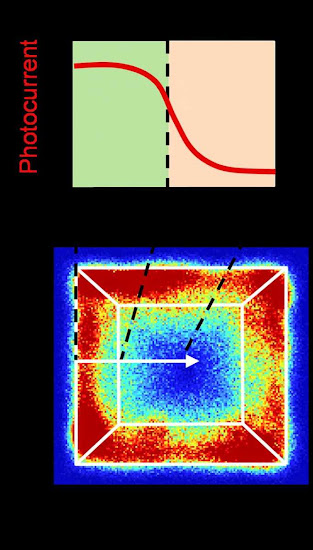
A high-resolution map of a photocatalyst particle shows the transition zones of reactivity and the corresponding spatial variation of photoelectrochemical performance across the inter-facet edge.

The group’s paper, “Inter-Facet Junction Effects on Particulate Photoelectrodes,” published in Nature Materials. The paper’s lead author is postdoctoral researcher Xianwen Mao.

For their study, the researchers focused on the semiconductor bismuth vanadate, particles of which can absorb light and then use that energy to oxidize water molecules – a clean way of generating hydrogen as well as oxygen.

The semiconductor particles themselves are anisotropically-shaped; that is, they have 3D surfaces, full of facets angled toward each other and meeting at edges on the particle surface. However, not all facets are equal. They can have different structures that, in turn, result in different energy levels and electronic properties.

T cells fit to tackle Omicron, suggests

A transmission electron micrograph of negative-stained SARS-CoV-2 Omicron variant virions,
false-colored.
Image: Dr Jason A. Roberts, Head of Electron Microscopy and Structural Virology at The Royal Melbourne Hospital's Victorian Infectious Diseases Reference Laboratory, Doherty Institute

Research from the University of Melbourne and Hong Kong University of Science and Technology (HKUST) has revealed T cells, one of the body’s key defenses against COVID-19, are expected to be effective in mounting an immune response against Omicron despite its significantly higher mutations compared to previous variants of concern.

T cells, generated both by vaccinations and COVID-19 infections, have been shown to be critical in limiting progression to severe disease by eliminating virus-infected cells and helping with other immune system functions.

Preliminary studies have reported that Omicron (fast becoming the most dominant circulating strain globally) can escape antibodies produced by vaccination or natural COVID-19 infection, raising concerns about the increased possibility of reinfection and breakthrough cases.

Published in Viruses, the team analyzed over 1,500 fragments of SARS-CoV-2’s viral proteins, called epitopes, that have been found to be recognized by T cells in recovered COVID-19 patients or after vaccination. The team’s findings suggest Omicron is unlikely to be able to evade T cells, adding to a growing body of evidence from research groups around the world who are also investigating T cell responses to COVID-19.

Secondary structures in DNA are associated with cancer

A new cancer study reports that DNA manifested as knot-like folds and third rungs between DNA’s two strands may drive cancer development and an important regulatory enzyme could be associated with the formation of these unusual structures.

Scientists from Northwestern Medicine and the La Jolla Institute for Immunology (LJI) have discovered that the loss of TET enzymes — a family of enzymes crucial for removing DNA methylation marks — is associated with B-cell lymphoma. Reduced activity of TET enzymes is common in many different cancers. Understanding the mechanisms behind cancer development upon loss of TET function may open the door for new drug treatment strategies to target multiple cancers.

The research was recently published in the journal Nature Immunology.

Previous research demonstrated specific mutations in cancer cells can result in loss of TET function in patients with blood cancers and solid cancers, causing delays in cell communication. Past studies have also identified genomic instabilities such as double-stranded breaks in the DNA code in cancer cells.

Before now, the two dangerous cell features had not been linked.

Strange, unusual structures appear in the DNA

Vipul Shukla, an assistant professor of cell and developmental biology at Northwestern University Feinberg School of Medicine, along with Anjana Rao, a professor in LJI Center for Cancer Immunotherapy, and Daniela Samaniego-Castruita, a University of California San Diego graduate student, hoped to explore one potential way TET deficiency and genomic instability may be connected.

Thursday, December 30, 2021

Elusive atmospheric molecule produced in a lab for the 1st time

Methanediol molecule
Credit: University of Hawaiʻi

The previously elusive methanediol molecule of importance to the organic, atmospheric science and astrochemistry communities has been synthetically produced for the first time by University of Hawaiʻi at Mānoa researchers. Their discovery and methods were published in Proceedings of the National Academy of Sciences on December 30.

Methanediol is also known as formaldehyde monohydrate or methylene glycol. With the chemical formula CH2(OH)2, it is the simplest geminal diol, a molecule which carries two hydroxyl groups (OH) at a single carbon atom. These organic molecules are suggested as key intermediates in the formation of aerosols and reactions in the ozone layer of the atmosphere.

The research team—consisting of Department of Chemistry Professor Ralf Kaiser, postdoctoral researchers Cheng Zhu, N. Fabian Kleimeier and Santosh Singh, and W.M. Keck Laboratory in Astrochemistry Assistant Director Andrew Turner—prepared methanediol via energetic processing of extremely low temperature ices and observed the molecule through a high-tech mass spectrometry tool exploiting tunable vacuum photoionization (the process in which an ion is formed from the interaction of a photon with an atom or molecule) in the W.M. Keck Laboratory in Astrochemistry. Electronic structure calculations by University of Mississippi Associate Professor Ryan Fortenberry confirmed the gas phase stability of this molecule and demonstrated a pathway via reaction of electronically excited oxygen atoms with methanol.

Leveraging Space to Advance Stem Cell Science and Medicine

Arun Sharma, PhD, leads a new research laboratory in the Cedars-Sinai Board of Governors Regenerative Medicine Institute, Smidt Heart Institute and Department of Biomedical Sciences.
Photo by Cedars-Sinai.

The secret to producing large batches of stem cells more efficiently may lie in the near-zero gravity conditions of space. Scientists at Cedars-Sinai have found that microgravity has the potential to contribute to life-saving advances on Earth by facilitating the rapid mass production of stem cells.

A new paper, led by Cedars Sinai and published in the peer-reviewed journal Stem Cell Reports, highlights key opportunities discussed during the 2020 Biomanufacturing in Space Symposium to expand the manufacture of stem cells in space.

Biomanufacturing—a type of stem cell production that uses biological materials such as microbes to produce substances and biomaterials suitable for use in preclinical, clinical, and therapeutic applications—can be more productive in microgravity conditions.

“We are finding that spaceflight and microgravity is a desirable place for biomanufacturing because it confers a number of very special properties to biological tissues and biological processes that can help mass produce cells or other products in a way that you wouldn’t be able to do on Earth,” said stem cell biologist Arun Sharma, PhD, research scientist and head of a new research laboratory in the Cedars-Sinai Board of Governors Regenerative Medicine Institute, Smidt Heart Institute and Department of Biomedical Sciences.

Featured Article

What Is: Macrophage

A realistic scientific visualization of a macrophage, a crucial immune cell, actively engulfing bacteria with its extended pseudopods. The i...

Top Viewed Articles