
.jpg) |
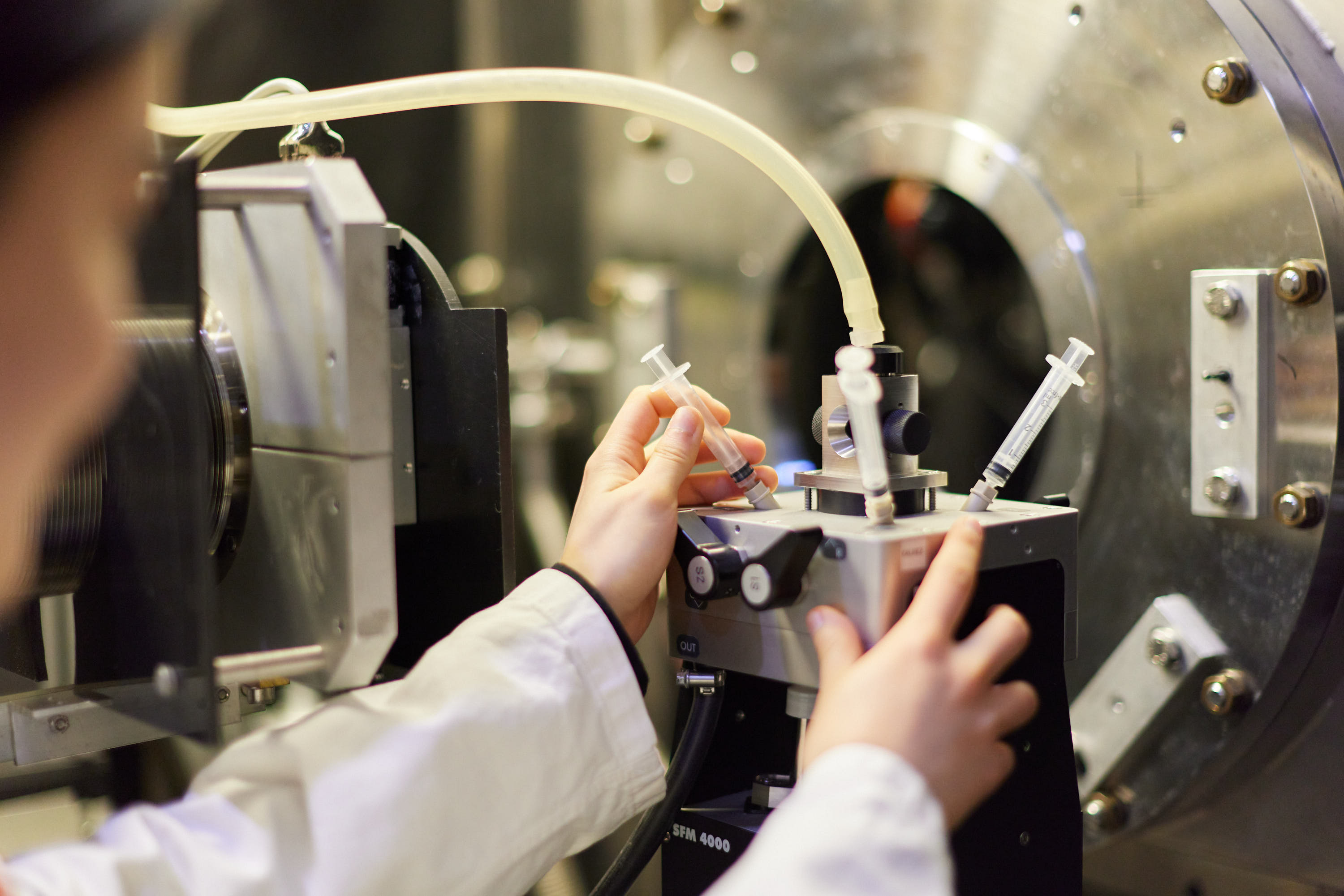
| UD post-doctoral researcher Amanda Rosier is lead author on two papers reporting on the behavior of UD1022, a UD-patented beneficial bacteria that can help protect alfalfa from fungal pathogens. Photo Credits: Evan Krape and courtesy of Amanda Rosie |
Scientific Frontline: Extended "At a Glance" Summary: UD1022 (Beneficial Bacteria)
The Core Concept: UD1022 is a unique, patented strain of Bacillus subtilis, a naturally occurring bacterium that colonizes the surface of plant roots to promote vigorous growth and trigger system-wide resistance against microscopic disease agents.
Key Distinction/Mechanism: While it acts as a highly effective, broad-spectrum antifungal by producing an antibiotic molecule called surfactin and forming protective biofilms, UD1022 exhibits a complex "dual nature." It can inadvertently harm plants by secreting molecules that interrupt the "quorum sensing" (chemical communication) of other beneficial, nitrogen-fixing bacteria like rhizobium, thereby preventing them from colonizing the roots.
Major Frameworks/Components:
- Surfactin Production: An antibiotic molecule synthesized by UD1022 that directly inhibits fungal pathogen growth.
- Biofilm Formation: Thick, sugary coatings produced by the bacteria that help them adhere to plants and suppress specific fungal species.
- Quorum Sensing Interference: The mechanism by which UD1022 silences the chemical signaling molecules of symbiotic bacteria, inhibiting root colonization and nitrogen fixation.
- Rhizosphere Dynamics: The complex, localized ecological interactions between plant roots, soil, and competing microbial communities.

.jpg)


.jpg)
.jpg)

.jpg)


.jpg)


.jpg)