. Scientific Frontline

Wednesday, November 23, 2022

Spin correlation between paired electrons demonstrated

Electrons leave a superconductor only as pairs with opposite spins. If both electron paths are blocked for the same type of spin by parallel spin filters, paired electrons from the superconductor are blocked and the currents decrease.
Image Credit: University of Basel, Department of Physics/Scixel

Physicists at the University of Basel have experimentally demonstrated for the first time that there is a negative correlation between the two spins of an entangled pair of electrons from a superconductor. For their study, the researchers used spin filters made of nanomagnets and quantum dots, as they report in the scientific journal Nature.

The entanglement between two particles is among those phenomena in quantum physics that are hard to reconcile with everyday experiences. If entangled, certain properties of the two particles are closely linked, even when far apart. Albert Einstein described entanglement as a “spooky action at a distance”. Research on entanglement between light particles (photons) was awarded this year's Nobel Prize in Physics.

Two electrons can be entangled as well – for example in their spins. In a superconductor, the electrons form so-called Cooper pairs responsible for the lossless electrical currents and in which the individual spins are entangled.

For several years, researchers at the Swiss Nanoscience Institute and the Department of Physics at the University of Basel have been able to extract electron pairs from a superconductor and spatially separate the two electrons. This is achieved by means of two quantum dots – nanoelectronic structures connected in parallel, each of which only allows single electrons to pass.

A Radical New Approach in Synthetic Chemistry

The Laser Electron Accelerator Facility (LEAF) generates intense high-energy electron pulses that allow scientists to add or subtract electrons from molecules to make chemically reactive species and monitor what happens as a reaction proceeds.
Full Size Original
Photo Credit: Courtesy of Brookhaven National Laboratory

Scientists at the U.S. Department of Energy’s (DOE) Brookhaven National Laboratory helped measure how unpaired electrons in atoms at one end of a molecule can drive chemical reactivity on the molecule’s opposite side. As described in a paper recently published in the Journal of the American Chemical Society, this work, done in collaboration with Princeton University, shows how molecules containing these so-called free radicals could be used in a whole new class of reactions.

“Most reactions involving free radicals take place at the site of the unpaired electron,” explained Brookhaven Lab chemist Matthew Bird, one of the co-corresponding authors on the paper. The Princeton team had become experts in using free radicals for a range of synthetic applications, such as polymer upcycling. But they’ve wondered whether free radicals might influence reactivity on other parts of the molecule as well, by pulling electrons away from those more distant locations.

“Our measurements show that these radicals can exert powerful ‘electron-withdrawing’ effects that make other parts of the molecule more reactive,” Bird said.

The Princeton team demonstrated how that long-distance pull can overcome energy barriers and bring together otherwise unreactive molecules, potentially leading to a new approach to organic molecule synthesis.

Genome studies uncover a new branch in fungal evolution

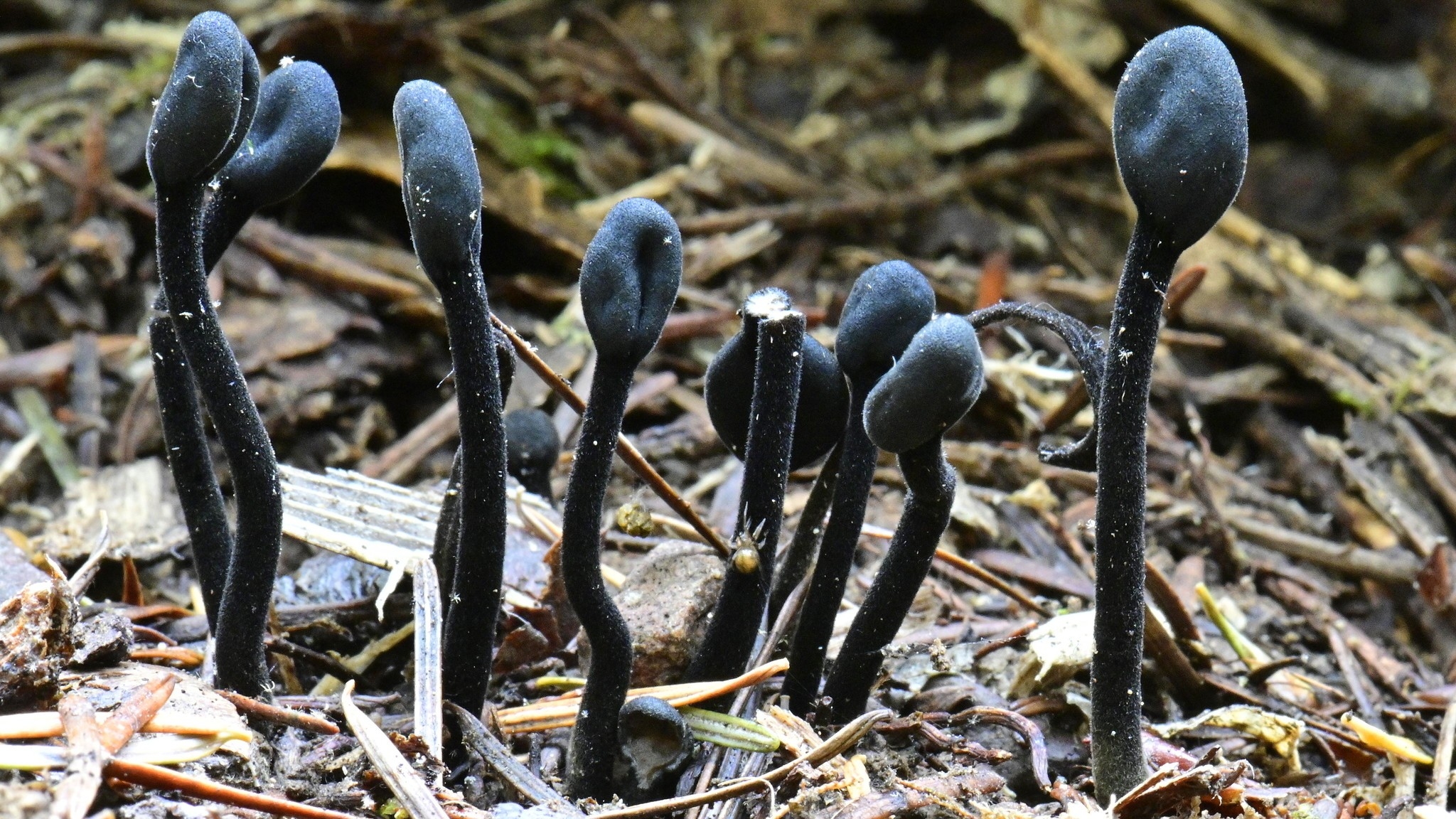
In a class of their own: The earth tongue is one of 600 “oddball” fungi that were found to share a common ancestor dating back 300 million years, according to U of A researchers.
Full Size Original
Photo Credit: Alan Rockefeller, CC-BY-SA-4.0

About 600 seemingly disparate fungi that never quite found a fit along the fungal family tree have been shown to have a common ancestor, according to a University of Alberta-led research team that used genome sequencing to give these peculiar creatures their own classification home.

“They don't have any particular feature that you can see with the naked eye where you can say they belong to the same group. But when you go to the genome, suddenly this emerges,” says Toby Spribille, principal investigator on the project and associate professor in the Department of Biological Sciences.

“I like to think of these as the platypus and echidna of the fungal world.”

Spribille, Canada Research Chair in Symbiosis, is referring to Australia’s famed Linnaean classification system-defying monotremes — which produce milk and have nipples, but lay eggs — that were the source of debate as to whether they were even real.

Major discovery about mammalian brains surprises researchers

Illustration shows vacuolar-type adenosine triphosphatases (V-ATPases, large blue structures) on a synaptic vesicle from a nerve cell in the mammalian brain.
Illustration Image: C. Kutzner, H. Grubmüller and R. Jahn/Max Planck Institute for Multidisciplinary Sciences.

Major discovery about mammalian brains surprises researchers, University of Copenhagen researchers have made an incredible discovery. Namely, a vital enzyme that enables brain signals is switching on/off at random, even taking hours-long “breaks from work”. These findings may have a major impact on our understanding of the brain and the development of pharmaceuticals. 

Millions of neurons are constantly messaging each other to shape thoughts and memories and let us move our bodies at will. When two neurons meet to exchange a message, neurotransmitters are transported from one neuron to another with the aid of a unique enzyme.

This process is crucial for neuronal communication and the survival of all complex organisms. Until now, researchers worldwide thought that these enzymes were active at all times to convey essential signals continuously. But this is far from the case.

Using a groundbreaking method, researchers from the University of Copenhagen’s Department of Chemistry have closely studied the enzyme and discovered that its activity is switching on and off at random intervals, which contradicts our previous understanding.

Machine learning gives nuanced view of Alzheimer’s stages


A Cornell-led collaboration used machine learning to pinpoint the most accurate means, and timelines, for anticipating the advancement of Alzheimer’s disease in people who are either cognitively normal or experiencing mild cognitive impairment.

The modeling showed that predicting the future decline into dementia for individuals with mild cognitive impairment is easier and more accurate than it is for cognitively normal, or asymptomatic, individuals. At the same time, the researchers found that the predictions for cognitively normal subjects are less accurate for longer time horizons, but for individuals with mild cognitive impairment, the opposite is true.

The modeling also demonstrated that magnetic resonance imaging (MRI) is a useful prognostic tool for people in both stages, whereas tools that track molecular biomarkers, such as positron emission tomography (PET) scans, are more useful for people experiencing mild cognitive impairment.

The team’s paper, “Machine Learning Based Multi-Modal Prediction of Future Decline Toward Alzheimer’s Disease: An Empirical Study,” published in PLOS ONE. The lead author is Batuhan Karaman, a doctoral student in the field of electrical and computer engineering.

Vitamin D fails to reduce statin-associated muscle pain

Study is the first placebo-controlled, randomized clinical trial to study this
Photo Credit: PublicDomainPictures

Patients who take statins to lower high cholesterol levels often complain of muscle pains, which can lead them to stop taking the highly effective medication and put them at greater risk of heart attack or stroke.

Some clinicians have recommended vitamin D supplements to ease the muscle aches of patients taking a statin, but a new study from scientists at Northwestern University, Harvard University and Stanford University shows the vitamin appears to have no substantial impact.

The study was published Nov. 23 in JAMA Cardiology.

Although non-randomized studies have reported vitamin D to be an effective treatment for statin-associated muscle symptoms, the new study, which is the first randomized clinical trial to look at the effect of vitamin D on statin-associated muscle symptoms, was large enough to rule out any important benefits.

In the randomized, double-blind trial, 2,083 participants ingested either 2,000 units of vitamin D supplements daily or a placebo. The study found participants in both categories were equally likely to develop muscle symptoms and discontinue statin therapy.

Human evolution wasn’t just the sheet music, but how it was played

The fluorescent glow of mouse brain cells on the right indicates the effectiveness of a human-derived gene enhancer, HAQER0059, versus a 6-million-year-old version of the enhancer at left.
Image Credit: Riley Mangan, Duke University

A team of Duke researchers has identified a group of human DNA sequences driving changes in brain development, digestion and immunity that seem to have evolved rapidly after our family line split from that of the chimpanzees, but before we split with the Neanderthals.

Our brains are bigger, and our guts are shorter than our ape peers.

“A lot of the traits that we think of as uniquely human, and human-specific, probably appear during that time period,” in the 7.5 million years since the split with the common ancestor we share with the chimpanzee, said Craig Lowe, Ph.D., an assistant professor of molecular genetics and microbiology in the Duke School of Medicine.

Specifically, the DNA sequences in question, which the researchers have dubbed Human Ancestor Quickly Evolved Regions (HAQERS), pronounced like hackers, regulate genes. They are the switches that tell nearby genes when to turn on and off. The findings appear Nov.23 in the journal Cell.

The rapid evolution of these regions of the genome seems to have served as a fine-tuning of regulatory control, Lowe said. More switches were added to the human operating system as sequences developed into regulatory regions, and they were more finely tuned to adapt to environmental or developmental cues. By and large, those changes were advantageous to our species.

Physicist Errando helps NASA solve black hole jet mystery

Illustration Credit: NASA courtesy of IXPE team

Some of the brightest objects in the sky are called blazars. They consist of a supermassive black hole feeding off material swirling around it in a disk, which can create two powerful jets perpendicular to the disk on each side. A blazar is especially bright because one of its powerful jets of high-speed particles points straight at Earth. For decades, scientists have wondered: How do particles in these jets get accelerated to such high energies?

NASA’s Imaging X-Ray Polarimetry Explorer, or IXPE, has helped astronomers get closer to an answer. In a new study in the journal Nature, authored by a large international collaboration, astronomers find that the best explanation for the particle acceleration is a shock wave within the jet.

Manel Errando, an assistant professor of physics in Arts & Sciences at Washington University in St. Louis, and a faculty fellow of the McDonnell Center for the Space Sciences, is part of the team that analyzed the IXPE data.

Young lives under pressure as global crises hits mental health and well-being

Photo Credit: Marco Torrazzina

The well-being and mental health of young people in low - and middle - income countries have been dramatically affected by the series of crises hitting the world.

As the international community continues to struggle with the impact of COVID-19, conflict and climate change, the latest report from the Young Lives project shows a long-running upward trend in young people’s well-being has been sharply reversed alongside widespread anxiety and depression. Young people are less confident about their futures for the first time in their 20-year study.

Before the pandemic, there had been a steady but notable upward trend in young people’s sense of well-being across all four countries in the Young Lives study - Peru, Vietnam, India and Ethiopia. But new data from the most recent survey, collected during the pandemic, shows young people reported a significant decline in well-being - and high levels of anxiety and depression.

New data shows young people reported a significant decline in well-being - and high levels of anxiety and depression...at a critical period in [young] lives - because long-term mental health issues often begin in adolescence and early adulthood

New study on morphine treatment in people with COPD and severe, long-term breathlessness

Magnus Ekström, researcher at Lund University and Chief Physician in Pulmonary Medicine at Blekinge Hospital in Karlskrona
Photo Credit: Curtsey of Lund University

Sometimes healthcare professionals treat patients with opioids such as morphine to relieve symptoms, but there has been a lack of evidence as to whether this helps with severe chronic breathlessness. A randomized Phase 3 study conducted by Swedish and Australian researchers now finds that morphine does not reduce worst breathlessness.

The study is published in JAMA.

Long term shortness of breath is a common cause of ongoing suffering that often occurs with advanced serious illness and at the end of life. COPD can cause breathlessness by damaging the lungs and airways and for seriously ill people with severe long-term breathlessness, physical activity is often a challenge.

"Many people live with shortness of breath. It is distressing that no better treatment exists, but based on the results we’ve seen, we cannot generally recommend giving morphine to people with chronic breathlessness", says Magnus Ekström, a researcher in Palliative Medicine and Pulmonary Medicine at Lund University in Sweden and Chief Physician in Pulmonary Medicine at Blekinge Hospital.

World’s oldest meal offers food for thought

Professor Jochen Brocks (left) and Dr Ilya Bobrovskiy
Photo Credit: ANU

The contents of the last meal consumed by the earliest animals known to inhabit Earth more than 550 million years ago has unearthed new clues about the physiology of our earliest animal ancestors, according to scientists from The Australian National University (ANU).

Ediacara biota are the world's oldest large organisms and were first discovered in the Ediacara Hills in South Australia's Flinders Ranges. They date back 575 million years.

ANU researchers found the animals ate bacteria and algae that was sourced from the ocean floor. The findings, published in Current Biology, reveal more about these strange creatures, including how they were able to consume and digest food.

The scientists analyzed ancient fossils containing preserved phytosterol molecules -- a type of fat found in plants -- that remained from the animals' last meal. By examining the molecular remains of what the animals ate, the researchers were able to confirm the slug-like organism, known as Kimberella, had a mouth and a gut and digested food the same way modern animals do. The researchers say it was likely one of the most advanced creatures of the Ediacarans.

Most young people’s well-being falls sharply in first years of secondary school


Most young people in the UK experience a sharp decline in their subjective well-being during their first years at secondary school, regardless of their circumstances or background, new research shows.

Academics from the Universities of Cambridge and Manchester analyzed the well-being and self-esteem of more than 11,000 young people from across the UK, using data collected when they were 11, and again when they were 14.

The adolescents’ overall ‘subjective well-being’ – their satisfaction with different aspects of life (such as friends, school and family) – dropped significantly during the intervening years.

It is widely accepted that young people’s well-being and mental health are influenced by factors such as economic circumstances and family life. The research shows that notwithstanding this, well-being tends to fall steeply and across the board during early adolescence.

That decline is probably linked to the transition to secondary school at age 11. The study identified that the particular aspects of well-being which changed in early adolescence were typically related to school and peer relationships, suggesting a close connection with shifts in these young people’s academic and social lives.

New Omicron subvariant BQ.1.1 resistant to all therapeutic antibodies

The Omicron subvariants BA.1, BA.4, BA.5 as well as Q.1.1 have a high number of mutations in the spike protein. Some of these mutations are escape mutations that allow the virus to escape neutralization by antibodies. In addition, resistance to biotechnologically produced antibodies, which are administered to high-risk patients as a preventive measure or as therapy for a diagnosed SARS-CoV-2 infection, is also developing. Omicron sub-lineage BQ.1.1 is the first variant resistant to all antibody therapies currently approved by the EMA (European Medicines Agency) and/or FDA (US Food and Drug Administration).
Figure Credit: Markus Hoffmann, German Primate Center – Leibniz Institute for Primate Research.

Are the currently approved antibody therapies used to treat individuals at increased risk for severe COVID-19 disease also effective against currently circulating viral variants? A recent study by researchers at the German Primate Center (DPZ) – Leibniz Institute for Primate Research and Friedrich-Alexander University Erlangen-Nürnberg shows that the Omicron sub-lineage BQ.1.1, currently on the rise worldwide, is resistant to all approved antibody therapies. published in the journal Lancet Infectious Diseases.

Tuesday, November 22, 2022

Alzheimer’s risk gene undermines insulation of brain’s “wiring”

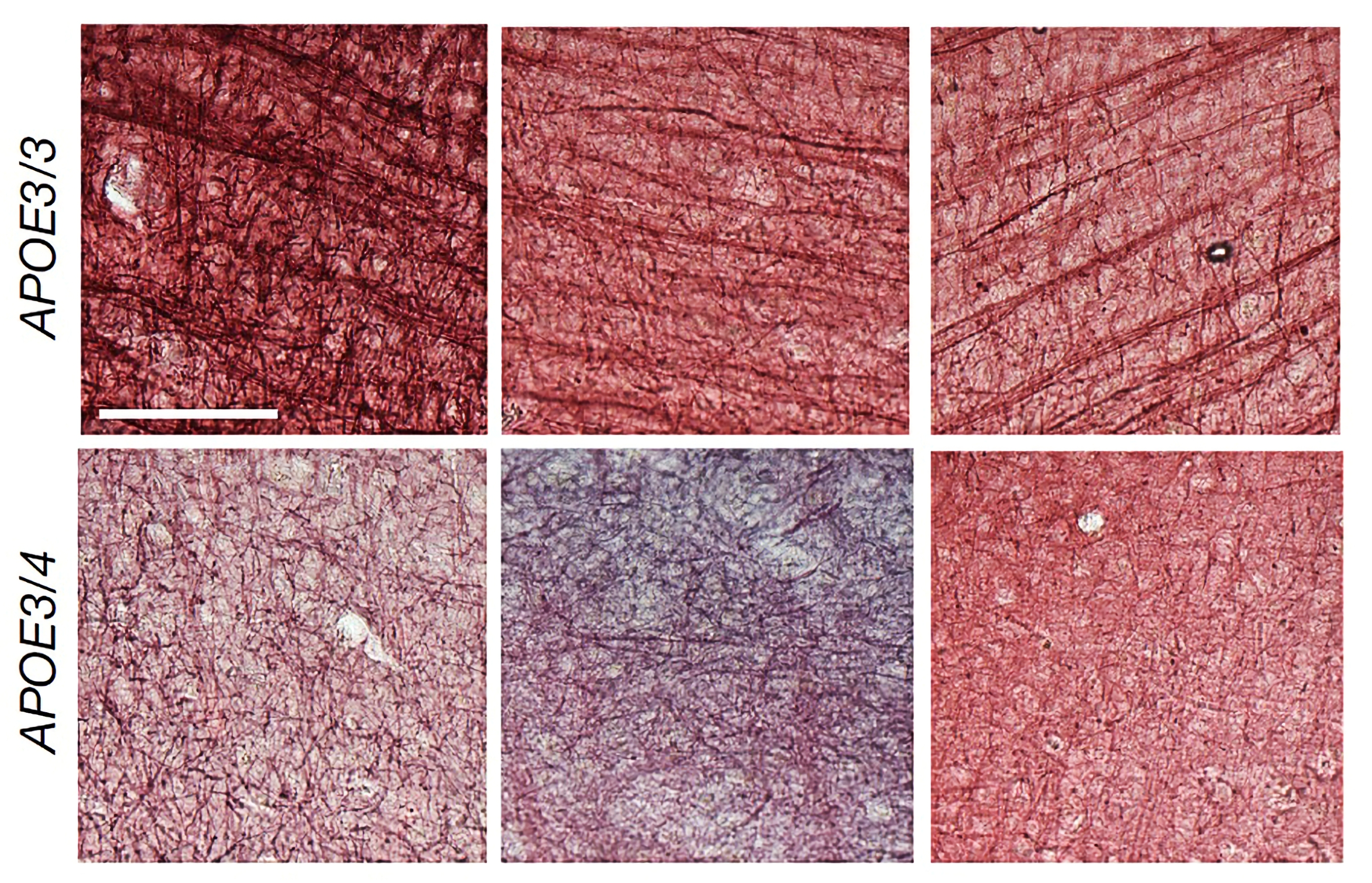
A new study shows how carrying the biggest genetic risk factor for Alzheimer's disease, the APOE4 gene variant, contributes to disease pathology. Here, black gold staining in postmortem brain tissue shows people with two copies of the APOE3 variant have much more myelin insulation of their neurons than people (bottom row) with a copy of APOE4.
Resized Image using AI by SFLORG
Image Credit: Tsai Lab/The Picower Institute

It’s well-known that carrying one copy of the APOE4 gene variant increases one’s risk for Alzheimer’s disease threefold and two copies about tenfold, but the fundamental reasons why, and what can be done to help patients, remain largely unknown. A study published by an MIT-based team in the journal Nature provides some new answers as part of a broader line of research that has demonstrated APOE4’s consequences, cell-type-by-cell-type, in the brain.

The new study combines evidence from postmortem human brains, lab-based human brain cell cultures, and Alzheimer’s model mice to show that when people have one or two copies of APOE4, rather than the more common and risk-neutral APOE3 version, cells called oligodendrocytes mismanage cholesterol, failing to transport the fat molecule to wrap the long vine-like axon “wiring” that neurons project to make brain circuit connections. Deficiency of this fatty insulation, called myelin, may be a significant contributor to the pathology and symptoms of Alzheimer’s disease because without proper myelination, communications among neurons are degraded.

Researchers use blockchain to increase electric grid resiliency

A team led by Raymond Borges Hink has developed a method using blockchain to protect communications between electronic devices in the electric grid, preventing cyberattacks and cascading blackouts.
Photo Credit: Genevieve Martin/ORNL, U.S. Dept. of Energy

Although blockchain is best known for securing digital currency payments, researchers at the Department of Energy’s Oak Ridge National Laboratory are using it to track a different kind of exchange: It’s the first time blockchain has ever been used to validate communication among devices on the electric grid.

The project is part of the ORNL-led Darknet initiative, funded by the DOE Office of Electricity, to secure the nation’s electricity infrastructure by shifting its communications to increasingly secure methods.

Cyber risks have increased with two-way communication between grid power electronics equipment and new edge devices ranging from solar panels to electric car chargers and intelligent home electronics. By providing a trust framework for communication among electrical devices, an ORNL research team led by Raymond Borges Hink is increasing the resilience of the electric grid. The team developed a framework to detect unusual activity, including data manipulation, spoofing and illicit changes to device settings. These activities could trigger cascading power outages as breakers are tripped by protection devices.

Featured Article

What Is: Abyssopelagic Zone

A master of abyssopelagic survival, the anglerfish overcomes absolute darkness and sparse food supplies with a specialized, light-producing ...

Top Viewed Articles